Yeon-Jeong Kim: reading memory changes before they become a problem
A neurologist who came from Asan Medical Center, she leads dementia care at Kwangdong, from early testing to lecanemab treatment and rehabilitation.
2 min read
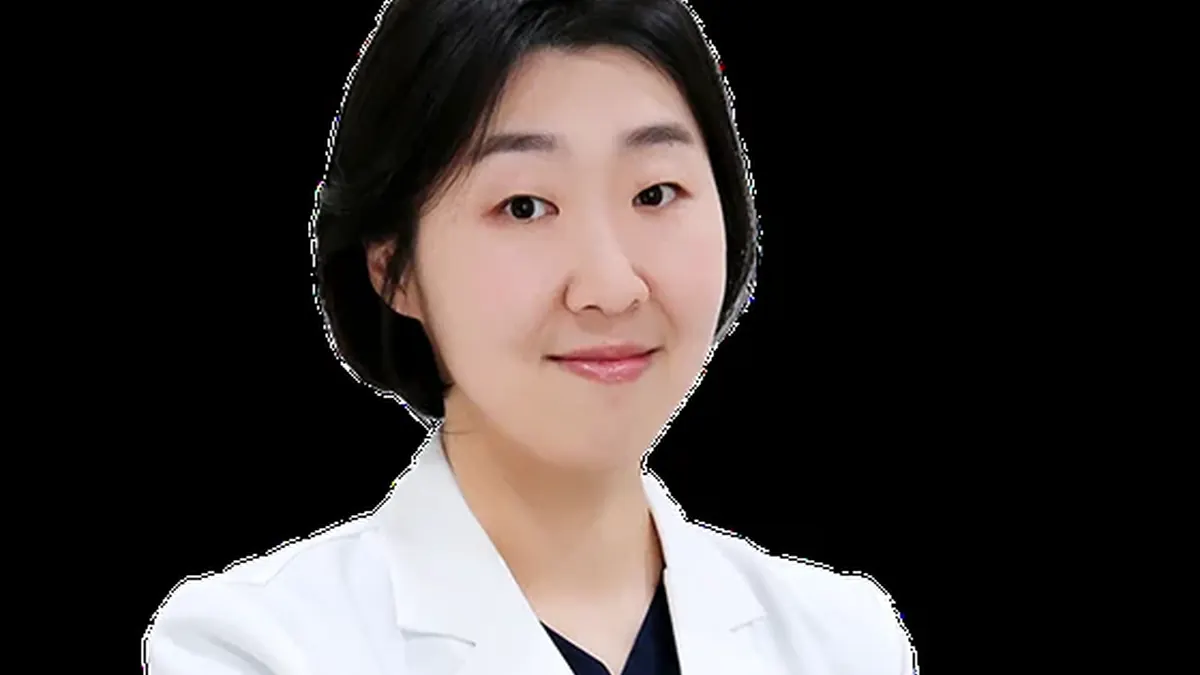
Dr. Yeon-Jeong Kim is a neurologist and was a neurology professor at Asan Medical Center in Seoul. At Kwangdong she sees memory disorders, headache, tremor and Parkinson's disease, dizziness, stroke and facial nerve problems on 3F.
Her focus is the stage before dementia is obvious. Families usually notice small things first: the same question asked twice, a mistake in a task that used to be easy. People put it down to stress or tiredness. She would rather check.
Awareness of early-onset dementia is still low, but dementia is a condition that can be managed in advance through prevention and diagnosis, and a range of treatments is now available.
Yeon-Jeong Kim, neurologist, speaking to Sports Kyunghyang
From the first test to the next step
A visit starts with a neurological exam and cognitive testing, with blood tests and brain MRI added when needed. If Alzheimer's disease is suspected, amyloid PET or spinal fluid tests can confirm the cause. When the criteria are met, treatment can include lecanemab, the anti-amyloid drug, alongside TMS and digital cognitive rehabilitation.
Because Korean medicine is in the same building, patients who want it can add care on 6F without starting over with a new chart.
In the video, the first of a three-part series, she talks through when lecanemab makes sense and when it does not.
Video in Korean. Turn on YouTube captions and auto-translate for English.