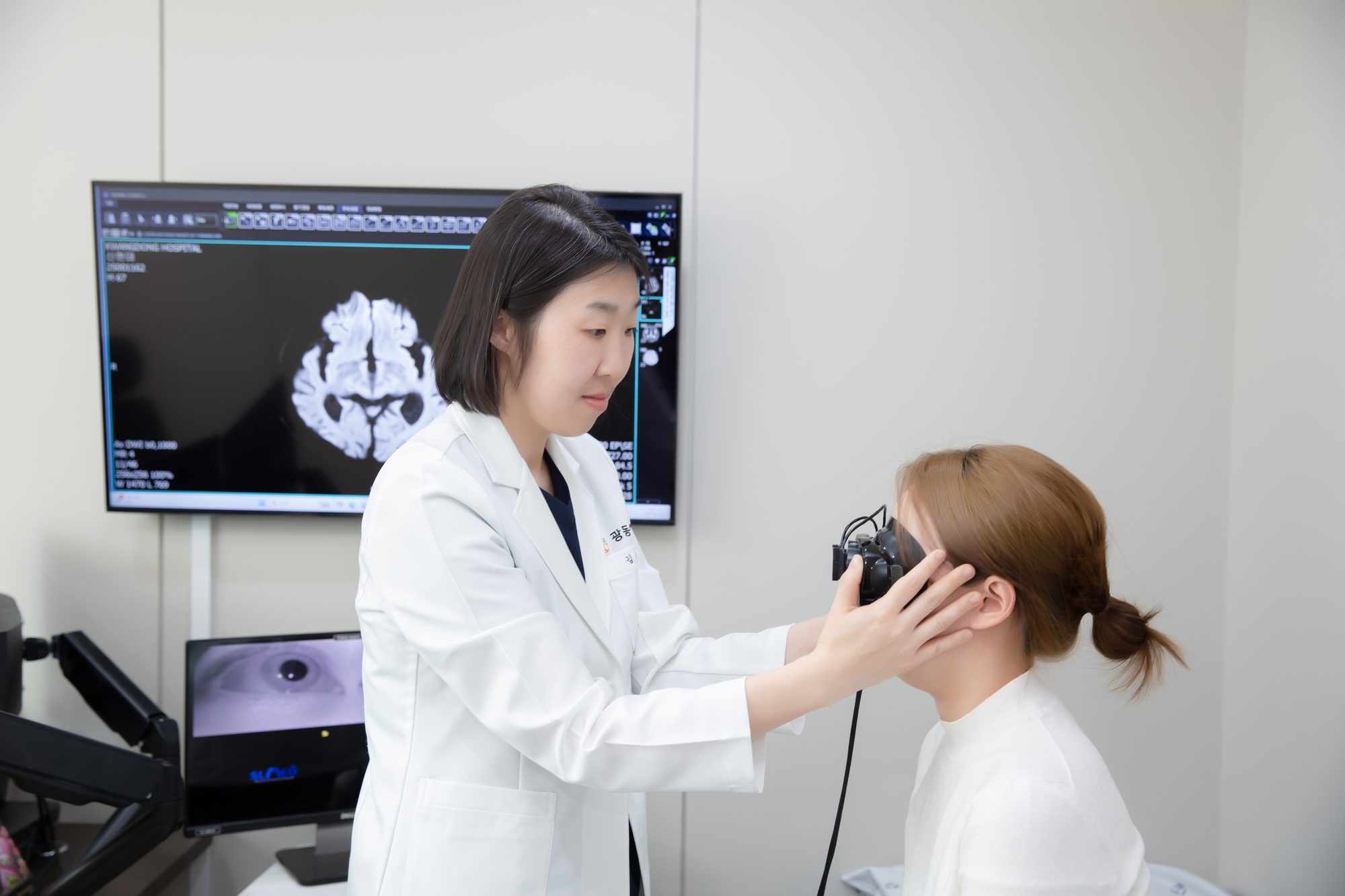
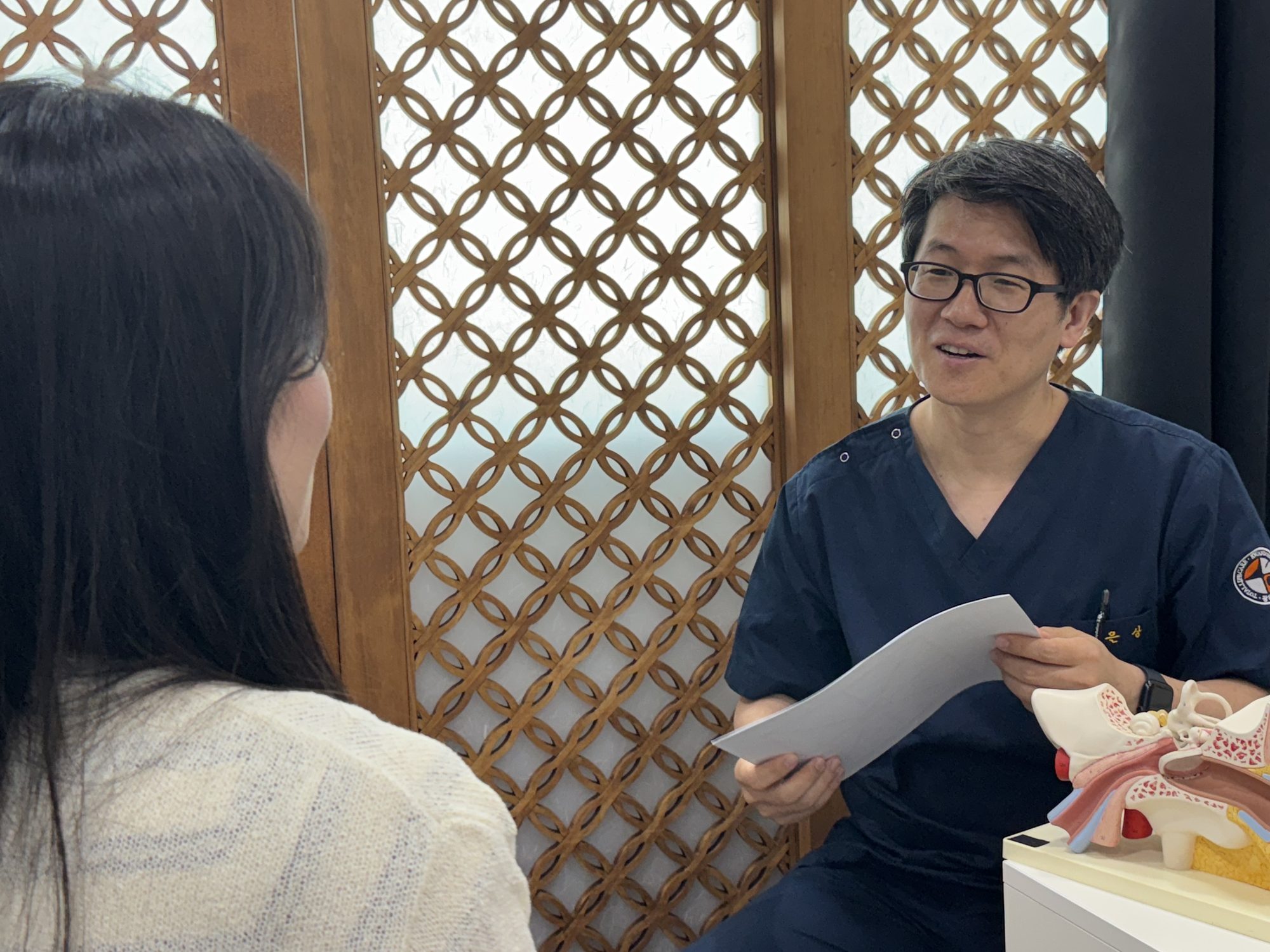
My asthma test was normal, so why am I still coughing?
An asthma test can be normal while you are still coughing: spirometry captures one day, asthma varies over time, and a cough beyond three weeks can also come from the nose, reflux or allergy.
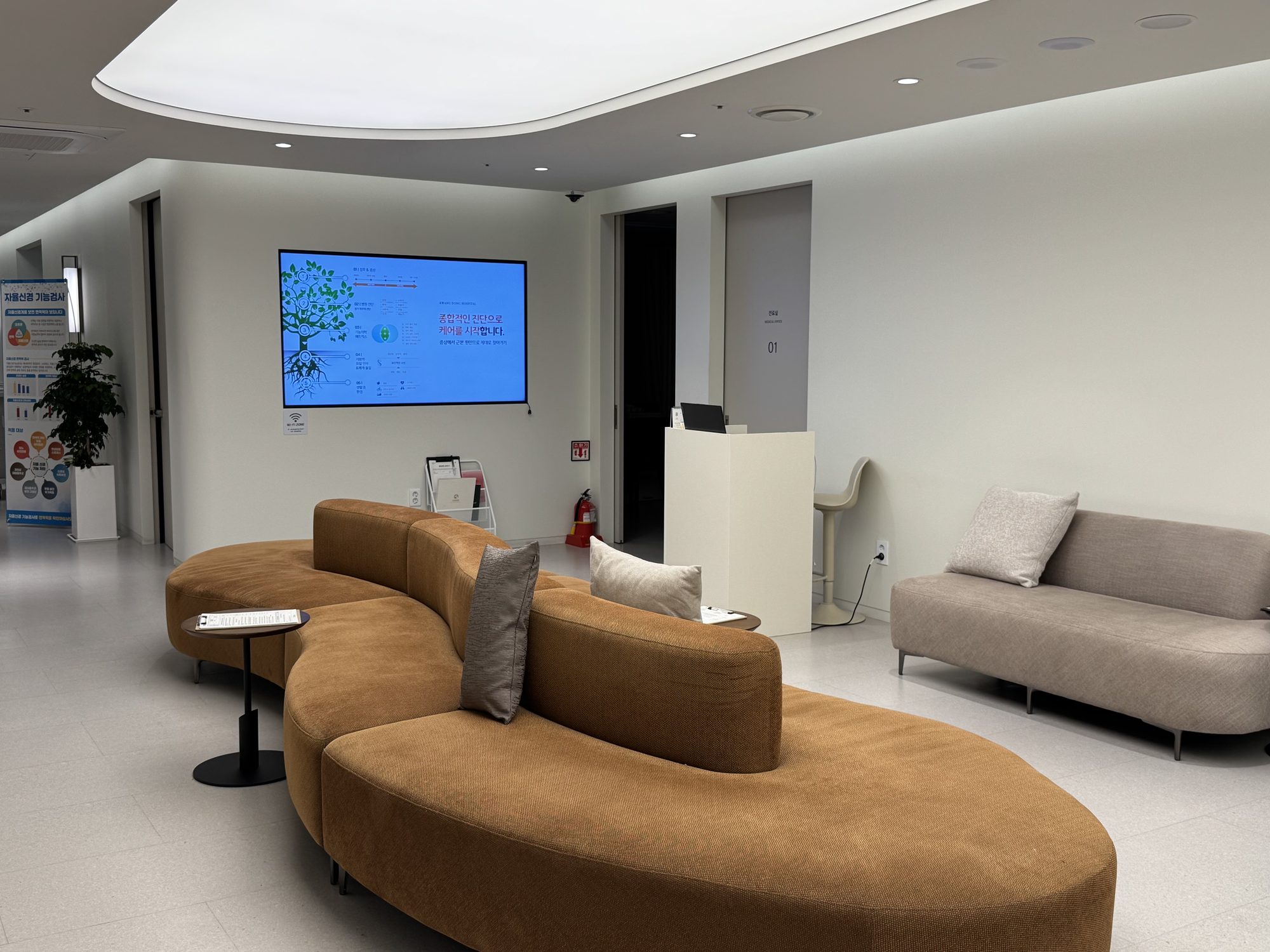
To the reader who has a report in one hand that says your breathing test was normal, and a cough that has not read it:
You are not imagining the mismatch, and the doctor who wrote that report was probably not wrong either. An asthma test that comes back normal while you are still coughing usually means one of three things: the test caught your airways on a quiet day, the cough comes from somewhere other than the airways, or the question that test answers was different from the one you are asking.
This letter walks through how to read your report, what it leaves open, and what a second set of tests would actually add.
Your report answers one question at a time
A breathing test result is a snapshot of one function on one morning. The U.S. National Heart, Lung, and Blood Institute describes spirometry as a test that "measures how much air you breathe out and how fast". That is a measurement of airflow, taken while you sit in a chair and blow.
Asthma, by nature, moves. The NHS says it plainly: asthma "can take some time to diagnose because the symptoms often vary over time", and its symptoms "usually come and go". So a normal spirometry on a Tuesday afternoon tells you your airflow was normal on that Tuesday afternoon. It does not, on its own, say what happens at 4 a.m. when the cough wakes you.
That is why a good report is worth reading line by line before anyone repeats anything.
What does a normal asthma test actually rule out?
A normal spirometry makes fixed, ongoing airflow narrowing at the time of the test less likely. It does not rule out airways that narrow only now and then, a cough driven by the nose or the stomach, or an allergy that has never been tested.
Look at your own paper and check which of these it contains:
| On your report? | What it measures | What it leaves open |
|---|---|---|
| Spirometry | How much air you breathe out and how fast | Narrowing that comes and goes |
| Challenge test (bronchial provocation) | How sensitive your airways are | Which allergen, if any, is involved |
| FeNO | Nitric oxide in your breath | Causes outside the airways |
| Allergy skin prick or blood test | Which allergens your body reacts to | How your lungs are working |
| Peak flow diary over weeks | How your airflow changes day to day | Whether allergy is part of it |
NHLBI lists each of these as separate tools: challenge tests "assess how sensitive your airways are", FeNO tests "measure how much nitric oxide is in your breath", and allergy tests "can find which allergens, such as pet dander or pollen," cause a reaction. Many people discover their report holds only the first row.
Three reasons two careful doctors can read the same cough differently
None of these involves anyone making a mistake.
The tests were different. One clinic ran spirometry alone; another adds allergen and immune markers. Each conclusion fits the data it had.
The timing was different. A cough that flares with each change of season can look quiet in the month between. A second test in a different season may simply catch a different day.
The question was different. Your first visit may have been about whether you had asthma. Your real question might be why the cough keeps coming back. Those need different tests.
If your report already includes airway sensitivity testing, allergy testing and a period of treatment, the original reading is likely to stand. A second opinion can still help you understand it, but it may well say the same thing.
How long should a cough last before a second look makes sense?
Three weeks is the benchmark the Asthma & Allergy Center at Kwangdong Hospital uses. A cough from a cold usually settles within two weeks, its FAQ explains.
Beyond three weeks, other causes such as asthma, postnasal drip from allergic rhinitis and gastroesophageal reflux need to be checked. The NHS uses the same three-week line for a "persistent cough" and lists heartburn, allergies such as hay fever, and mucus dripping down the throat from the back of the nose among the common causes.
The center's own checklist adds a few patterns worth noting beside your report:
- the cough gets much worse at night or early in the morning
- the same symptoms return with every change of season
- you feel short of breath or your chest feels tight
- itchy skin or hives come with it
- cold medicine helps only for a while
If two or three of these fit, the cough is worth investigating as more than a leftover cold, whatever the first test showed.
"When a cough lasts a long time, we check whether there is a cause other than a cold." Hospital Director Sang-Heon Cho, on the Asthma & Allergy Center page.
What would be measured again, and what would not
A second look does not mean repeating everything. The published order at the Asthma & Allergy Center on 2F is history and exam, detailed tests, reading the cause, treatment, then maintenance.
Allergens are identified with skin prick tests and blood tests, and the airways are assessed separately with lung function tests, so a result for one does not stand in for the other.
The center states that it listens to symptoms first and selects only the items your symptoms call for. In practice that means the report you already have shapes the visit: if you bring a recent spirometry, the conversation starts from what it left open, such as allergen testing or immune markers, not from zero.
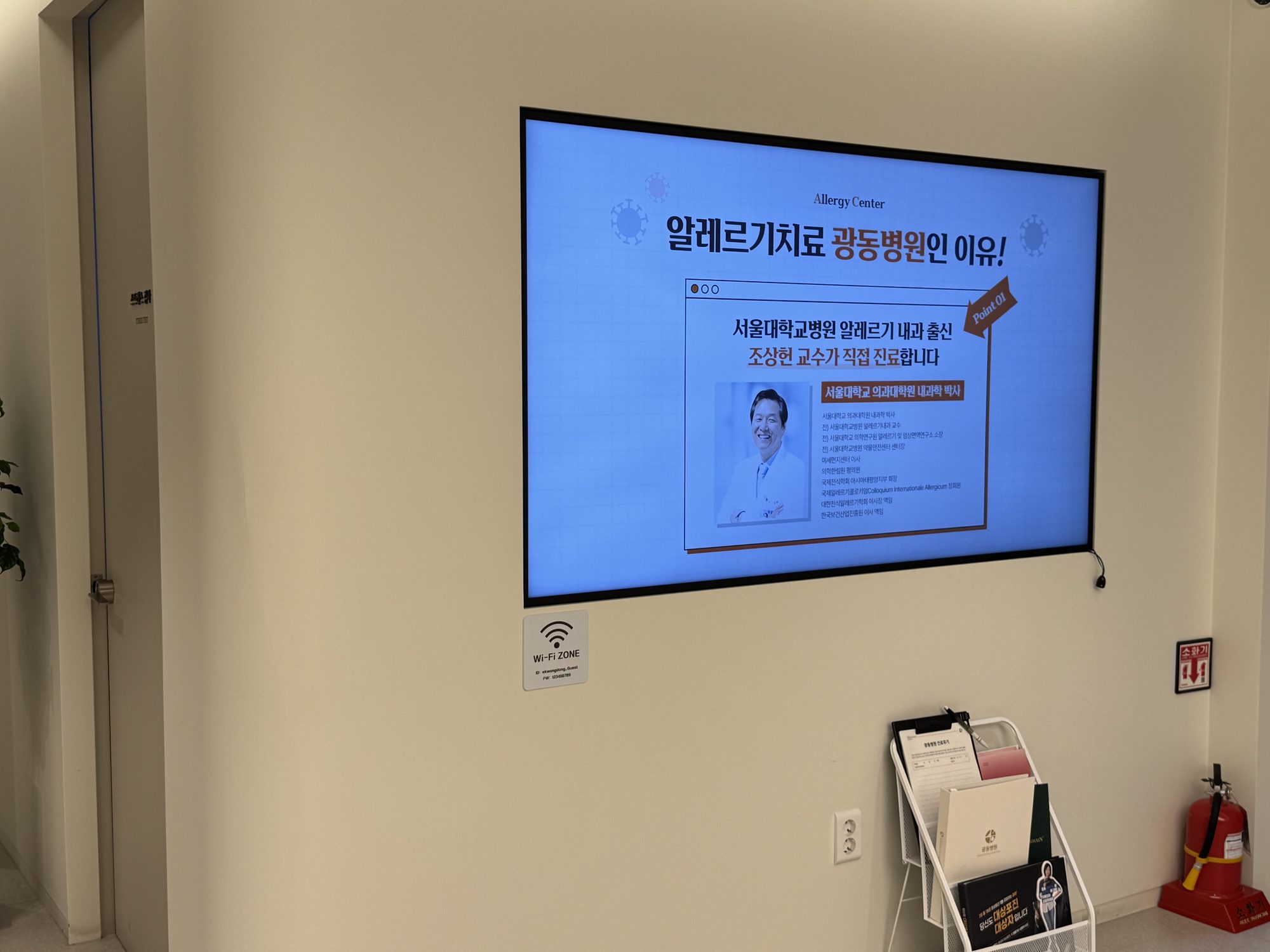
The center is led by Hospital Director Sang-Heon Cho, Former Professor of Allergy at Seoul National University Hospital, Former Director of the Seoul National University Hospital Gangnam Center and Former Chairman of the Korean Academy of Asthma, Allergy and Clinical Immunology. Its clinics cover cough-variant asthma, exercise-induced asthma, allergic rhinitis, chronic urticaria, chronic cough and COPD, which matters when the cough turns out to belong to the nose or the skin as much as the chest.
Risks of testing, and when a second opinion is the wrong step
Some situations should not wait for a trip. The NHS advises urgent help if you are coughing up blood, find it hard to breathe, or have chest pain.
The same goes for a cough that is getting worse quickly while you feel very unwell. The NHS also advises seeing a doctor if you are losing weight for no obvious reason. Go to your local doctor or emergency service for these, today.
Tests have their own downsides, and they are worth knowing before you book:
- Challenge tests work by deliberately provoking the airways, so they can bring on coughing or chest tightness for a short time. They are done under supervision for that reason, and they are not suitable for everyone.
- Skin prick tests usually leave itchy bumps for a while. Some medicines, such as antihistamines, can blur the result, so ask before stopping anything and never stop an inhaler on your own.
- Allergy immunotherapy, if it is ever suggested, is a commitment. The center's FAQ states that when the causative allergen is clear, it runs over 3 to 5 years, and that the duration and the likelihood of response are explained before starting. Allergic reactions to the treatment itself are possible, which is one reason it is not offered without a clear cause.
And the honest limit: a second opinion may confirm the first one. That is a useful answer too. It means you can stop searching for a hidden diagnosis and focus on control.
What should you bring from home?
Bring paper, not memory. The most useful items are the full spirometry printout with the graphs, any allergy test results with the allergen names, a list of every inhaler and tablet you have tried with the dates, and a few lines on when the cough is worst. If you have kept a peak flow diary, bring that too.
Keep using whatever your home doctor prescribed until someone has seen you in person. Changing treatment before a test is a decision for the doctor who orders the test.
Planning the visit from abroad
Kwangdong Hospital is at 612 Bongeunsa-ro in Gangnam, one minute from Bongeunsa Station, Exit 5, near COEX. It is open weekdays from 09:00 to 17:30 and Saturdays from 09:00 to 13:30, and closed on Sundays and public holidays. Coordinators who speak English are on site, along with Japanese, Russian, Chinese and Mongolian.
If reduced immunity turns out to be part of the picture, the Korean Medicine Center on 6F of the same building can be added to the plan, so you do not change hospitals to follow it up. You can read more on the Asthma & Allergy Center page, check opening hours and directions, or browse other posts in asthma and allergy.
If you have that report on your desk right now, take a photo of it and send it on WhatsApp with one line about how long the cough has lasted and when it is worst. It lets the team see which tests you already have before you plan any travel.
Frequently asked questions
Can you have asthma with normal spirometry?
It is possible. Asthma symptoms usually come and go, so a breathing test done on a good day can look normal. Other tests, such as challenge tests or a peak flow diary over several weeks, look at how the airways behave over time.
Is a cough that lasts more than three weeks always asthma?
No. A cough beyond three weeks can also come from postnasal drip due to allergic rhinitis, acid reflux, smoking or a lingering infection. Telling these apart is the point of testing before treating.
Do I need to stop my inhaler before allergy or breathing tests?
Do not stop any medicine on your own. Some medicines, especially antihistamines, can affect test results, so ask the clinic that will run the test which ones to pause and for how long.
Will a second opinion just repeat the tests I already had?
Not necessarily. At Kwangdong Hospital the Asthma & Allergy Center selects test items based on your symptoms, so a recent report helps decide what is still missing rather than starting from zero.
How long does allergy immunotherapy take?
According to Kwangdong Hospital's Asthma & Allergy Center, immunotherapy runs over 3 to 5 years when the causative allergen is clear. The duration and the likelihood of response are explained before starting.
Sources
- Asthma: Diagnosis · National Heart, Lung, and Blood Institute (NIH)
- Asthma: Diagnosis · NHS (UK)
- Cough · NHS (UK)
Written with AI assistance from Kwangdong Hospital's published center information and the medical sources listed. Not yet reviewed by a physician.