Injections calm it, exercise rebuilds it: choosing non-surgical treatment for chronic back pain
Non-surgical treatment for chronic back pain usually starts with exercise-based rehabilitation, adding injections, regenerative or manual treatment for specific causes, depending on where the pain goes.
Picture three people with the same MRI phrase on their report, "L4-5 disc bulge". One sits ten hours a day and hurts most by mid-afternoon. One has a leg that tingles down to the calf. One has had the same ache for two years and has stopped trusting any treatment. Non-surgical treatment for chronic back pain is not one thing, and these three would usually start in different places. Here is the short map before the long one.
| Your situation | Where non-surgical care usually starts | What tends to decide it |
|---|---|---|
| Same spot, more than three months, scans "not serious" | Structured exercise rehabilitation, with regenerative or manual treatment alongside | Strength, movement pattern, posture, sleep |
| Pain or tingling running down one leg | Assessment of the nerve, sometimes a targeted injection, then exercise | Exam findings, MRI, leg strength |
| Worse when sitting, better when moving | Posture and movement retraining, desk-day changes | How you move, not only what the scan shows |
| Told you need surgery, not sure | A second look at the cause before deciding | Whether symptoms match the imaging, and any nerve deficit |
| Weakness, numbness or bladder changes that are getting worse | Prompt medical review, possibly surgical referral | Neurological findings, not preference |
Find your row, then read the section that belongs to it. The rows overlap, and most people sit in two.
Why does the same back pain lead to different treatments?
Because the label on the scan rarely tells you why it hurts. The World Health Organization notes that low back pain is non-specific in about 90% of cases, meaning no single structure can be blamed with confidence.
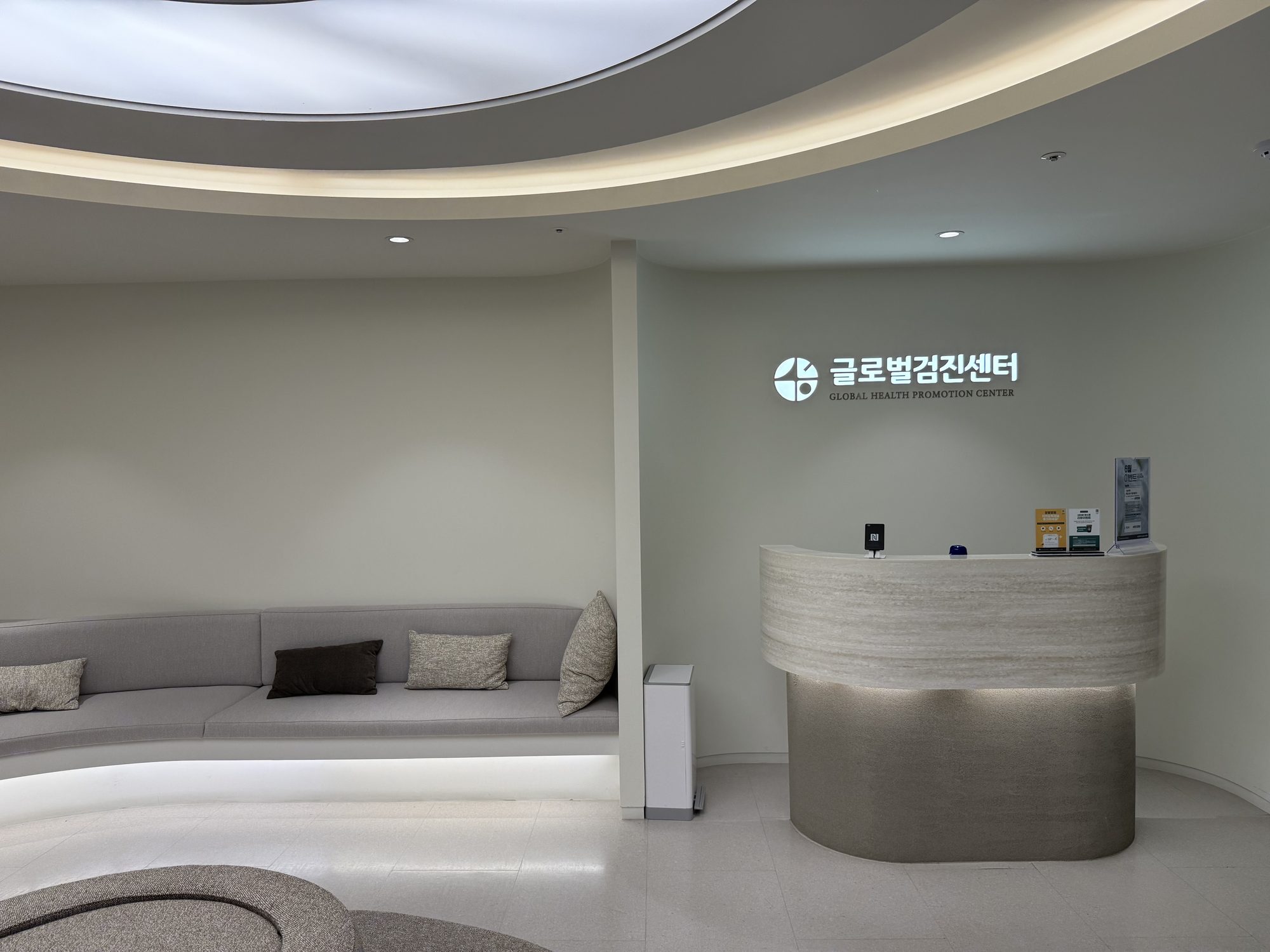
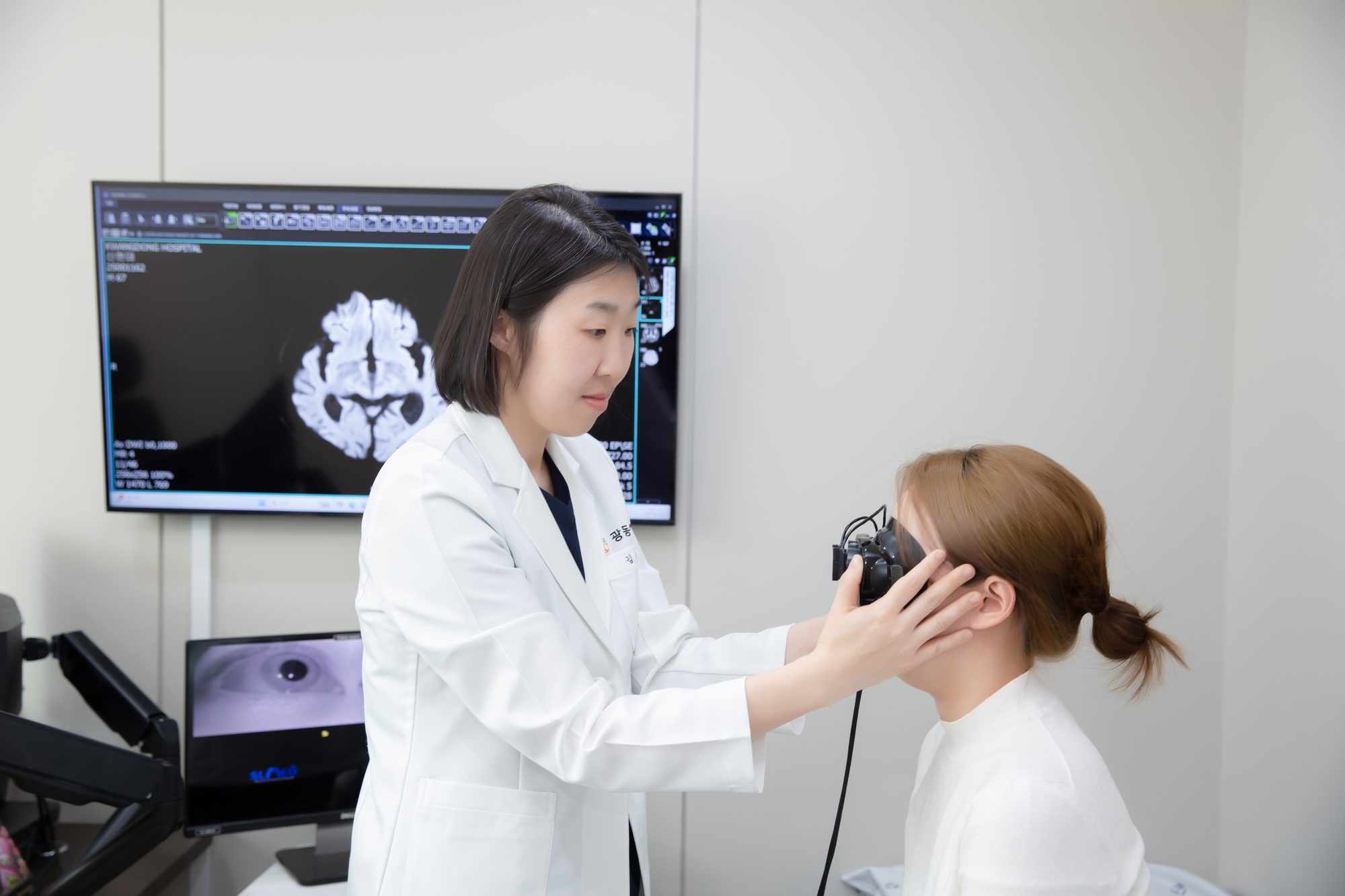
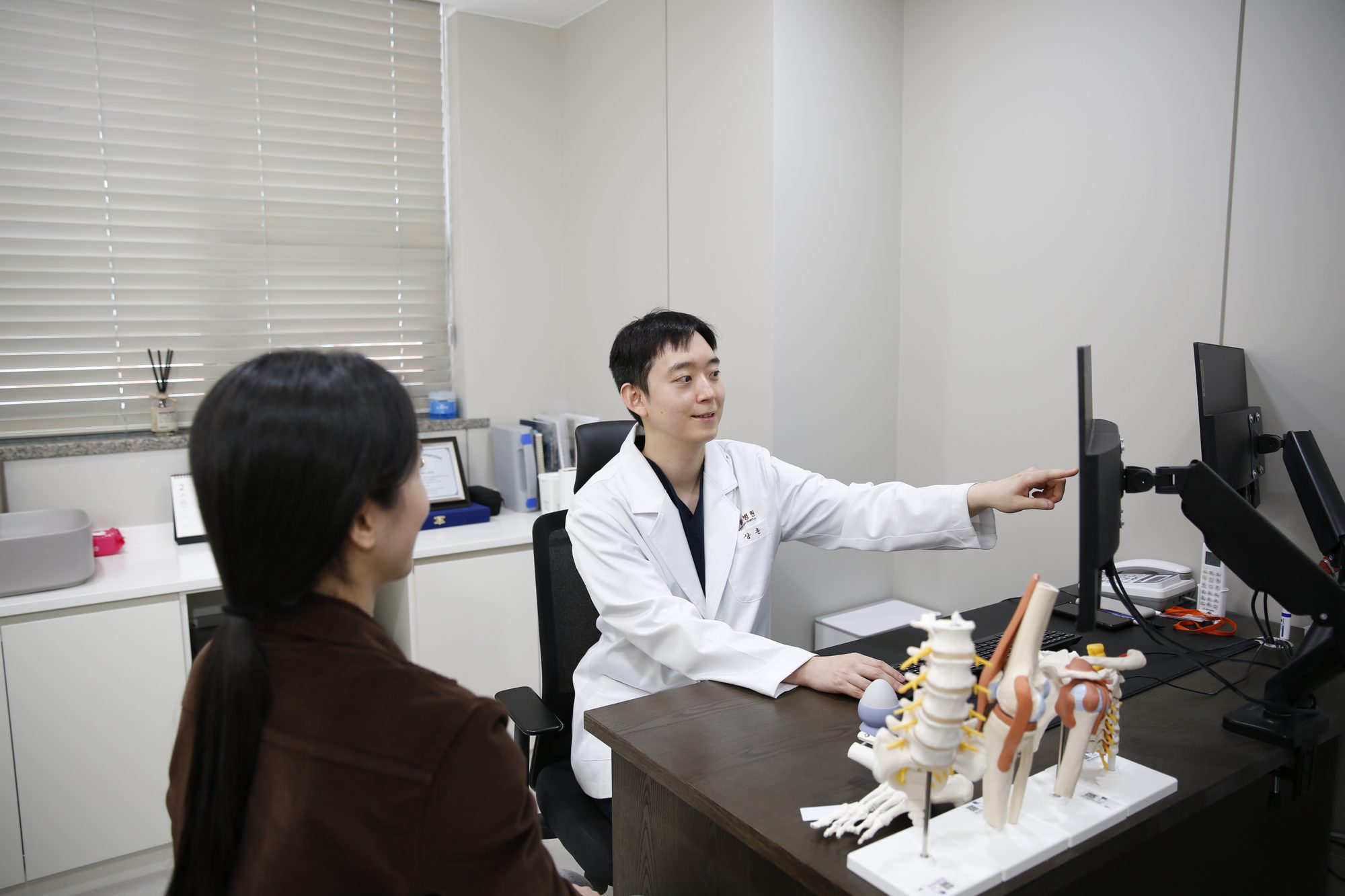
That is why the order of the assessment matters. At Kwangdong Hospital's Orthopedic Pain & Rehabilitation Center, the first step is measuring movement, strength and posture together. Imaging comes when it is needed, and MRI is used to confirm a structural cause rather than to start the conversation. The findings are then explained with pictures, so you see why it hurts and not only where.
"Where the pain is and where it came from are usually two different places." (Dr. Sang-Hoon Shin, Center Director, Rehabilitation Medicine, on the hospital's center page)
The center is led by Dr. Sang-Hoon Shin, a rehabilitation medicine specialist and former clinical instructor in the Department of Rehabilitation Medicine at Gangnam Severance Hospital. Its focus is stated plainly: non-surgical care, with surgery referred out when it is judged necessary.
Exercise first for pain in one spot past three months
Exercise-based rehabilitation is usually the backbone, with other treatments added around it.
A Cochrane review of exercise therapy for chronic low back pain pooled 249 studies with 24,486 people and found that exercise probably reduces pain compared with no treatment, usual care or placebo. The authors were careful about it: they rated the evidence moderate certainty and said their confidence is limited by small studies and design problems.
Three months is also where the picture changes. NIAMS, part of the U.S. National Institutes of Health, describes chronic back pain as pain lasting longer than 12 weeks. Kwangdong's program page explains why that threshold matters to them: pain past three months can sensitize the central nervous system and lead to muscle atrophy, autonomic imbalance and sleep disturbance. So the plan looks at those connected problems, not only the sore segment.
This is the group the hospital's Chronic Pain Recovery program was designed for. It runs as a 12-session course:
- Precision diagnosis. X-ray, MRI or CT imaging, autonomic nervous system testing, pain-related blood tests for inflammation, an in-depth history and a sarcopenia (muscle loss) assessment, chosen according to your condition.
- Regenerative treatment, five sessions. PRP, PDRN, prolotherapy, collagen and shockwave therapy (ESWT), combined to suit your condition. All are non-steroidal.
- Exercise therapy with progress checks, five sessions. Strengthening, aerobic exercise, stretching, posture correction and AI movement analysis, with pain intensity, strength, function and body composition measured again along the way.
The composition and number of sessions are adjusted after consultation. If tests show nothing seriously wrong and you have heard the same answer at several hospitals, this row is probably yours.
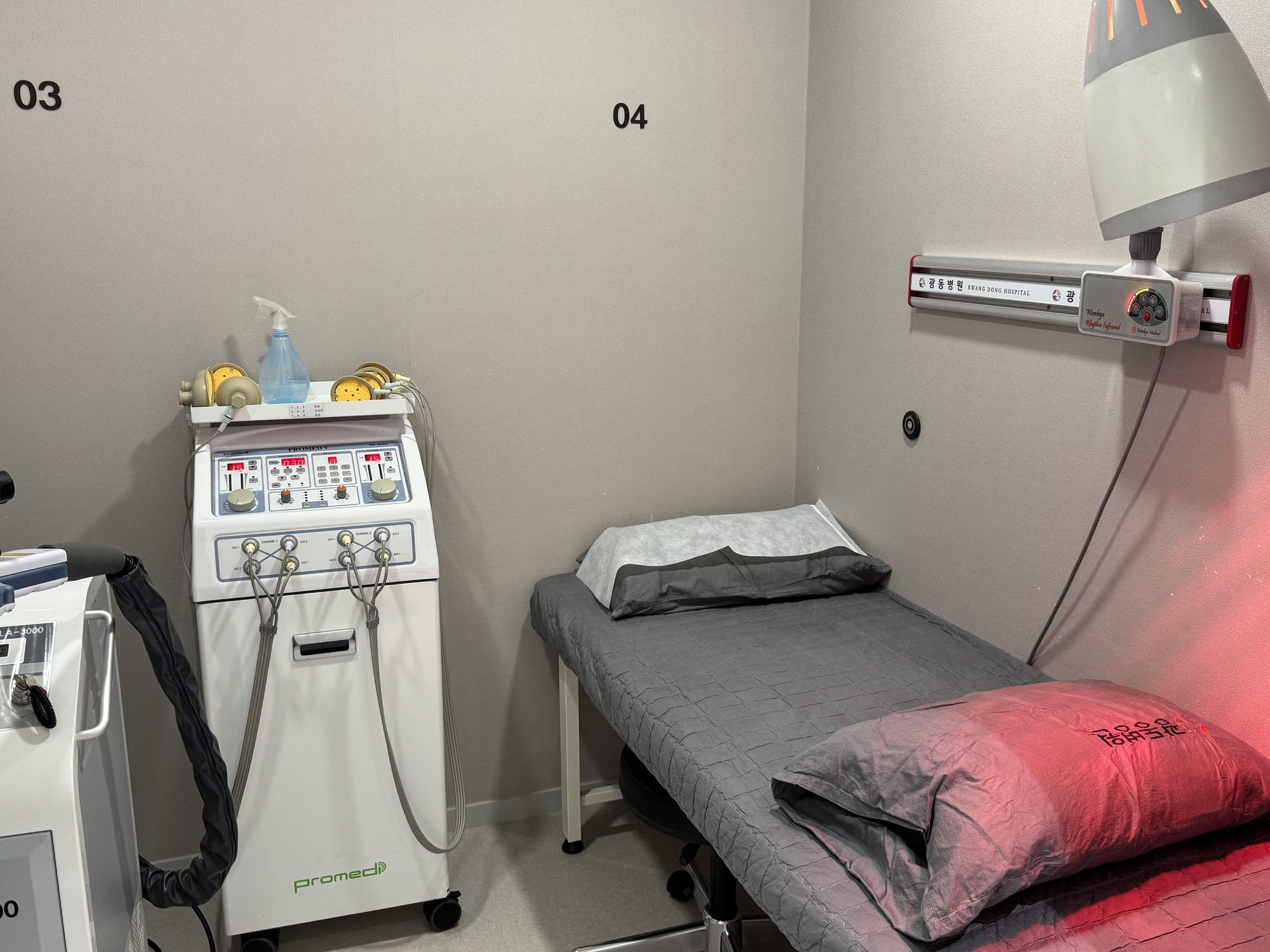
When pain runs down one leg
Leg pain changes the question from "which muscle" to "which nerve". Tingling, pulling or numbness below the knee can mean a nerve root is compressed or irritated, and that is one of the situations where NIAMS lists anti-inflammatory or numbing injections as an option for certain types of back pain.
An injection here is a tool for a specific target, not a plan on its own. It can calm an irritated nerve enough for you to move, and the movement work is what follows. Kwangdong's rehabilitation team chooses injections by cause and by the damaged tissue, so two people with sciatica may not receive the same one. Non-steroidal regenerative options such as PRP have their own indications and limits; the hospital's own video on PRP says it is not a treatment for every kind of pain.
What should make you move faster: leg weakness that is getting worse, numbness spreading, or any change in bladder control. Those belong to the next-but-one section, not to a rehab plan.
Should you get an MRI before deciding?
Only if the result would change what you do. NIAMS says most people with back pain do not need additional testing, and that tests are ordered mainly to confirm or rule out a specific cause. An MRI shows discs, ligaments and nerves; an X-ray shows bone, alignment and age-related change.
If you already have an MRI from home, it is worth bringing. If you were advised surgery on the strength of a disc finding, the useful question is whether that finding matches your symptoms. A bulge on one side with pain on the other side is a different conversation from a bulge that lines up exactly with a weak ankle. That matching is done in person, with the exam, and it is where non-surgical and surgical paths separate.
Where does Korean medicine fit for chronic back pain?
As one option alongside rehabilitation, chosen for the person, not as a replacement for an assessment. Kwangdong Hospital has a Korean Medicine Pain Clinic inside the same building, and Dr. Kyu-Hyun Kim of Korean Medicine sees chronic and intractable pain, neck and back pain, herniated disc and lumbar spinal stenosis.
NIAMS describes acupuncture as a practice that may relieve pain in some patients, with results that vary, and also lists spinal manipulation among the treatments for back pain. That is a fair way to hold expectations. Where it helps, it tends to help most as part of a plan that also rebuilds strength. On the Chronic Pain Recovery program, Rehabilitation Medicine leads, and Neurology, Internal Medicine (rheumatology), Functional Medicine and Korean Medicine join from the same chart when your attending rehabilitation physician decides they are needed.
Manual therapy alone is possible too. The center's FAQ answers it directly: yes, but repeated without an assessment, the cause remains.
Risks, side effects and who shouldn't wait
Every route here has trade-offs, and none removes pain for everyone.
- Exercise therapy. The Cochrane review found that the side effects reported were mostly minor, chiefly increased back pain and muscle soreness, and that non-exercise groups reported similar ones. Expect some soreness when load increases.
- Injections. Any injection carries a small risk of local pain, bruising or infection, and relief can be temporary. The target and the drug matter, which is why the cause is identified first.
- Regenerative treatment. These have specific indications and are not suitable for every type of pain; the decision follows imaging and examination.
- Acupuncture and manual therapy. Responses vary between people, and they do not correct weakness or movement patterns on their own.
Some situations should not wait for a planned trip or a 12-session course. NIAMS lists signs that need a doctor: numbness and tingling, back pain after a fall or injury, trouble urinating, weakness, pain or numbness in the legs, fever, and weight loss you did not intend. If any of these are new or worsening, get seen where you are now.
Results also differ from person to person even with the same treatment, and the in-person assessment decides what is suitable.
Surgery referral, and rehabilitation afterwards
Sometimes the honest answer to "can I avoid surgery?" is no. NIAMS notes that surgery may be suggested when other treatments have not relieved the pain, and that not everyone qualifies. Progressive nerve weakness is another reason a surgeon's opinion matters more than a rehab plan.
Kwangdong Hospital does not perform surgery. When surgery or highly complex treatment is judged necessary, it refers patients to partner university hospitals such as the Seoul National University Hospital Gangnam Center or Samsung Medical Center, and rehabilitation after surgery comes back to the same center. The center's FAQ puts the first step simply: it depends on the cause, and the first job is to separate cases where non-surgical care is enough from those that need surgery.
How does a 12-session course fit around work or a stay in Seoul?
A 12-session course suits you most easily if you live in Seoul or are staying for a while, because sessions continue over time rather than in one day. The course is built so the plan is adjusted at each session, so it is not designed to be compressed into a single long weekend.
Practical details that do not change: the center is on 3F and 5F of the hospital at 612 Bongeunsa-ro, Gangnam, one minute from Bongeunsa Station exit 5. Hours are 09:00 to 17:30 on weekdays and 09:00 to 13:30 on Saturdays, closed Sundays and public holidays. Coordinators in English, Japanese, Russian, Chinese and Mongolian are on site, and there is more on the reservation and directions page. The full center overview, including the conditions it sees from neck to foot, is on the Orthopedic Pain & Rehabilitation Center page.
If you are still deciding, start with what you already have. Send a photo of your MRI report or imaging summary on WhatsApp, with one line on how long the pain has lasted and whether it goes down your leg. A coordinator takes it from there, and you can read more about related problems in other pain and rehabilitation articles.
Frequently asked questions
Can chronic back pain get better without surgery?
Often it can, but it depends on the cause. Kwangdong Hospital's first step is separating cases where non-surgical care is enough from those that need surgery, and surgical cases are referred to partner university hospitals.
Is PRP the same as a steroid injection?
No. PRP uses components separated from your own blood and is non-steroidal. It has specific indications and is not suited to every kind of pain, so the indication is confirmed first.
How long does back pain have to last to count as chronic?
NIAMS describes chronic back pain as pain lasting longer than 12 weeks, and the WHO uses the same cut-off. Kwangdong's Chronic Pain Recovery program is aimed at pain in the same spot for more than three months.
Do I have to do every test in the diagnosis package?
No. Tests are chosen according to your condition, and only the ones that are needed are done. An MRI you already have from home can be part of that picture.
Will a Korean medicine doctor be involved in my care?
Only if your attending rehabilitation physician decides it would help. Korean Medicine, Neurology, Internal Medicine and Functional Medicine can join from the same chart in the same building.
Sources
- Low back pain (fact sheet) · World Health Organization
- Back Pain: Diagnosis, Treatment, and Steps to Take · National Institute of Arthritis and Musculoskeletal and Skin Diseases (NIH)
- Back Pain · National Institute of Arthritis and Musculoskeletal and Skin Diseases (NIH)
- Exercise therapy for chronic low back pain · Cochrane
Written with AI assistance from Kwangdong Hospital's published center and program information and the medical sources listed. Not yet reviewed by a physician.