Colonoscopy in Korea: 6 things to check before you book, from sedation to who reads the images
Colonoscopy in Korea, step by step: at Kwangdong Hospital it is done under sedation with an anesthesiology specialist, with a biopsy on the spot if needed and a second reading of every set of images. Six things to check before you book, including what changes the cost.
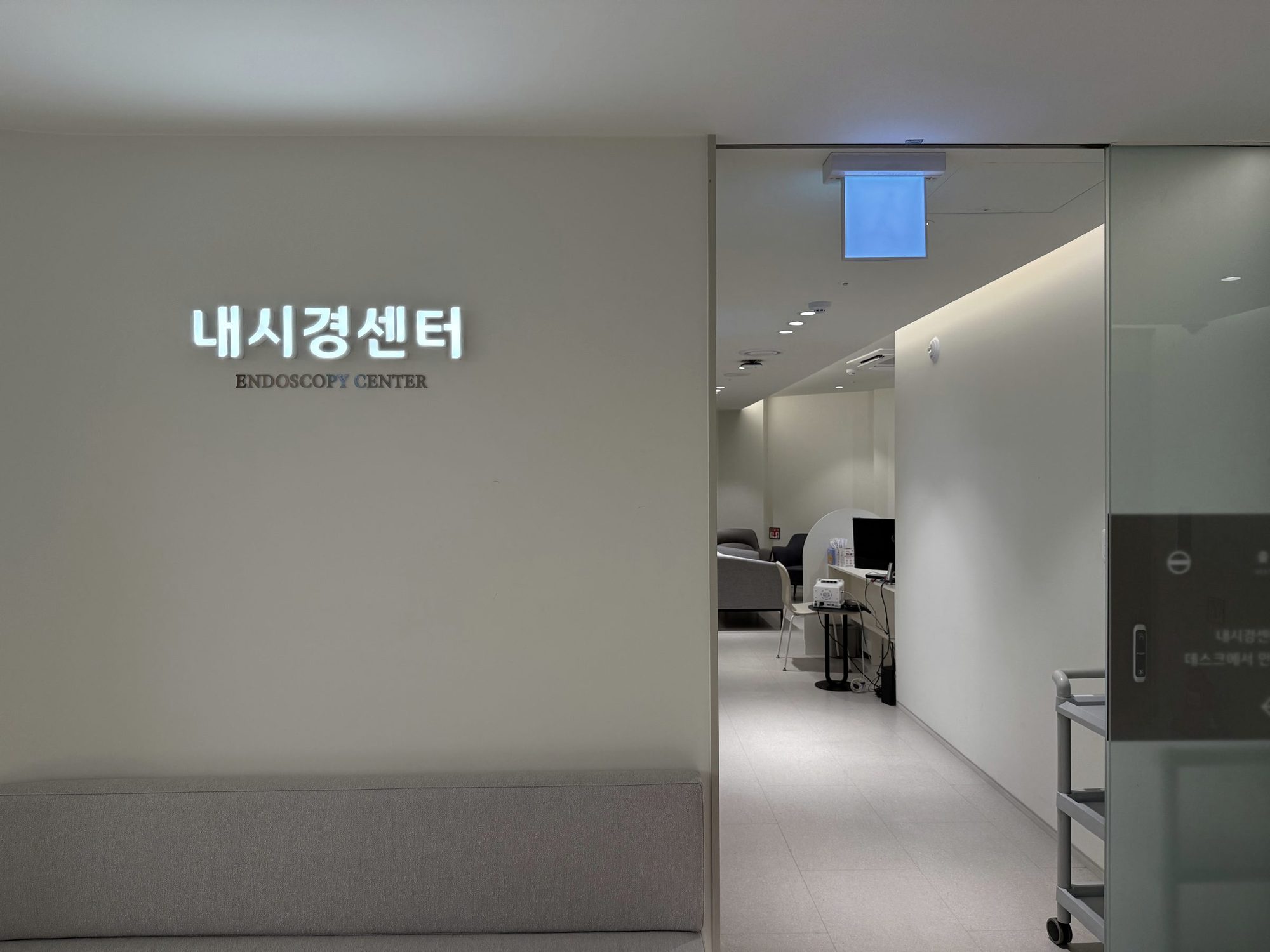
If you are searching for colonoscopy in Korea, you have probably already read the forum threads: someone in Seoul had a sedated colonoscopy, woke up twenty minutes later, and was surprised how quickly it went. Those threads are useful, but they skip the parts that decide whether the day goes well for you. Here is the short answer first. At Kwangdong Hospital in Gangnam, a colonoscopy is done in the Endoscopy Center on B2, under sedation with an anesthesiology and pain medicine specialist involved, with a biopsy taken on the spot if something abnormal is seen, and every set of images read a second time. Gastroscopy and colonoscopy can be done on the same day.
What follows is six things worth checking before you book anywhere, with what Kwangdong's own pages say about each one.
1. Do you actually need a colonoscopy, or a checkup that includes one?
Start with the reason. Colonoscopy has two jobs. The U.S. National Institute of Diabetes and Digestive and Kidney Diseases (NIDDK) describes it as a way to find the cause of symptoms such as bleeding from the bottom, a change in bowel habits, belly pain or unexplained weight loss, and as a screening test for polyps and colorectal cancer in people without symptoms.
For screening, the U.S. Preventive Services Task Force recommends colorectal cancer screening for adults aged 45 to 75, and selective screening from 76 to 85 depending on overall health and previous screening. A family history or a previous polyp can move that earlier or make it more frequent; that is a conversation for a doctor, not a forum.
At Kwangdong, the people who come to the Endoscopy Center tend to fall into a few groups the center itself lists: frequent heartburn and bloating, a test put off because it felt scary, stomach or colon cancer in the family, a checkup that recommended follow-up, being over 40 without ever having had one, or a polyp found in a previous test.
If you have symptoms right now, such as bleeding, black stools, or weight loss you cannot explain, do not wait for a trip. See a doctor where you are.
2. What does sedated colonoscopy in Korea look like on the day?
This is what most "colonoscopy in Korea reddit" threads are really asking. At Kwangdong the route is published as five steps.
| Step | What happens |
|---|---|
| Pre-exam visit | Your symptoms and previous test history are reviewed |
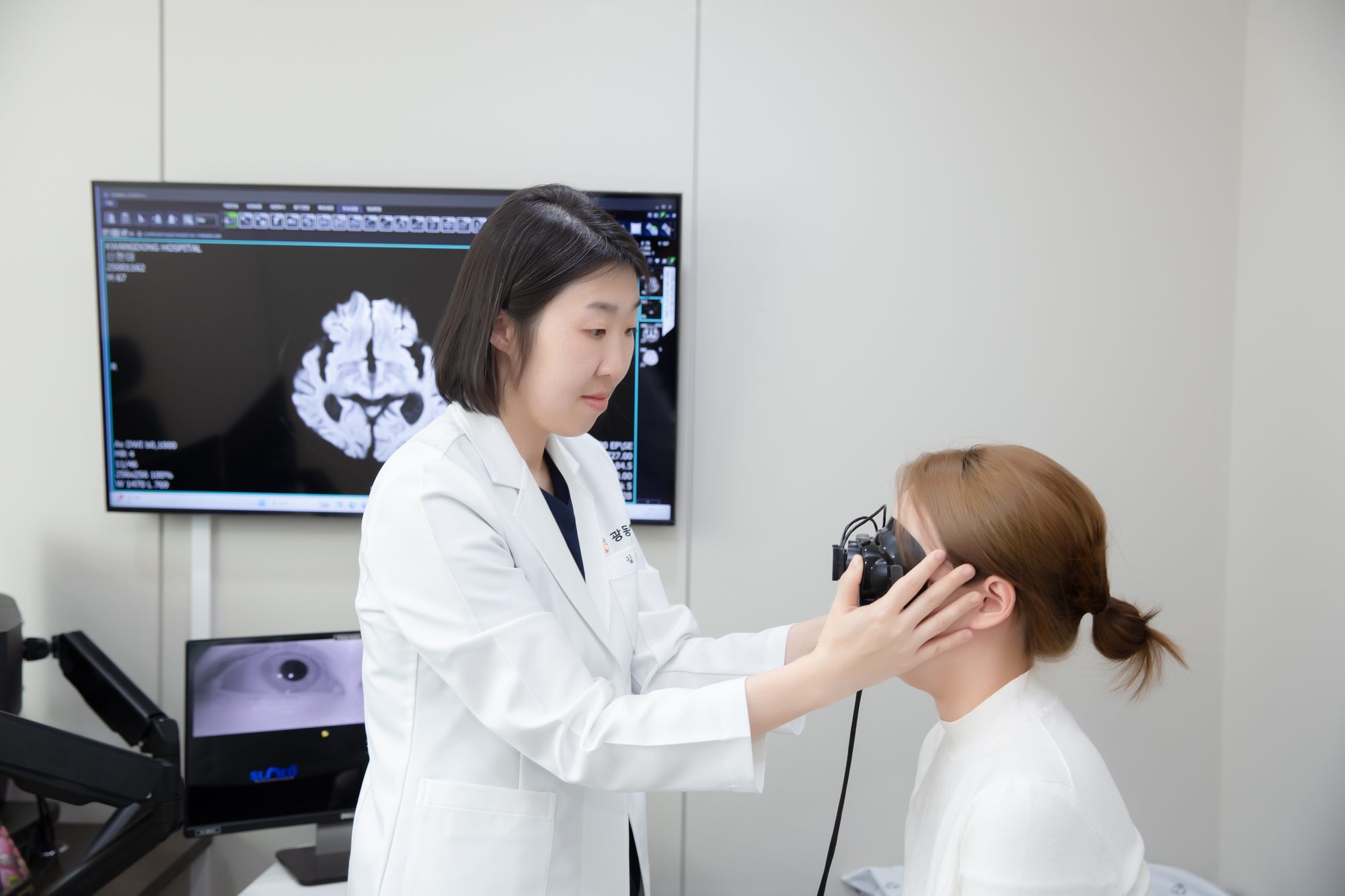
| Sedated endoscopy | Performed under the care of an anesthesiology and pain medicine specialist |
| Biopsy | If an abnormal finding appears, tissue is sampled right away |
| Second reading | A specialist reads the images again |
| Results and referral | Explained the same day, with referral to a department when needed |
The center states that you are monitored throughout sedation and asks that you tell it about any underlying conditions in advance. That last point is not a formality. Heart and lung conditions, sleep apnoea, blood thinners and diabetes medicines can all change how sedation and preparation are planned.
On the general side, NIDDK notes that a colonoscopy usually takes less than an hour, that sedatives or anesthesia are given through an IV so you are not aware of or in pain during the procedure, and that you should not drive afterwards because the medicine needs time to wear off. The NHS puts the procedure itself at 30 to 45 minutes, with around two hours at the hospital in total.
3. Can I do gastroscopy and colonoscopy together?
Yes. Kwangdong answers this directly: gastroscopy and colonoscopy can be done on the same day, and the preparation is explained in advance. Doing both in one session means one round of sedation and one recovery.
The upper test has its own preparation. NIDDK's page on upper GI endoscopy says you may be asked not to eat or drink for up to eight hours beforehand, and that bloating, nausea or a sore throat for a short time afterwards is common.
As for how often, the center gives a rule of thumb: every two years for the stomach and every five years for the colon, shorter depending on findings. Your own interval depends on what was found last time and on your family history.
4. Where will you do the bowel prep?
For a visitor, this is the practical question that matters most. Bowel prep means several hours of laxatives and frequent trips to the toilet, and NIDDK stresses finishing it completely, because a poorly cleaned bowel can hide what the test is looking for. Doing it in a hotel room the night before, then crossing the city at dawn, is where many trips go wrong.
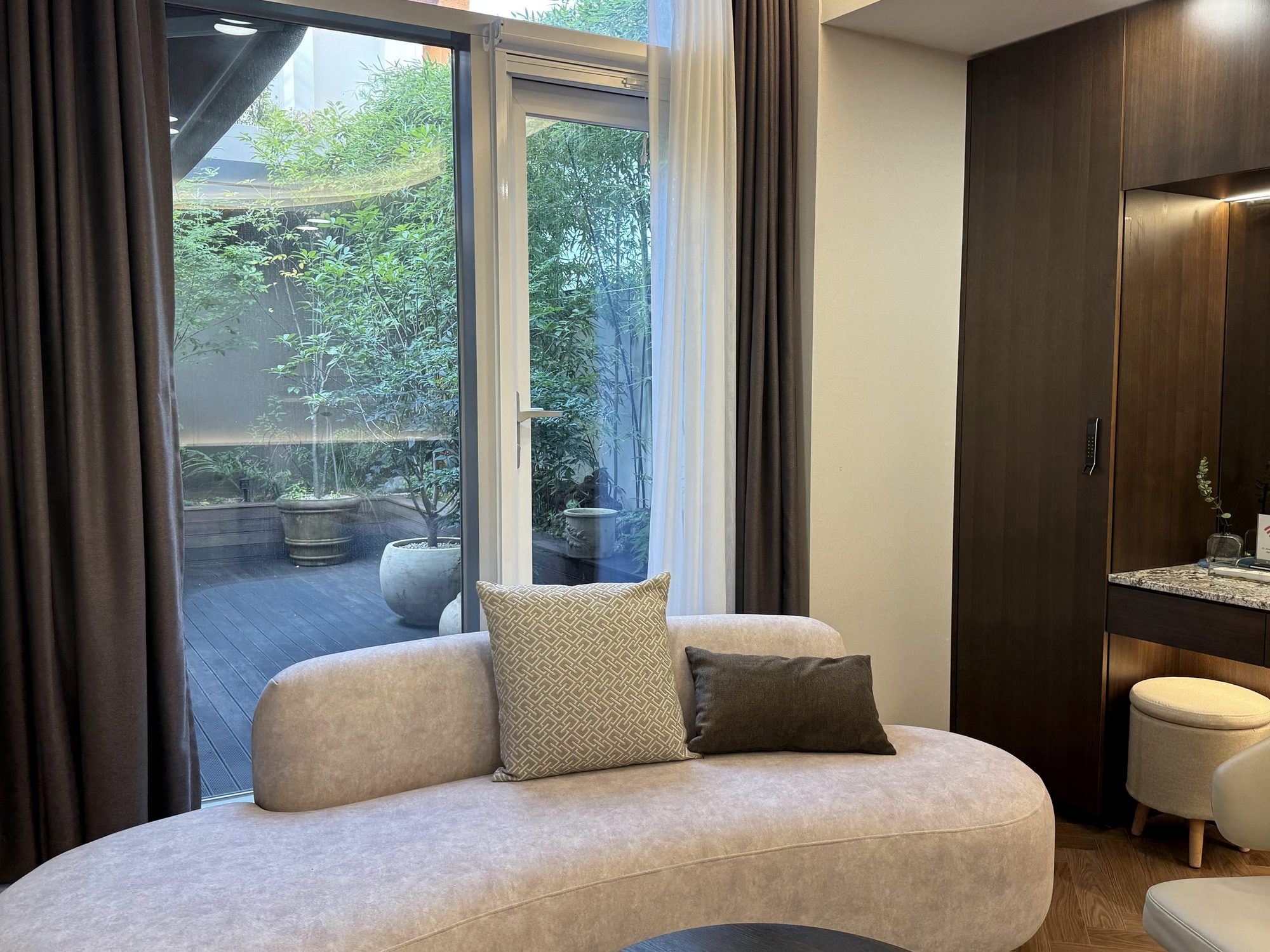
On the Global Premium Checkup One-Night Stay, bowel preparation is done in your own private room on the VIP ward, followed by sedated gastroscopy and colonoscopy. The hospital notes that you do not share common spaces with other checkup patients during the prep. Recovery is back in the same room, with IV nutrient therapy, and a one-on-one results briefing with a specialist the next day.
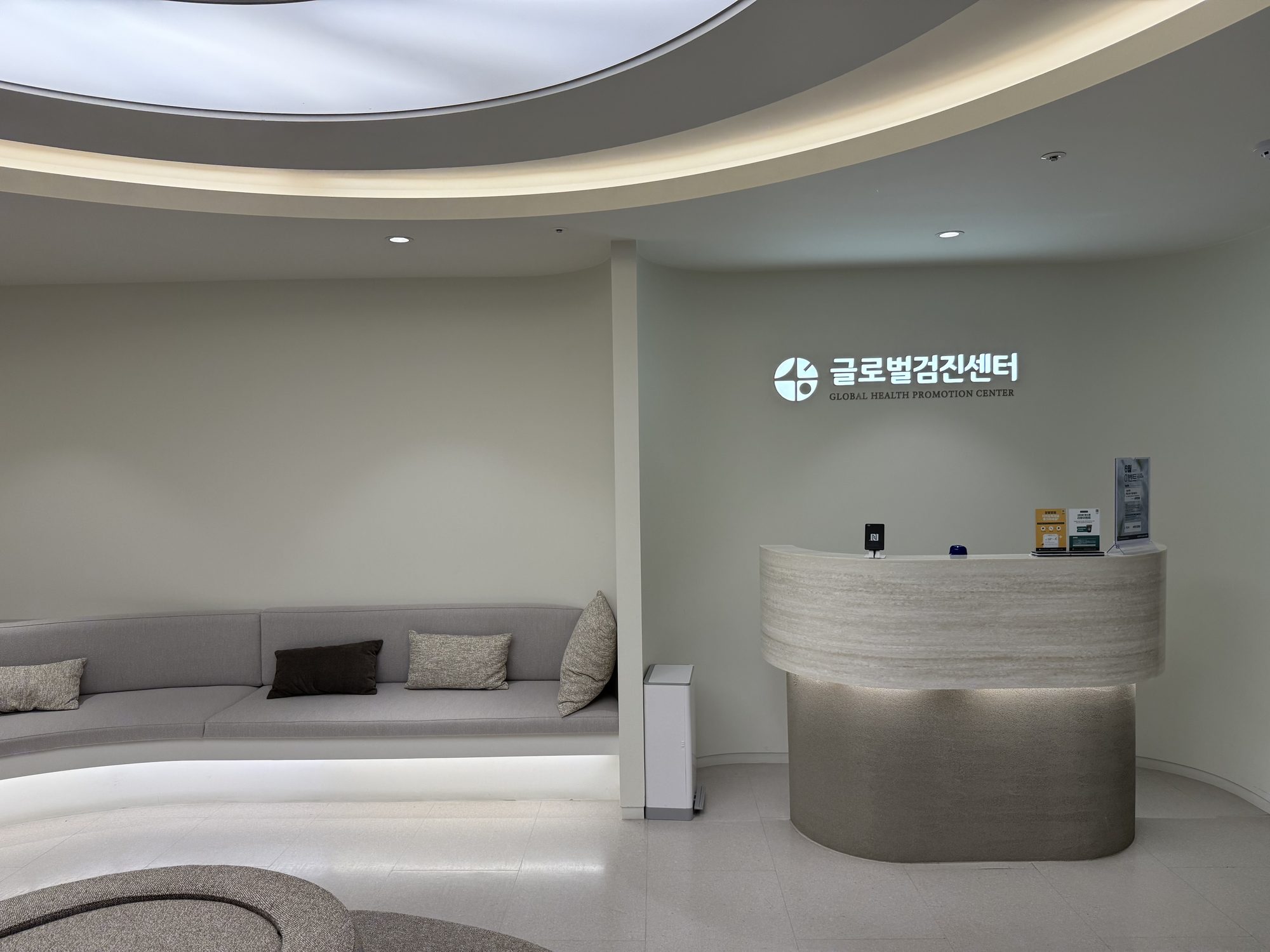
The Endoscopy Center is on B2, on the same floor as the Global Health Checkup Center, so there is no moving between the exam and the consultation.
5. Who reads the images, and what happens if a polyp is found?
A colonoscopy is only as good as the person looking. Kwangdong's endoscopy page puts it plainly: "Even a single test only finds it when done right." The center runs disinfection as a separate process, and every reading is checked again with a second reading. The center is led by Dr. Jin-Yong Kim, Center Director, who built the second-reading system.
If a polyp is found, the center says it is removed the same day or scheduled for later, depending on its size and shape. If an abnormal area is seen, tissue is sampled right away for biopsy. Results are explained the same day, and if something needs care you are referred to a department in the same building.
Two points worth knowing before you fly:
- Biopsy results. NIDDK explains that a pathologist examines the tissue and that results can take a few days or longer, so they may arrive after the same-day explanation of the images. Ask at booking how the result will reach you abroad.
- Polyp removal and flights. NIDDK notes that delayed bleeding can occur up to two weeks after a colonoscopy, and that most bleeding happens in people who are older or have had polyps removed. Ask the doctor who did your procedure before you book a flight for the same or next day.
6. Colonoscopy in Korea price: what actually changes the cost?
You will not find a number here. The honest reason is that the cost of a colonoscopy depends on what is done, and that is only known after the pre-exam visit and sometimes only during the procedure itself. The things that change it include:
- gastroscopy alone, colonoscopy alone, or both in one session
- whether it is part of a wider checkup or booked on its own
- whether a biopsy is taken or a polyp is removed
- whether you stay overnight for the prep
- whether interpreting, a private room and follow-up after you go home are part of the plan
Kwangdong's program page says the composition and duration are adjusted to the individual after consultation, and that details are provided at the time of reservation. If you are comparing clinics, ask each one the same question: what is included, and what would be added if a polyp is removed or a biopsy is taken. If you hope to claim the cost back, check with your own insurer before you go; that is between you and them.
Who should not plan it this way
A trip-based colonoscopy is not the right plan for everyone.
- Symptoms now. Rectal bleeding, black stools, anaemia or unexplained weight loss should be seen where you live, without waiting for a trip.
- Blood thinners or diabetes medicines. These often need adjusting before endoscopy. Do not stop them on your own; ask the doctor who prescribes them, and tell the hospital at booking.
- Complex heart or lung conditions. These change the sedation plan and are best discussed before you choose dates.
- Only one day available. A same-day visit without the overnight stay leaves very little room for bowel prep and recovery.
Before you send your first message
The useful information to have ready is short: your age, why you want the test (screening, symptoms or a follow-up), any previous endoscopy reports, the medicines you take, and the dates you are in Seoul. The center starts with a pre-exam review of symptoms and previous test history, so sending the old report first saves a step.
More on the center is on the Endoscopy Center page, and booking details and directions are on the visit page. If timing is your main question, the post on how long a health checkup in Seoul takes lays out the day hour by hour.
Frequently asked questions
Is sedation used for colonoscopy in Korea?
At Kwangdong Hospital, endoscopy is performed under sedation with the care of an anesthesiology and pain medicine specialist, and you are monitored throughout. Tell the hospital about underlying conditions and medicines in advance, and do not drive afterwards.
Can I have a gastroscopy and colonoscopy on the same day in Seoul?
Yes. Kwangdong Hospital does both on the same day and explains the preparation in advance. On the One-Night Stay of the Global Premium Checkup, both are done after bowel prep in your private room.
If a polyp is found, is it removed during the same colonoscopy?
Depending on its size and shape, it is removed the same day or scheduled for later. If an abnormal finding appears, tissue is sampled right away for a biopsy.
How much does a colonoscopy cost in Korea?
It depends on what is done: one test or both, a biopsy or polyp removal, an overnight stay, and what the program includes. Kwangdong Hospital confirms the composition after consultation and gives details at reservation.
Who reads my colonoscopy images?
At Kwangdong Hospital every reading is checked again with a second reading by a specialist, and the results are explained the same day with referral to a department if needed.
Sources
- Colonoscopy · National Institute of Diabetes and Digestive and Kidney Diseases (NIH)
- Upper GI Endoscopy · National Institute of Diabetes and Digestive and Kidney Diseases (NIH)
- Colorectal Cancer: Screening · U.S. Preventive Services Task Force
- Colonoscopy · NHS
Written with AI assistance from Kwangdong Hospital's published center and program information and the medical sources listed. Not yet reviewed by a physician.