Full body checkup in Korea: what is actually tested, and how to choose between Day, One-Night and VIP
A full body checkup in Korea is not one package. At Kwangdong Hospital the Day option fits one weekday, the One-Night option adds bowel prep and sedated endoscopy, and VIP adds anti-aging care. What each tests, and four questions that decide it.
A full body checkup in Korea sounds like one thing, and the search results make it look like a menu of packages that all promise to test "everything." No checkup tests everything, and the useful question is a different one: which tests answer a question about you, and which option fits the time you have in Seoul. At Kwangdong Hospital in Gangnam, the Global Premium Checkup for visitors comes in three options, Day, One-Night and VIP, and the difference between them is not just more tests. The One-Night option is the one that adds the bowel: prep in a private room, then sedated gastroscopy and colonoscopy. The VIP option adds anti-aging care and support around the checkup.
Below is what is actually tested in each, and the questions that decide between them.
What does a full body checkup in Korea actually test?
Most comprehensive checkups in Korea are built from the same building blocks: a consultation and questionnaire, blood and urine tests, an ECG, imaging such as CT and ultrasound, and endoscopy. What differs is which blocks are included and who decides.
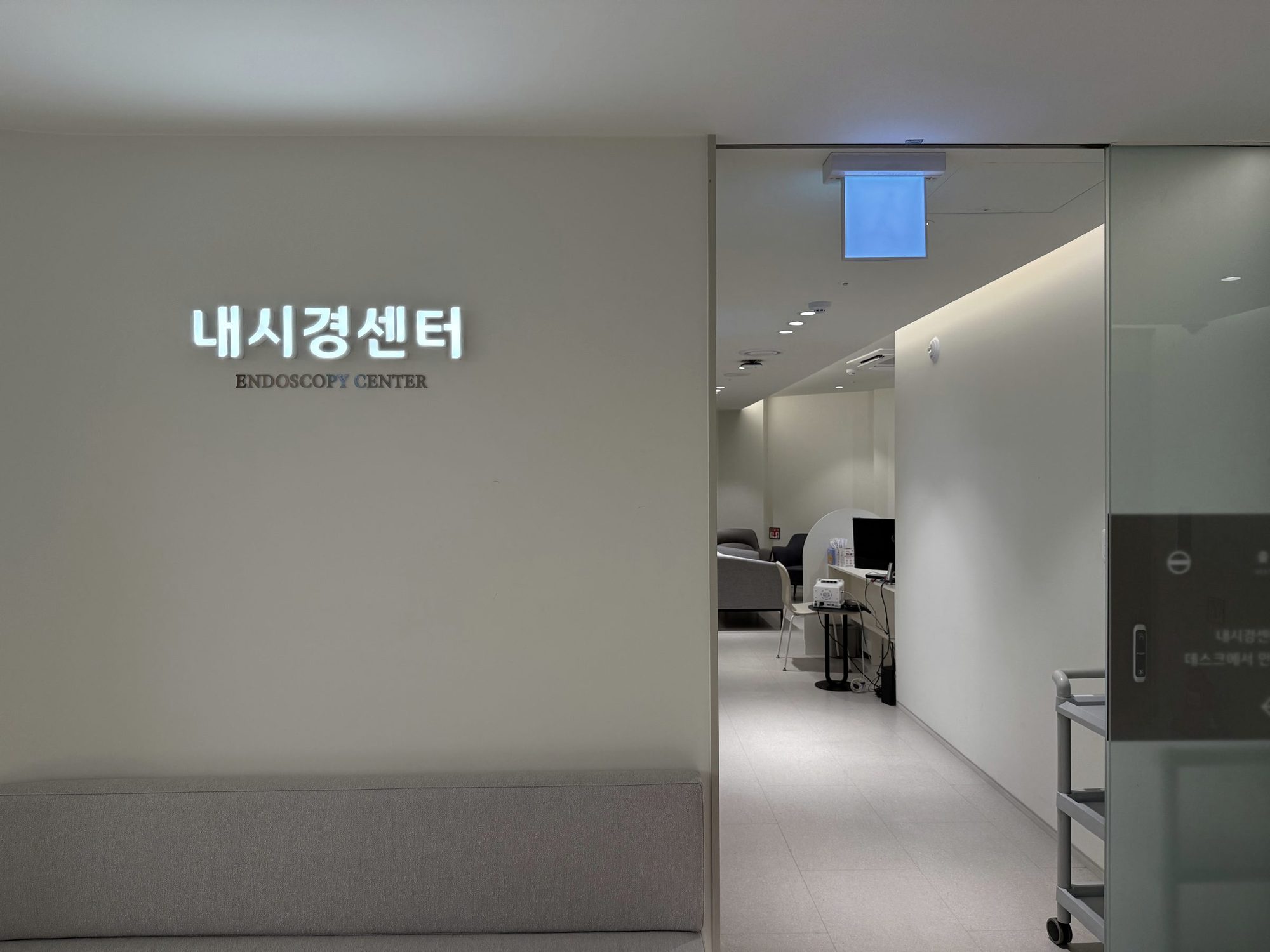
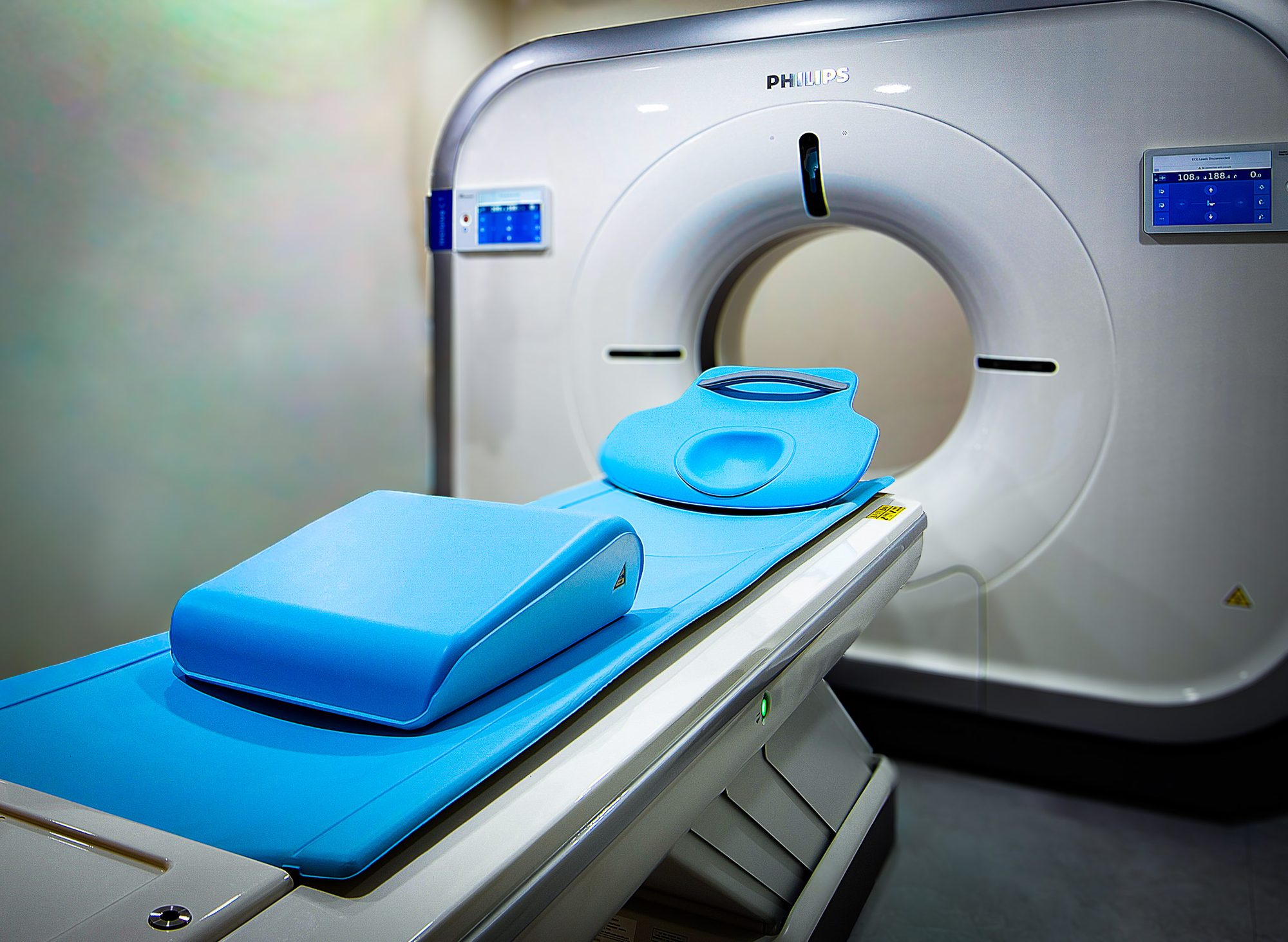
On Kwangdong's Global Premium Checkup page, the published checkup route includes blood tests, ECG, chest CT and ultrasound of four areas, with bowel prep in your room followed by sedated gastroscopy and colonoscopy on the overnight option. Imaging (MRI and CT) is on B1 and endoscopy on B2, in one building.
On top of a base program, the hospital offers 10 optional precision modules, grouped by concern:
- Cardiovascular and brain: sudden-death prevention, heart, cerebrovascular and brain tumor, dementia and neurodegeneration
- Digestive and respiratory: digestive (including pancreatic MRI and sedated endoscopy), allergy and respiratory (including low-dose chest CT and lung function)
- Hormones, functional medicine and genes: men's endocrine, women's endocrine, functional medicine, disease genetics
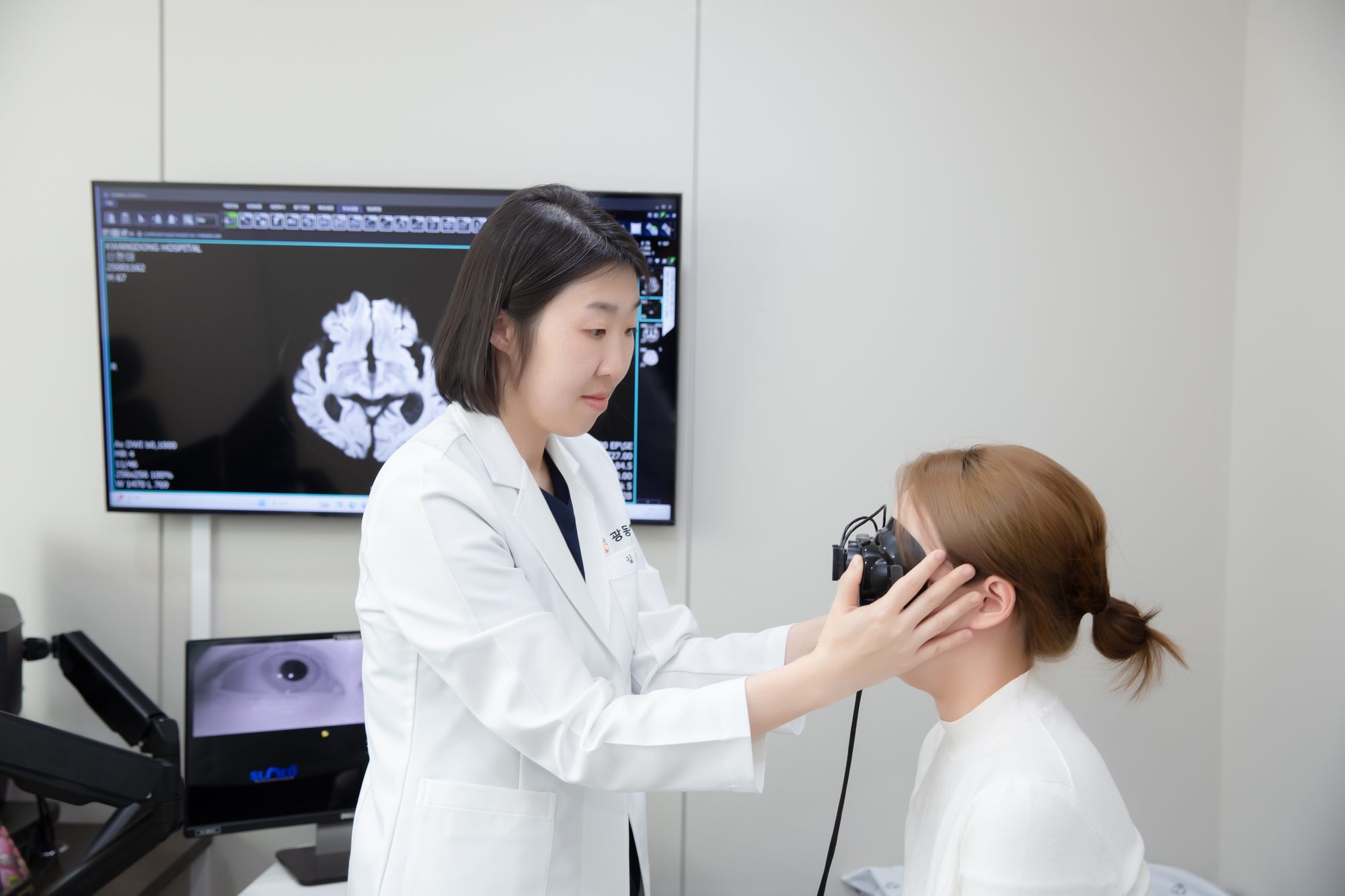
You do not need to know these names. The Premium Checkup page says it plainly: tell the center what worries you, and the modules are chosen together. It also says the center does not recommend tests you do not need.
Day, One-Night or VIP: what each option includes
| Day Check-up | One-Night Stay | VIP Anti-aging | |
|---|---|---|---|
| Length | About 4 hours, depart the same day | One night, two days | Composed after consultation |
| Core | Premium Checkup fast-track | About 50 test items | Full anti-aging care |
| Endoscopy | Not listed | Bowel prep in your private room, sedated gastroscopy and colonoscopy | Not listed separately |
| Extras | IV nutrient therapy (IVNT), Korean medicine consultation, chauffeured transfer | Private room on the VIP ward | Skin boosting, lifting, Exbody rehabilitation coaching |
| Results | English report the same day, with an interpreter | Full briefing on D+1 and a Care Plan | Remote consultation, priority rebooking |
| Companion | — | — | Dedicated support for your companion |
The hospital adds that composition and duration may be adjusted to the individual after consultation, so treat the table as the starting point, not the final list.
How to choose: four questions that decide it
1. Do you want the stomach and colon checked? This is the deciding question. If you are due for colorectal screening, or you have reflux, a family history of stomach or colon cancer, or a past polyp, the One-Night Stay is the option that includes bowel prep and sedated endoscopy. The U.S. Preventive Services Task Force recommends colorectal cancer screening from 45 to 75.
2. How much time do you really have? The Day Check-up fits one weekday. The One-Night Stay needs an evening and the following day. If you are torn, the post on how long a health checkup in Seoul takes sets out both schedules in detail.
3. Is there a specific worry? A family history of heart disease, memory changes in a parent, frequent headaches, a cough that lingers or a hormonal change each map onto a module. This is where a checkup becomes yours rather than a package.
4. Are you coming with someone, or for more than the tests? The VIP option adds dedicated support for a companion and care that goes beyond screening. If your goal is the checkup itself, the first two options are the core.
Is a full body checkup worth it? Where more tests stop helping
This is the "reddit" version of the question, and it deserves a straight answer. More tests do not automatically mean better care.
The USPSTF list of A and B recommendations is a useful benchmark for what has strong evidence in adults without symptoms. It includes blood pressure screening from 18, screening for prediabetes and type 2 diabetes from 35 to 70 in people with overweight or obesity, mammography every two years for women from 40 to 74, and low-dose CT for lung cancer only in adults aged 50 to 80 with a significant smoking history. Notice how targeted it is: lung CT, for example, is recommended for a defined group, not for everyone.
The UK's NHS Health Check for adults aged 40 to 74 is even more modest: height, weight, waist, blood pressure, cholesterol and possibly blood sugar, plus questions about family history, smoking, alcohol and activity, taking about 20 to 30 minutes.
A Korean comprehensive checkup goes well beyond both. That can be worth it when the extra tests answer a real question, such as a family history, a symptom you have been ignoring, or a screening you are overdue for. It is less useful when tests are added only because they are available. Every extra scan raises the chance of an incidental finding, a result that is probably harmless but needs a follow-up test to prove it. Plan for that possibility before you go.
Kwangdong's approach is built around this point. Test items are designed by a Program Development Board chaired by the hospital director, Dr. Sang-Heon Cho, who planned and ran the Seoul National University Hospital Gangnam Center, and the board reviews whether each item is truly needed and backed by evidence. Before the checkup, a pre-checkup consultation recomposes the items around your age, family history and current symptoms.
Health checkup in Korea for foreigners: what is different
For visitors, the logistics shape the checkup as much as the test list.
- Language. Coordinators in English, Japanese, Russian, Chinese and Mongolian are on site. English, Chinese and Japanese interpreting is standard; Russian and Arabic are optional, and the interpreter accompanies you one-on-one.
- The report. You receive a full English report and a summary, plus a summary to share with your doctor at home. Chinese, Japanese and Russian translations are optional.
- Who explains it. Images are read by Dr. Jae-Hong Yoon of Radiology, and results are explained by specialists in Gastroenterology and Family Medicine.
- If something is found. You are connected directly to the relevant department in the same building, and if surgery is needed, you are referred to a major university hospital.
- After you fly home. The center contacts you at D+7, D+30, D+90, D+180 and D+365.
Full body check up Korea cost: what to ask instead of a number
There are no figures on this page, by design. The cost of a checkup follows its composition: which option, which modules, whether endoscopy is included, and what is adjusted at the pre-checkup consultation. Kwangdong's program page says details are provided at the time of reservation, and the Premium Checkup page notes that when two or more modules are chosen, overlapping test items are deducted.
The questions worth asking any hospital you compare:
- Which tests are in the base, and which are add-ons?
- Is sedated endoscopy included, and where is the bowel prep done?
- Who explains the results, and in which language?
- What happens, and what is added, if something abnormal is found?
When a checkup is not the right first step
A checkup is for people without active symptoms. If you have chest pain, blood in your stool, unexplained weight loss, a new severe headache or shortness of breath, see a doctor where you are now rather than waiting for a scheduled trip. And if you already have a diagnosis that needs follow-up, a visit to the relevant department is usually more useful than a broad screen.
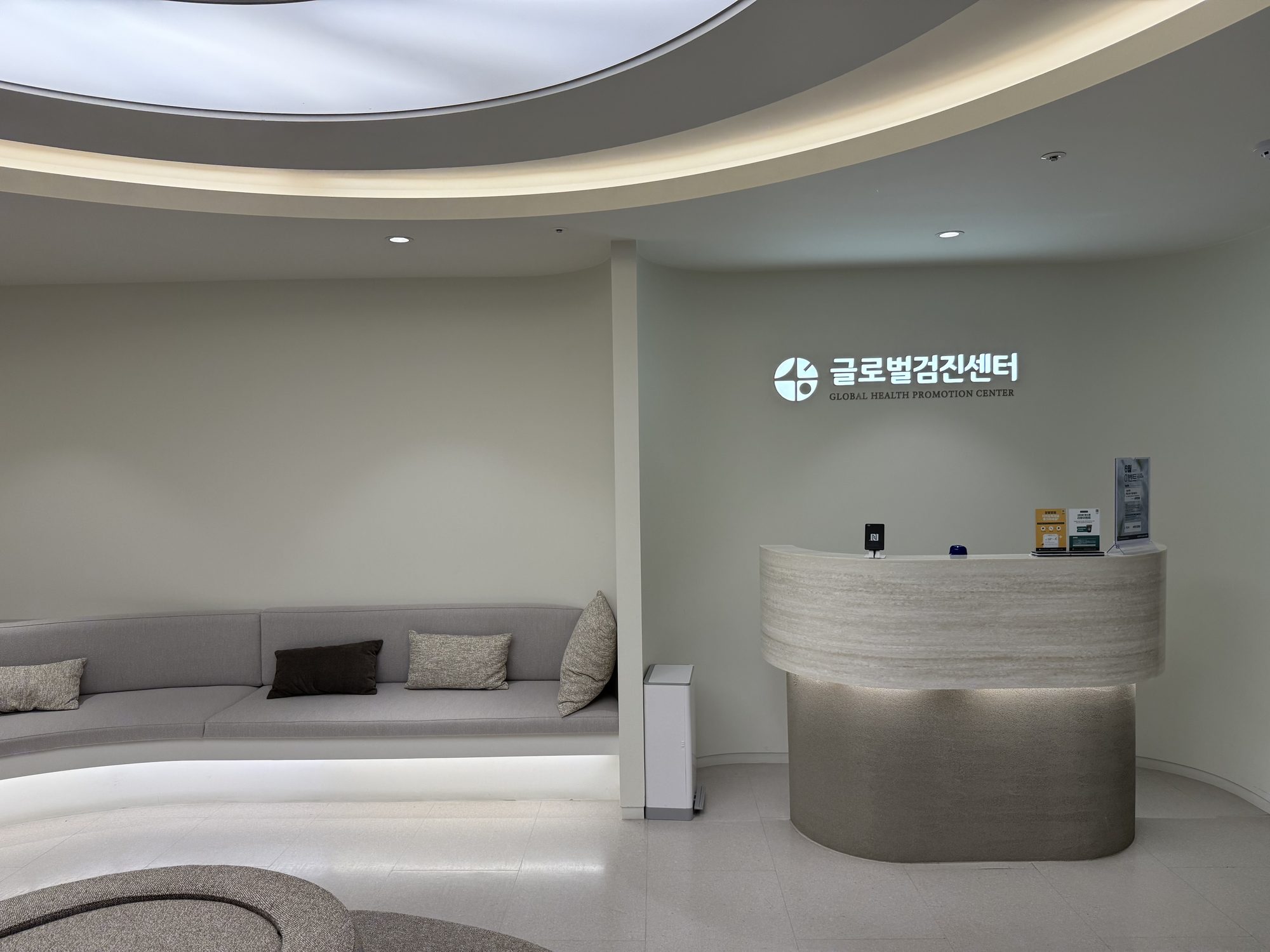
The Global Health Checkup Center page has the full list of modules and how the 4P process works.
Frequently asked questions
What is included in a full body checkup in Korea?
At Kwangdong Hospital the checkup route includes blood tests, ECG, chest CT and ultrasound of four areas, with sedated gastroscopy and colonoscopy on the One-Night Stay. Ten optional precision modules can be added by concern, and the final list is set at the pre-checkup consultation.
What is the difference between the Day and One-Night options?
The Day Check-up takes about four hours and includes an English report the same day. The One-Night Stay adds a private room, bowel prep in your room, sedated gastroscopy and colonoscopy, about 50 test items, a D+1 briefing and a Care Plan.
Do foreigners need to speak Korean for a health checkup in Korea?
No. Kwangdong Hospital has coordinators in five languages on site, with English, Chinese and Japanese interpreting as standard and Russian and Arabic as options. The full report is issued in English.
How much is a full body check up in Korea?
It depends on the option, the modules you add and whether endoscopy is included. Kwangdong Hospital confirms the composition at the pre-checkup consultation and gives details at reservation.
Should I add every test to be safe?
Not necessarily. Tests are most useful when they answer a question about you, and extra scans can produce incidental findings that need follow-up. Kwangdong's center states that it does not recommend tests you do not need.
Sources
- USPSTF A and B Recommendations · U.S. Preventive Services Task Force
- Colorectal Cancer: Screening · U.S. Preventive Services Task Force
- NHS Health Check · NHS
Written with AI assistance from Kwangdong Hospital's published center and program information and the medical sources listed. Not yet reviewed by a physician.