Endoscopy in Korea, from fasting to sightseeing: fitting a sedated gastroscopy into your week in Seoul
Endoscopy in Korea is a routine part of adult checkups because the national program screens the stomach every two years from age 40. Here is how a sedated gastroscopy runs at Kwangdong Hospital, how long to fast, when you can get back to sightseeing, and when a biopsy happens.
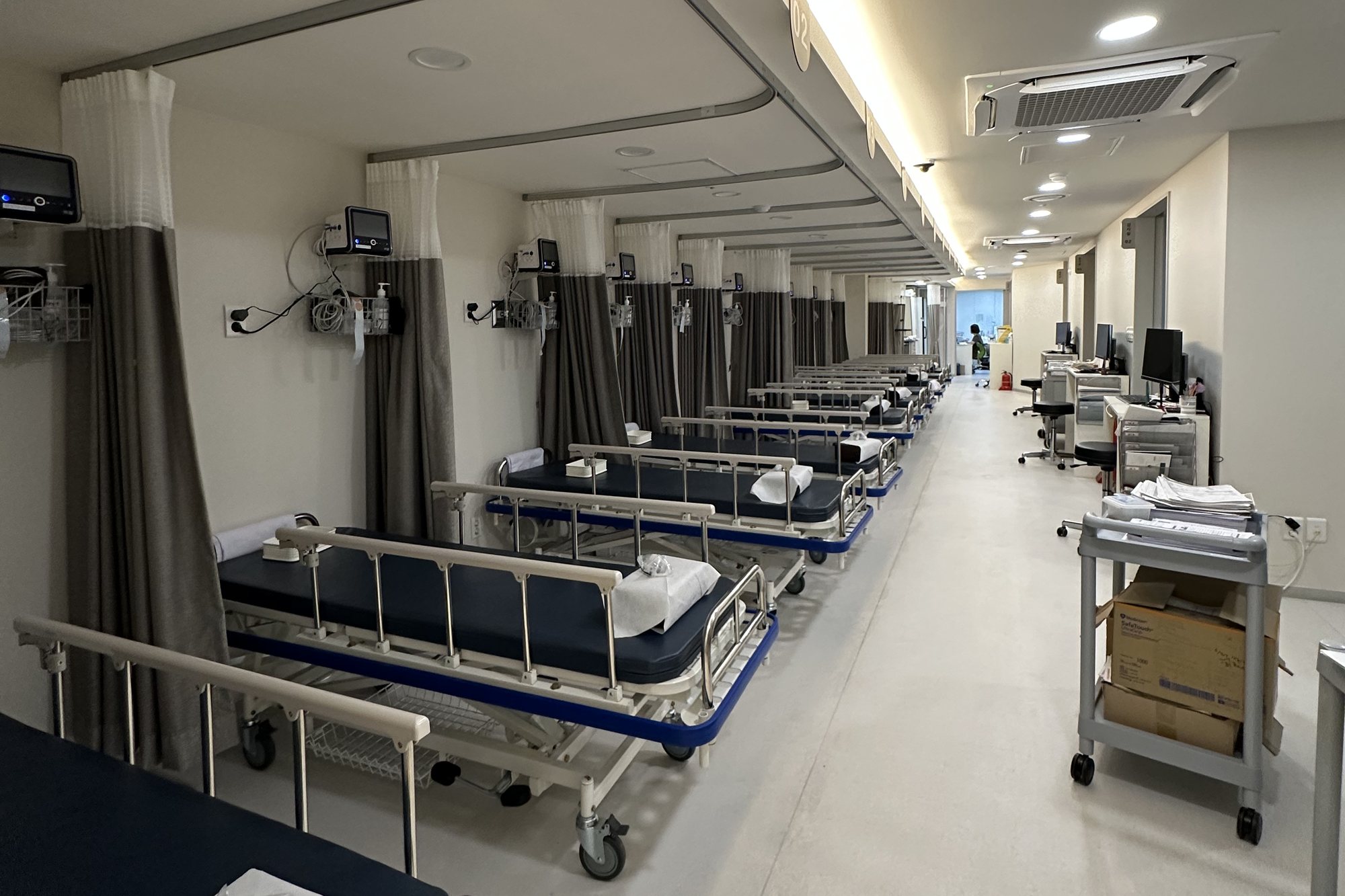
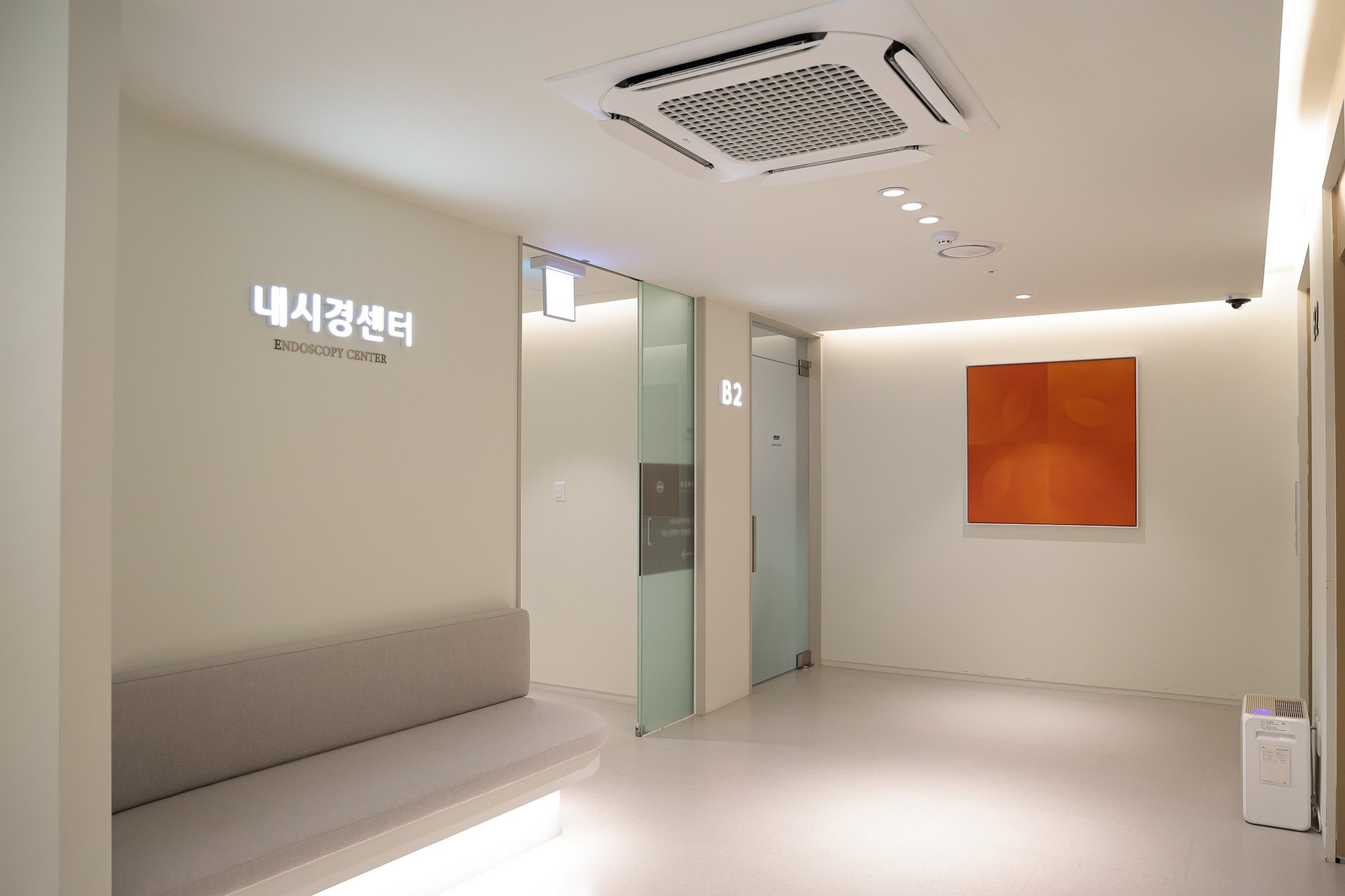
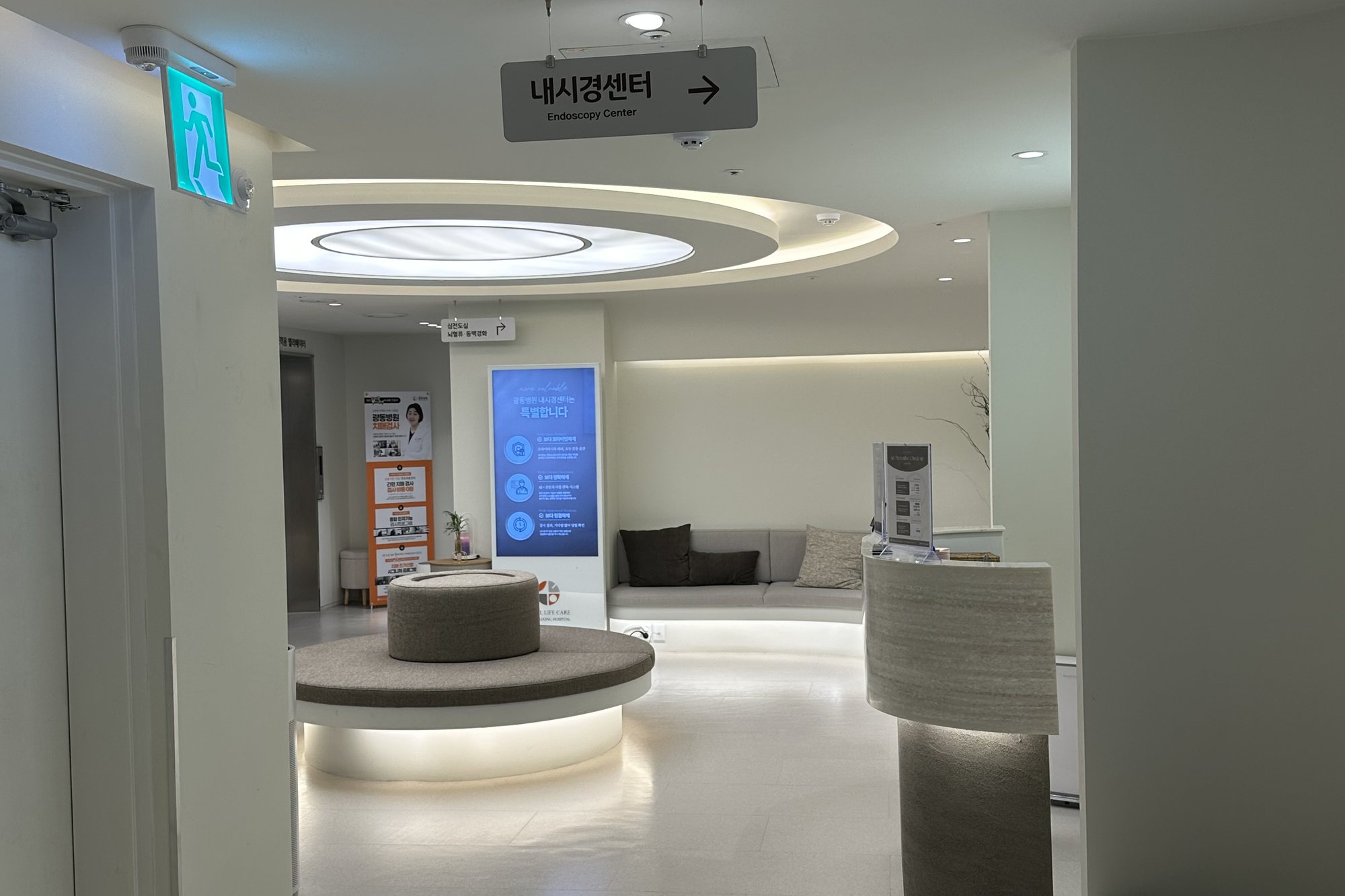
In Korea, a camera down the throat every couple of years is part of ordinary adult life after 40. That is why endoscopy in Korea comes up so often when expats and visitors ask about checkups. Here is the short answer. At Kwangdong Hospital in Gangnam, an upper endoscopy (gastroscopy) is done under sedation in the Endoscopy Center on B2, with an anesthesiology and pain medicine specialist involved. If something abnormal is seen, a biopsy is taken on the spot, and the images are read a second time.
The procedure itself is short. The part that affects your week is the fasting before and the sedation afterwards, so this guide is arranged in the order your day runs: why Koreans do it, what happens, then when you can get back out into the city.
Why is endoscopy in Korea such a routine part of a checkup?
Stomach cancer has long been one of the cancers Korea watches most closely, and the country decided years ago to look for it early. The Korean National Cancer Screening Program offers stomach cancer screening by upper endoscopy or barium X-ray every two years to everyone aged 40 and over, as a 2018 review in the Journal of Korean Medical Science describes. The same review notes that a two-year endoscopic interval is recommended to catch stomach cancer at an early stage.
The evidence behind it is national. A study of more than 16 million Korean adults in Gastroenterology (Jun et al., 2017) found that people who had an upper endoscopy were less likely to die of stomach cancer than people never screened, and the effect grew with repeat screening. No such link was found for the barium X-ray.
So when a Korean colleague mentions their "sleep endoscopy" (sumyeon naesigyeong, the local name for a sedated one), they mean a test most adults here plan for, not a sign that something is wrong. Kwangdong's own rule of thumb matches the national rhythm: every two years for the stomach, shorter depending on findings.
If you grew up somewhere that does not screen this way, it does not automatically mean you need one. Age, symptoms, family history and H. pylori history all change the answer, and that is what the pre-exam visit is for.
Upper endoscopy in Korea: what happens on the day
Kwangdong publishes its endoscopy route as five steps. Here they are, with what is useful for you to do at each one.
| Step | What happens | Your part |
|---|---|---|
| 1. Pre-exam visit | Symptoms and previous test history are reviewed | Bring old reports and your medicine list |
| 2. Sedated endoscopy | Done with an anesthesiology and pain medicine specialist involved; you are monitored throughout | Mention heart, lung or sleep conditions |
| 3. Biopsy | Tissue is sampled right away if an abnormal finding appears | Nothing; you will not feel it |
| 4. Second reading | A specialist reads the images again | Wait while you wake up |
| 5. Results and referral | Explained the same day, with referral to a department if needed | Ask what still has to come back |
Disinfection of the scopes runs as a separate process. The center sits on B2, on the same floor as the Global Health Checkup Center, so you are not crossing the building in a hospital gown.
The test is quick. The U.S. National Institute of Diabetes and Digestive and Kidney Diseases (NIDDK) puts a typical upper endoscopy at 10 to 20 minutes, with about an hour of recovery while the sedative wears off. The NHS gives a wider range of 15 to 45 minutes. Most of the time you spend in the hospital is check-in, waking up and the results talk.
How long do you need to fast, and what about your medicines?
Food. The NHS asks people to stop eating at least 6 hours before a gastroscopy, and NIDDK says you may be asked not to eat or drink for up to 8 hours. In practice that usually means a light dinner the night before and nothing in the morning. Follow the exact instructions the hospital gives you at booking, because they depend on the time of your slot and on whether a colonoscopy is added.
Late-night Seoul. Fried chicken and beer at 1 a.m. the night before is the classic visitor mistake. A full stomach can make the test harder to do safely, and the doctor may not be able to see clearly.
Medicines. Blood thinners, diabetes medicines and some others may need adjusting before endoscopy. Do not stop anything on your own. Ask the doctor who prescribes them, and tell the hospital when you book. Kwangdong asks patients to tell it about underlying conditions in advance, and that applies to medicines too.
What to bring. Previous endoscopy or pathology reports, a list of your medicines with doses, and your Seoul dates. If you have had H. pylori treated before, say so.
When can you go back to sightseeing after a gastroscopy?
Sooner than after a colonoscopy, but not straight away. The sedative is the reason, not the scope. The NHS advises that for 24 hours after sedation you should not drive, drink alcohol or operate machinery, and that someone should take you home and stay with you. A sore throat, bloating or mild nausea for a short time afterwards is common, according to NIDDK.
A realistic way to plan the day:
| Time after the test | What usually fits |
|---|---|
| First hour | Recovery on the ward while the sedative wears off |
| Rest of the day | Results talk, a soft meal, a quiet afternoon close to the hotel |
| That evening | Short walks near your hotel; skip soju, makgeolli and late nights |
| Next day | Most people are back to normal plans, unless a biopsy or treatment changed the advice |
The hospital is a minute from Bongeunsa Station, Exit 5, near COEX. If you are staying nearby, an indoor afternoon close to the hotel fits better than a hike up Bukhansan. Book flights, hikes and anything that needs a clear head for the following day, not the same afternoon.
When does a biopsy happen, and when do you get the result?
A biopsy is not decided in advance. At Kwangdong it happens during the endoscopy itself: if an abnormal finding appears, tissue is sampled right away. NIDDK describes the tool as small tweezers passed through the scope, and you do not feel it under sedation.
What you get the same day is the explanation of what the camera saw. The tissue result takes longer, because a pathologist has to examine it. The NHS says biopsy results can take up to two months in its system, and that they usually come within two weeks when cancer is suspected. Timing varies by hospital and country.
Two things to settle before you fly:
- How the result reaches you abroad. Ask at booking. On the Global Premium Checkup, Kwangdong sends a report on day 7 after you return and follows up by phone on day 30.
- What happens if treatment is needed. Findings are referred to a department in the same building. Kwangdong does not perform surgery; if surgery is needed, it refers you to a partner tertiary hospital.
Gastroscopy in South Korea: visiting, or living here?
The route depends on whether you are passing through or living in Seoul.
Visiting from abroad. The Global Premium Checkup is built for short stays. Its One-Night Stay includes sedated gastroscopy and colonoscopy, with bowel prep in a private room on the VIP ward, recovery in the same room and a one-on-one results briefing the next day. English, Chinese and Japanese interpreting is standard, and the full report is in English. The Day Check-up, about four hours, does not list endoscopy. Whether a gastroscopy alone can be added to it is a question for the consultation.
Living in Korea. The Premium Checkup is the program for patients within Korea. It starts from a base checkup, and if your stomach is often unsettled, a digestive module with sedated endoscopy can be added. The items are set in a pre-checkup consultation based on your age, family history and symptoms.
Gastroscopy and colonoscopy can also be done on the same day, with one round of sedation. If you are weighing that up, our earlier post on colonoscopy in Korea covers the bowel prep side.
Who should not fit a gastroscopy into a trip
A planned screening endoscopy is not the right tool for everyone, and not on every itinerary.
- Warning symptoms now. Trouble swallowing, vomiting blood or something that looks like coffee grounds, black tar-like stools, worsening chest or belly pain, or weight loss you cannot explain. Get seen now where you are. Do not wait for a booking.
- Blood thinners or diabetes medicines you have not discussed with your prescribing doctor yet.
- Heart or lung disease, or sleep apnoea. These change the sedation plan and should be raised before you pick dates.
- Pregnancy. Screening endoscopy is usually postponed; any test during pregnancy is a decision for your own doctor.
- Same-day flight, or no one to go back to the hotel with. Sedation needs a quiet 24 hours. If you are travelling alone, ask at booking how your recovery and return to the hotel would be arranged.
Endoscopy in Korea price: why there is no number here
The scope of the test decides the cost: gastroscopy alone or with a colonoscopy, whether it is part of a wider checkup, whether a biopsy is taken, and whether interpreting and an overnight stay are included. None of that is fixed until the consultation, so it is explained there. Kwangdong's program pages say the composition is adjusted to the individual after consultation and that details are given at reservation. If you hope to claim the cost back, check with your insurer before you go.
The hospital is open weekdays 09:00 to 17:30 and Saturdays 09:00 to 13:30, and closed on Sundays and public holidays. More on the center is on the Endoscopy Center page, and booking routes and directions are on the visit page. Send your age, your reason for the test, any old reports and your Seoul dates, and a coordinator will work out which route fits.
Frequently asked questions
Is upper endoscopy in Korea done under sedation?
Sedated endoscopy is common in Korea. At Kwangdong Hospital it is performed with an anesthesiology and pain medicine specialist involved, and you are monitored throughout. Tell the hospital about underlying conditions and medicines before the test.
How long do I need to fast before a gastroscopy?
General guidance from the NHS is no food for at least 6 hours, and NIDDK says up to 8 hours without eating or drinking. Follow the exact instructions you receive at booking, since they depend on your appointment time and whether a colonoscopy is added.
Can I go sightseeing the same day after a sedated gastroscopy?
Plan a quiet rest of the day. For 24 hours after sedation, the NHS advises no driving, no alcohol and no operating machinery, with someone staying with you. Most people return to normal plans the next day unless a biopsy or treatment changed the advice.
Will a biopsy be taken during my endoscopy?
Only if it is needed. At Kwangdong Hospital, if an abnormal finding appears, tissue is sampled right away during the same endoscopy. The images are explained the same day; the tissue result takes longer, so ask at booking how it will reach you abroad.
How much does an endoscopy cost in Korea?
It depends on the scope: gastroscopy alone or with a colonoscopy, a biopsy, an overnight stay and what the program includes. Kwangdong Hospital confirms the composition after consultation and explains the details at reservation.
Sources
- Effectiveness of the Korean National Cancer Screening Program in Reducing Gastric Cancer Mortality (Gastroenterology, 2017) · PubMed, U.S. National Library of Medicine
- Screening Upper Endoscopy for Early Detection of Gastric Cancer (Journal of Korean Medical Science, 2018) · Korean Academy of Medical Sciences (KoreaMed Synapse)
- Upper GI Endoscopy · National Institute of Diabetes and Digestive and Kidney Diseases (NIH)
- Gastroscopy · NHS
Written with AI assistance from Kwangdong Hospital's published center and program information and the medical sources listed. Not yet reviewed by a physician.