Seeing an English speaking gastroenterologist in Seoul, from first symptoms to biopsy results
You can usually book an English speaking gastroenterologist in Seoul directly. Persistent symptoms or red flags justify the visit, and biopsy results come later than the findings seen on the day.
People searching for an English speaking gastroenterologist in Seoul usually have one of two stories. Heartburn, bloating or a sore stomach has hung around for weeks and pharmacy medicine isn't settling it. Or a checkup back home, or in Korea, flagged something and a doctor said "you should get that looked at by GI".
Either way, you don't need to know the answer before you book. In Korea you can usually make an appointment with gastroenterology directly, without a GP visit first. What helps is knowing which symptoms justify that appointment, what the first visit looks like, and a few Korean words that turn up on forms and signs.
When is it time to see a gastroenterologist rather than a GP?
Plenty of stomach trouble is short-lived. The NHS says there's usually no need to see a GP about indigestion, and that lifestyle changes and pharmacy medicines are reasonable first steps.
The picture changes when symptoms persist or come with something else. The NHS advises seeing a doctor for indigestion that keeps coming back, severe pain, weight loss you can't explain, difficulty swallowing, repeated vomiting, iron deficiency anaemia, a lump in your stomach, or blood in your vomit or poo. It notes these can be signs of something more serious.
That list is a good reason to see a gastroenterologist rather than keep trying another antacid. So are a family history of stomach or bowel cancer, a polyp found on an earlier test, or a checkup result that recommends follow-up.
Who should not wait for an appointment
Some symptoms need same-day emergency care, not a booked clinic slot. In Korea, call 119 for an ambulance.
Go now for vomiting blood or vomit that looks like coffee grounds, black and tarry or clearly bloody stool, severe or worsening abdominal or chest pain, trouble breathing, or swallowing that's getting rapidly worse. The US National Institute of Diabetes and Digestive and Kidney Diseases (NIDDK) lists the same kinds of symptoms as reasons to seek care right away after an endoscopy, along with fever.
If you take blood thinners and notice black stool, don't wait to see whether it passes.
What happens at the first gastroenterology visit?
The first visit is mostly talking and examining. Expect questions you might not think to prepare for.
- When did it start, and is it getting worse, better or staying the same?
- Is it linked to meals, lying down, alcohol, coffee or stress?
- Any weight loss, night-time symptoms, or changes in your bowel habit?
- Which medicines and supplements do you take, including painkillers such as ibuprofen or aspirin?
- Has anyone in your family had stomach or bowel cancer, or inflammatory bowel disease?
- Have you had a gastroscopy, colonoscopy or H. pylori test before, and what did it show?
Bring old reports if you have them, even if they're in another language. A photo on your phone is better than nothing. The doctor then examines your abdomen and decides whether tests are needed now, later, or not at all.
Which tests might the doctor suggest?
Tests depend on your symptoms, age and history, so not everyone has all of them.
Blood tests and H. pylori
Blood tests can show anaemia, inflammation, liver function and other clues. NIDDK explains that doctors may also use blood tests to look for signs of H. pylori infection or complications of peptic ulcers.
H. pylori is a stomach bacterium linked to ulcers. Besides blood tests, NIDDK describes a urea breath test, where you swallow a labelled substance and breathe into a container, and a stool test. Which one is used, and whether medicines need pausing beforehand, is something to ask when the test is booked.
Ultrasound
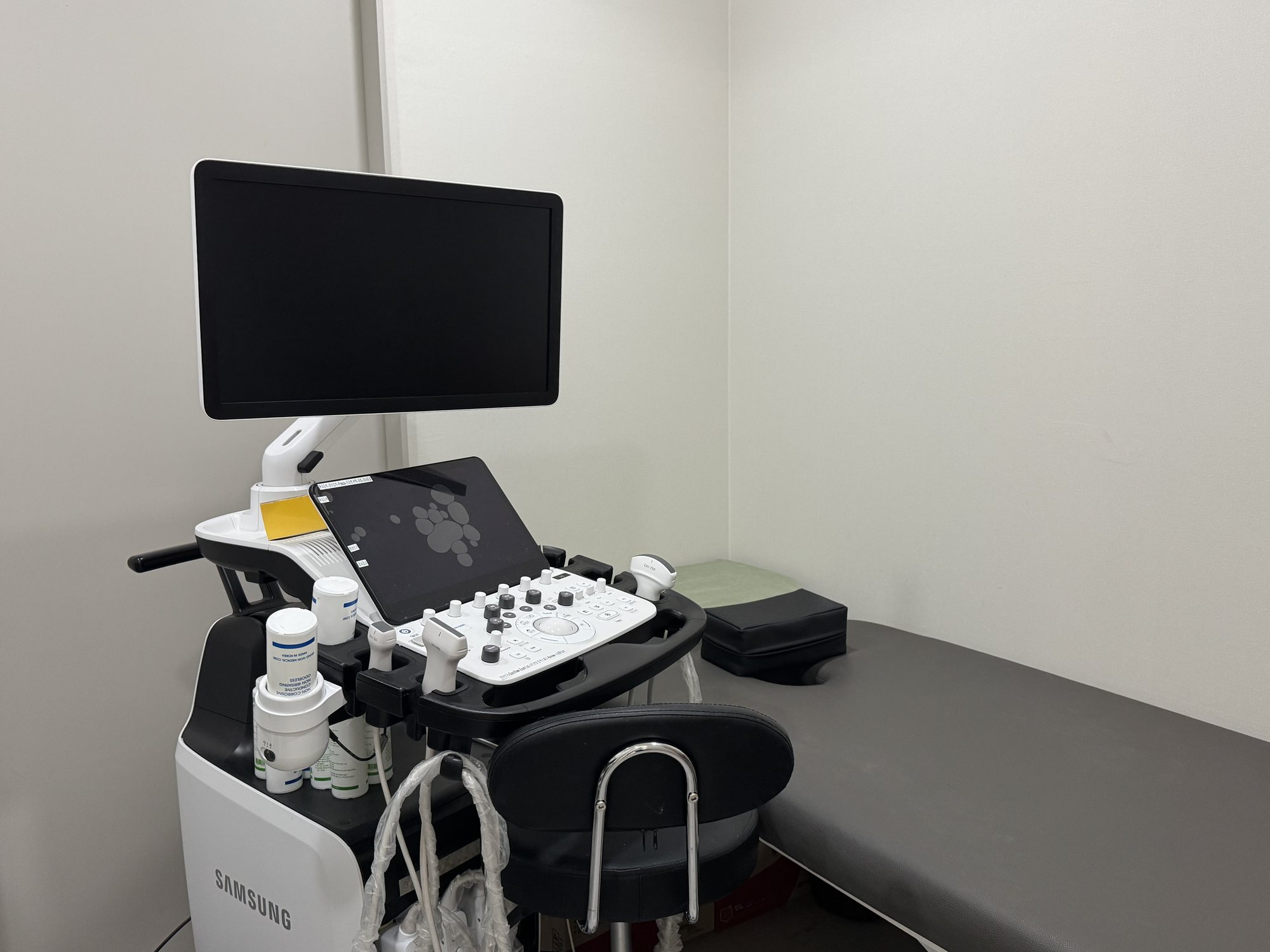
An abdominal ultrasound looks at the liver, gallbladder, pancreas and other organs without radiation. It's often used when pain sits under the right ribs or when liver numbers on a blood test are off.
Gastroscopy and colonoscopy
A gastroscopy, or upper GI endoscopy, uses a thin flexible camera to look at the oesophagus, stomach and the first part of the small intestine. NIDDK says it usually takes 10 to 20 minutes, that sedation through an IV is likely, and that you may be asked to avoid food and drink for up to 8 hours beforehand.
A colonoscopy looks at the large bowel and needs bowel preparation the day before. If you're fitting either one into a trip, our post on fitting a sedated gastroscopy into your week in Seoul covers fasting, medicines and when you can go sightseeing again.
Korean words that help on the day
Even with English support, these words turn up on signs, forms and appointment messages.
| Korean | Say it | Means |
|---|---|---|
| 소화기내과 | sohwagi naegwa | GI clinic |
| 내시경 | naesigyeong | Endoscopy |
| 위내시경 | wi naesigyeong | Gastroscopy |
| 대장내시경 | daejang naesigyeong | Colonoscopy |
| 수면내시경 | sumyeon naesigyeong | Sedated scope |
| 조직검사 | jojik geomsa | Biopsy |
| 용종 | yongjong | Polyp |
| 금식 | geumsik | Fasting |
Sumyeon naesigyeong literally means "sleep endoscopy", which is how Koreans usually say sedated endoscopy. If you want sedation, say so clearly when you book, because it also means you can't drive afterwards.
Why do preliminary and biopsy results arrive at different times?
There are two kinds of result after an endoscopy. What the doctor saw on the screen can be explained once you're awake. Anything that needs a microscope comes later.
If an abnormal area or a polyp is found, a small tissue sample may be taken during the same procedure. NIDDK notes that a pathologist examines the tissue and that biopsy results can take a few days or longer. In practice, the doctor explains the preliminary findings after the test, the biopsy or pathology result takes additional time, and follow-up care is arranged if needed.
If you're leaving Korea soon, ask before the test how the pathology result will reach you and who explains it. It also helps to keep a copy of the endoscopy report and any photos, so a doctor at home can see exactly what was found.
The gastroenterology route at Kwangdong Hospital
Kwangdong Hospital's Gastroenterology department covers reflux esophagitis, dyspepsia, gastritis, gastric and duodenal ulcers, irritable bowel syndrome, inflammatory bowel disease, diverticulitis and fatty liver. Sedated gastroscopy and colonoscopy, polyp removal and biopsy are part of the same department.
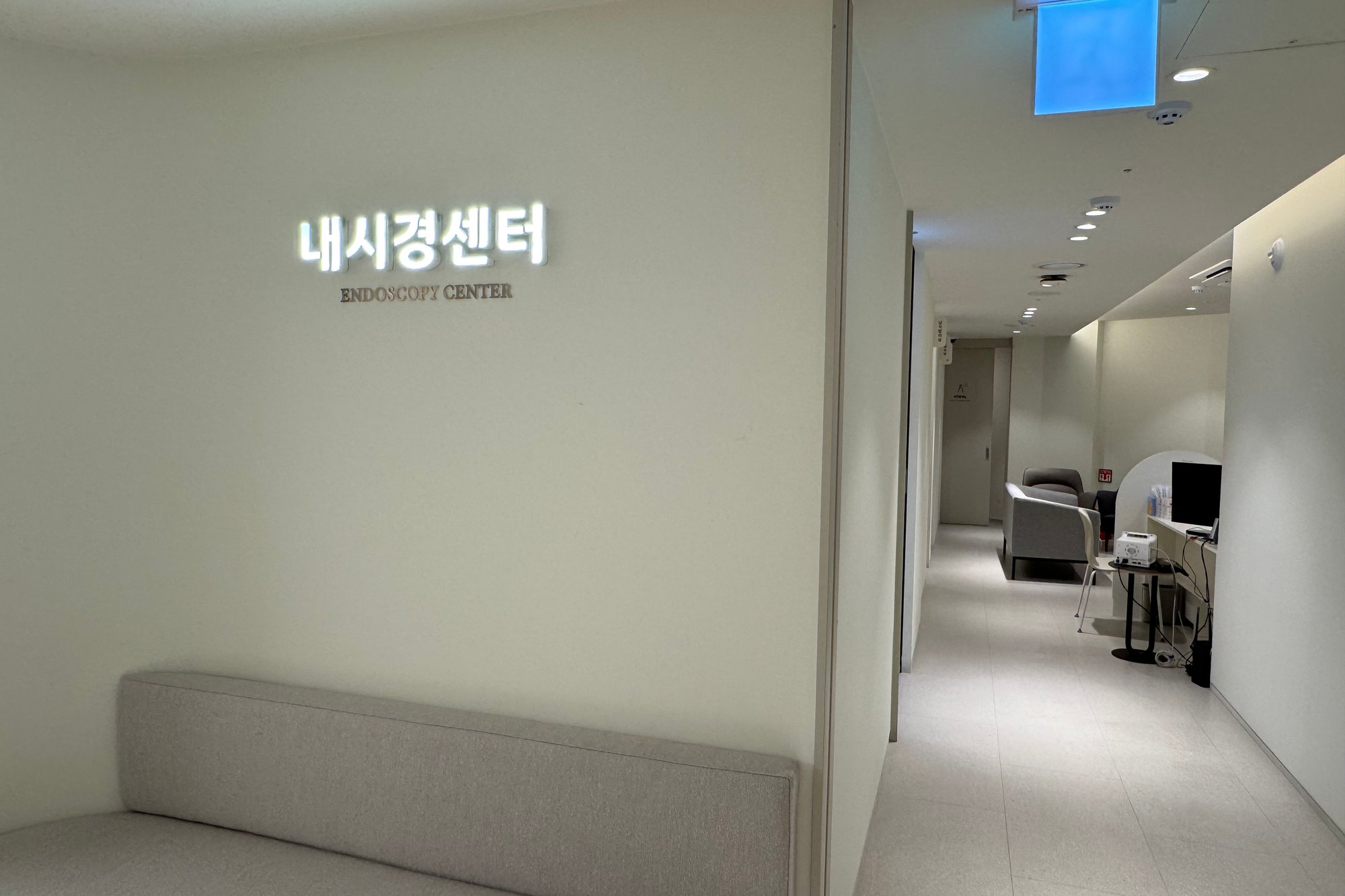
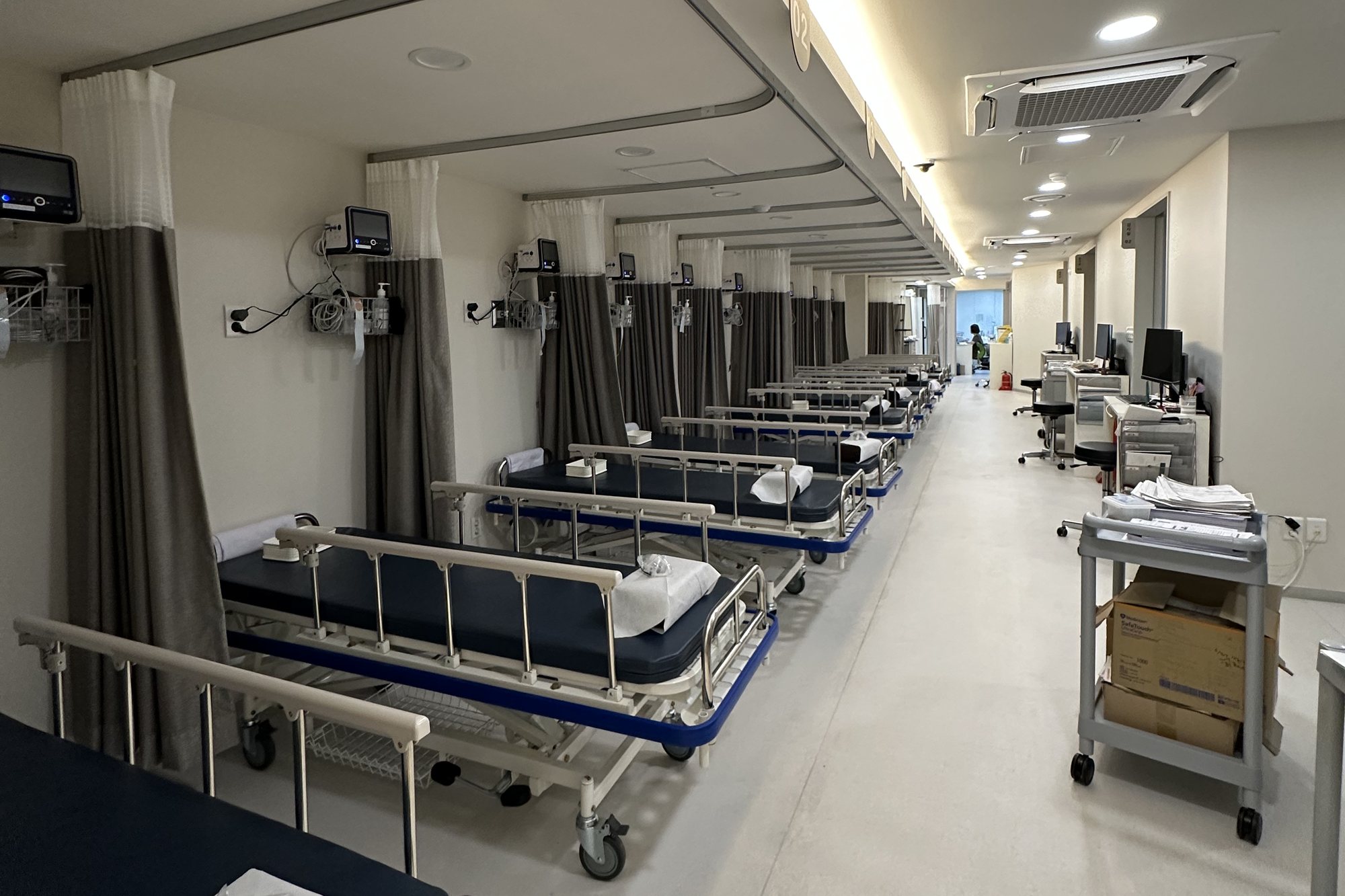
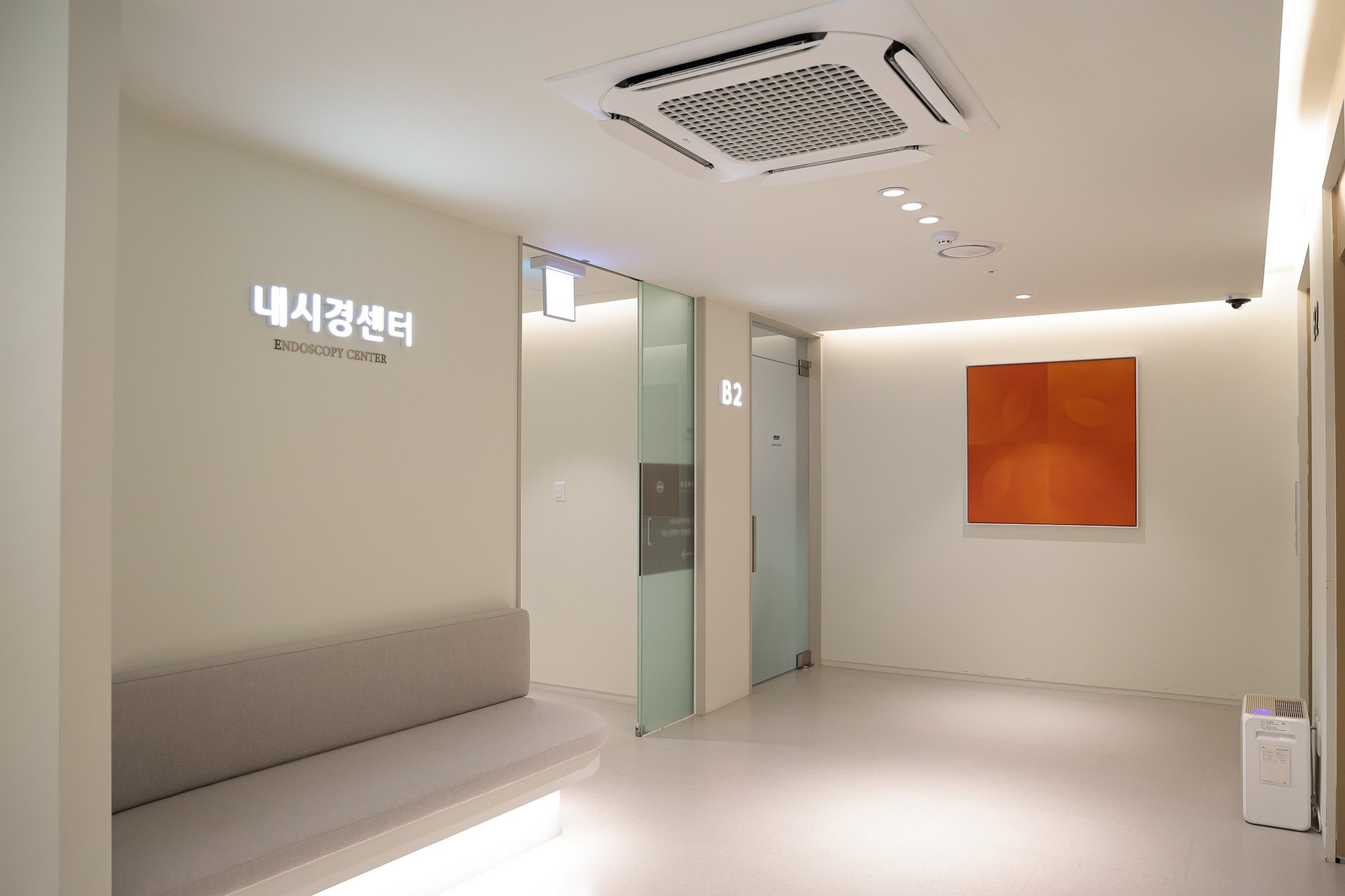
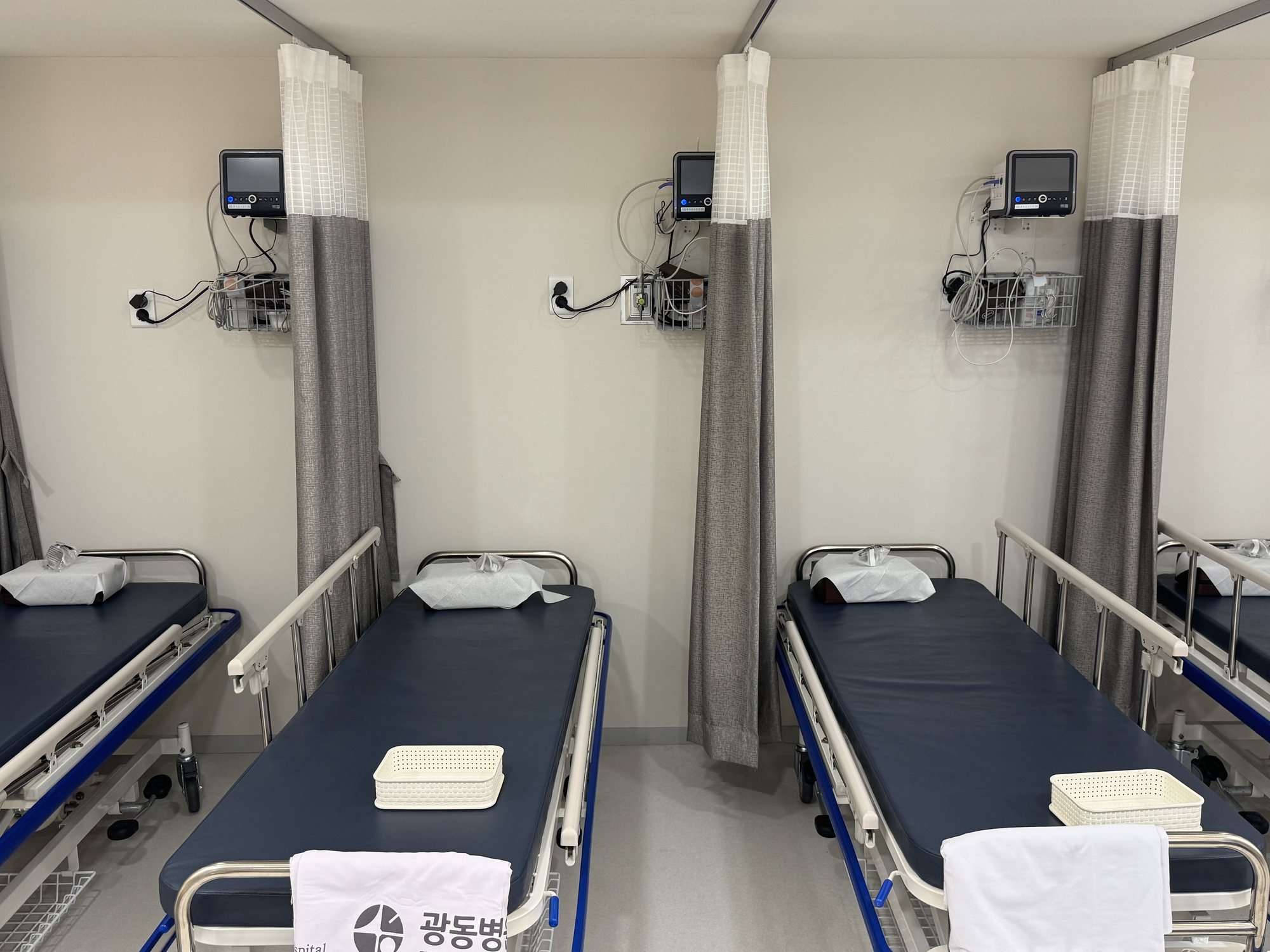
The Endoscopy Center is on B2, on the same floor as the Global Health Checkup Center, and imaging such as MRI, CT and ultrasound is in the same building. Before an endoscopy, the team reviews your symptoms and previous test history. During the procedure, the medical team monitors vital signs and sedation. Disinfection runs as a separate process, and images are checked again with a second reading by a specialist.
If a finding needs another department, you're referred inside the building. Kwangdong does not perform surgery, so when surgery or highly complex treatment is needed, patients are referred to partner university hospitals.
The hospital offers consultation and booking support in English, and interpretation can be arranged depending on the booking. It's at 612 Bongeunsa-ro in Gangnam, one minute from Bongeunsa Station, Exit 5, open weekdays 09:00 to 17:30 and Saturdays 09:00 to 13:30. The Endoscopy Center page (English) has more on the clinics there, and the visit page (English) has directions.
To book, message the international team on WhatsApp with your main symptom, how long you've had it, and a photo of any earlier endoscopy or blood test report. Whether you need a test, which one, and when, are decided by the doctor after the consultation.
Frequently asked questions
Can I see a gastroenterologist in Korea without a referral?
At most clinics and hospitals you can book gastroenterology directly. Large tertiary hospitals may ask for a referral letter if you are enrolled in Korean national health insurance, so check when you book.
Do I have to be sedated for a gastroscopy?
No. Many people choose sedation, and some have the test without it. If you are sedated, plan for someone to accompany you or for transport, and don't drive afterwards.
Should I stop my medicines before an endoscopy?
Don't stop anything on your own. Tell the doctor about every medicine and supplement, especially blood thinners and diabetes medicines, and follow the instructions you get when the test is booked.
How long do biopsy results take?
Longer than the preliminary findings. NIDDK says biopsy results can take a few days or longer. Ask before the test how you'll receive the result if you are leaving Korea.
Is an H. pylori test part of a gastroscopy?
It can be checked during a gastroscopy, or separately with a blood, breath or stool test. Which test makes sense depends on your symptoms and history, and the doctor will explain the choice.
Sources
- Indigestion · NHS
- Diagnosis of Peptic Ulcers (Stomach or Duodenal Ulcers) · National Institute of Diabetes and Digestive and Kidney Diseases (NIDDK), NIH
- Upper GI Endoscopy · National Institute of Diabetes and Digestive and Kidney Diseases (NIDDK), NIH
Written with AI assistance from Kwangdong Hospital's published center and program information and the medical sources listed. Not yet reviewed by a physician.