Tension headache vs migraine: telling them apart, which doctor to see, and when it's an emergency
Where the pain sits, whether it throbs and whether you can keep moving tell tension headache and migraine apart. This post compares them, lists the red flags that need emergency care, and explains which doctor to see in Seoul.
Think back to your last three headaches. Where did the pain sit, did it throb or press, and did you carry on with your day or lie down in a dark room? Those three answers settle most of the tension headache vs migraine question before you ever see a doctor. This post walks through the differences, which kind of doctor to see in Seoul, and the warning signs that mean you should skip the appointment and get emergency care now.
Tension headache vs migraine, side by side
The International Classification of Headache Disorders (ICHD-3), which doctors use to diagnose headaches, describes the two quite differently.
| Sign | Tension | Migraine |
|---|---|---|
| Where | Both sides | Often one side |
| Feel | Pressing, tight | Throbbing |
| Strength | Mild to moderate | Moderate to severe |
| Walking, stairs | No worse | Worse |
| Nausea | No | Common |
| Light, sound | One at most | Often both |
| Length | 30 min to 7 days | 4 to 72 hours |
The World Health Organization describes tension-type headache as pressure or tightness, often like a band around the head, sometimes spreading into or from the neck. Migraine, by contrast, tends to make you want to stop moving. Routine activity makes it worse, and many people feel sick or vomit.
The clues people get wrong
A stiff neck is not proof of a tension headache. The NHS lists a stiff neck among the early symptoms of a migraine attack, along with tiredness, yawning, food cravings and mood changes, sometimes starting hours or up to two days before the pain.
Aura is another clue. Some people see zigzag lines or flashing lights, or feel pins and needles, dizziness or trouble speaking before a migraine. The NHS says aura should not last longer than an hour.
You can also have both. ICHD-3 notes that frequent tension-type headache often exists alongside migraine without aura, and that a headache diary is the most reliable way to tell your own headaches apart, because the treatments for each differ considerably.
Red flags that need emergency care now
Most headaches are not dangerous, and the NHS says most go away on their own. Some combinations are different. Based on the NHS, get emergency help straight away, which in Korea means calling 119 or going to an emergency department, if a headache comes with any of the following.
- It started suddenly and is extremely painful.
- Weakness or numbness in the face, an arm or a leg, especially on one side.
- Difficulty speaking, walking, balancing or remembering things, or drowsiness or confusion.
- Loss of vision, or blurred or double vision.
- A seizure.
- A very high temperature with a stiff neck or a rash that doesn't fade when a glass is pressed on it.
- A head injury in the last three months.
The NHS also advises not driving yourself. Ask someone to take you or call for an ambulance, and bring the medicines you take.
Other signs need a doctor soon rather than an ambulance. The NHS lists a headache that is triggered or made worse by coughing, sneezing, bending or exercise, headache with vomiting or eye problems, and headache with jaw pain when eating or a tender scalp. For migraine specifically, it advises urgent help if an attack lasts longer than 72 hours, if aura lasts more than an hour, or if you are pregnant or have just had a baby.
Which doctor should you see for headaches?
For recurring headaches without red flags, a family doctor or general practitioner is a reasonable first stop, and the NHS suggests seeing one if you regularly get headaches or self-care isn't working. For migraine it adds a few clearer triggers, such as attacks more than once a week, attacks that are getting worse or lasting longer, or headaches you are struggling to control.
The specialist for headache is a neurologist. In Korea you can usually book a neurology clinic directly, which suits people who already know their headaches are a pattern rather than a one-off. Kwangdong Hospital's find by symptom page sends "I keep getting headaches" to Neurology and the Brain Health & Dementia Center.
The painkiller trap
The WHO describes medication-overuse headache as the most common secondary headache disorder, caused by taking headache medicine too often. It tends to happen on more days than not and is often worst on waking. The NHS suggests not taking painkillers for more than two days a week for migraine, because it can make headaches more frequent and harder to treat.
If you have been reaching for tablets most days, that is worth telling a doctor even if each headache feels mild.
What Kwangdong's neurology team looks at
Kwangdong's Neurology department lists migraine, tension-type headache, cluster headache and hard-to-treat headache among the conditions it sees. Its headache clinic material says headaches are looked at together with general health rather than as an isolated problem, and that a new headache or a severe one may need investigation for brain conditions such as bleeding, tumour or meningitis.
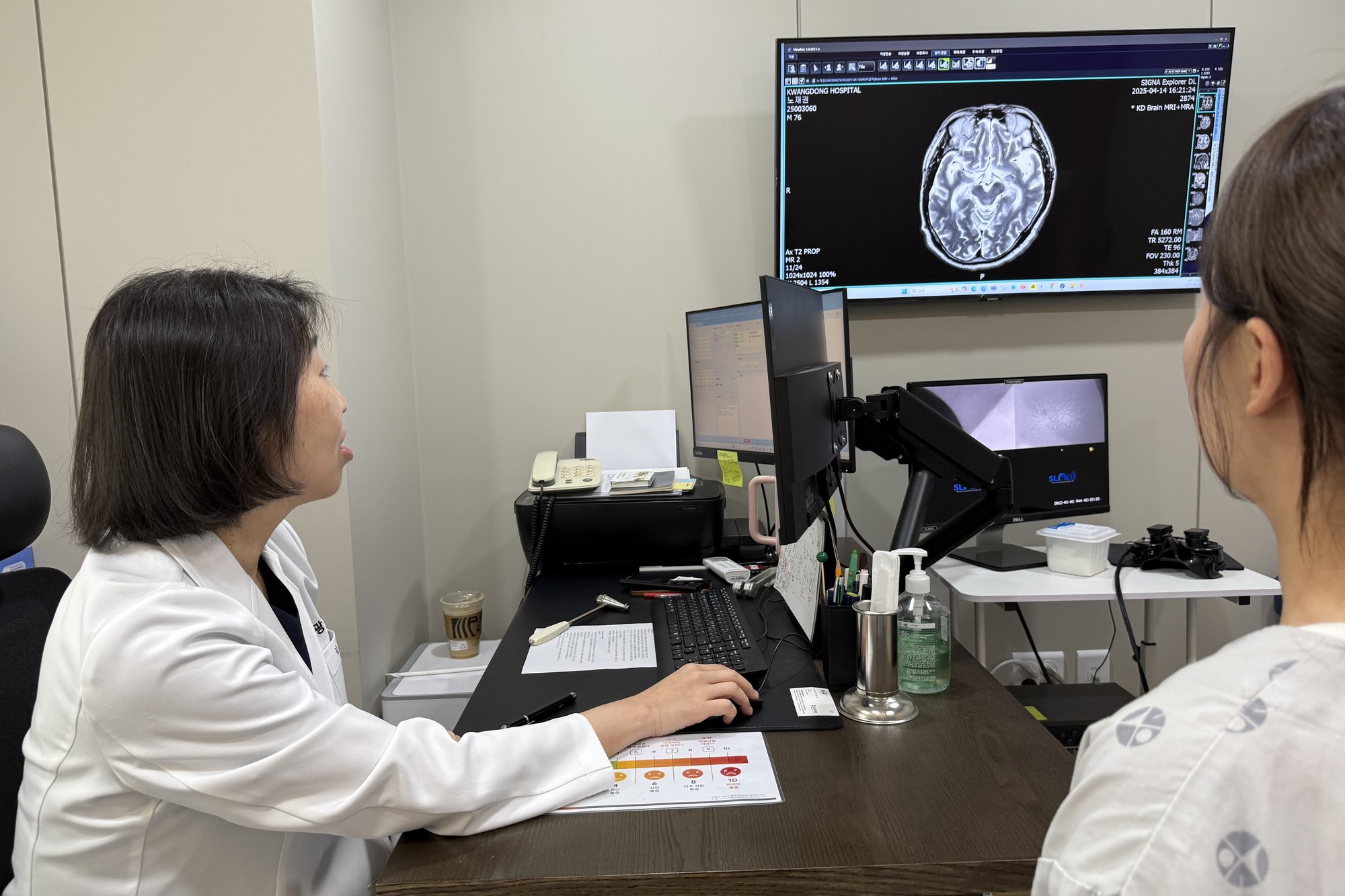
The tests the clinic lists include a detailed history and neurological examination, brain MRI and MRA, blood tests, ultrasound of blood flow to the brain, autonomic nervous system testing, neck X-rays, hearing tests, nerve conduction studies and EEG. Treatments it lists include medicines and injections such as CGRP-blocking injections, botulinum toxin treatment, occipital nerve blocks, and same-hospital care with the pain clinic for headaches linked to neck disc problems. Which tests or treatments you need is a decision for the neurologist after the consultation.
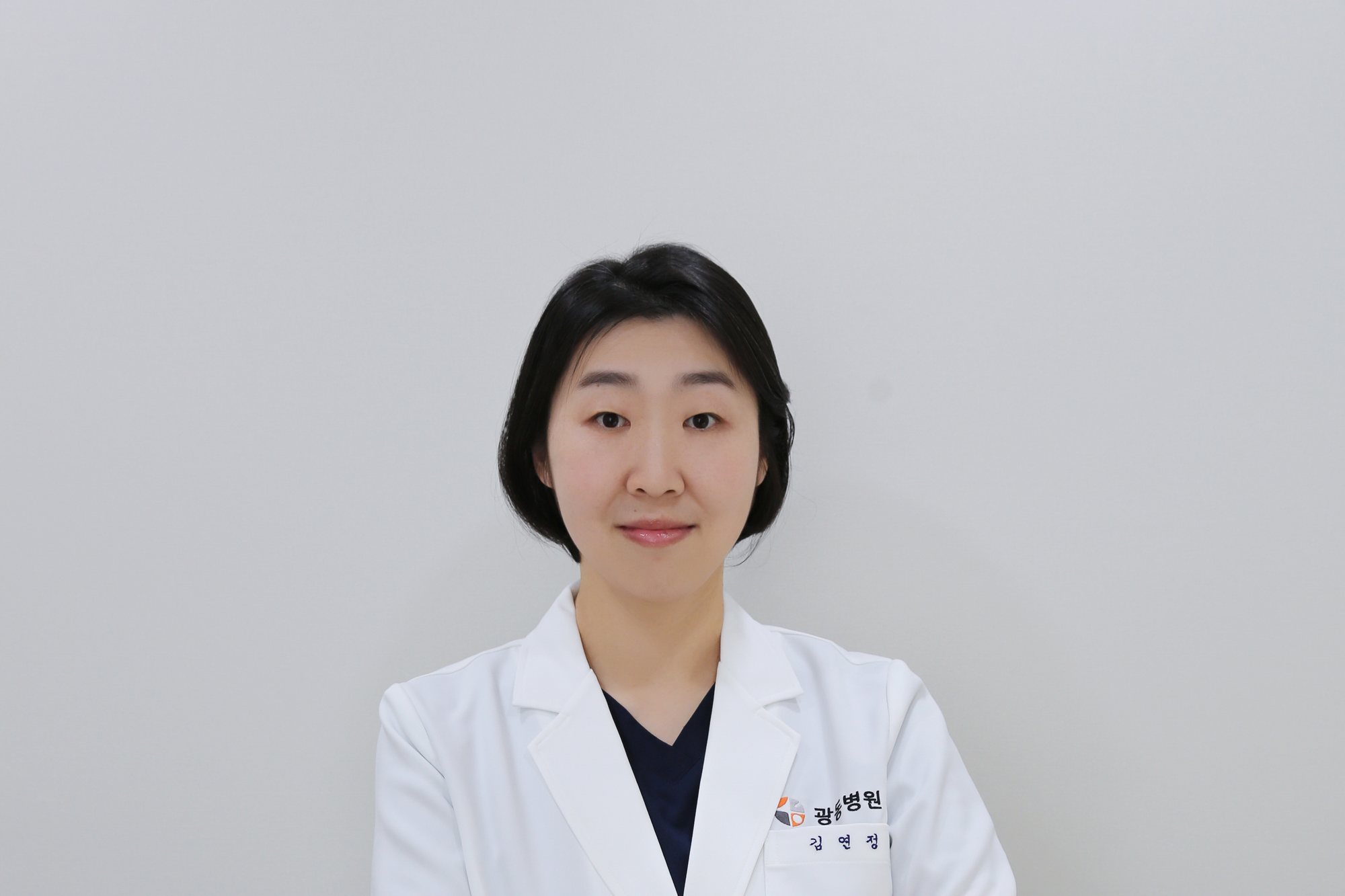
Headache is among the listed areas of Dr. Yeon-Jeong Kim, the neurologist who leads the Brain Health & Dementia Center and an adjunct professor of neurology at Asan Medical Center. If you are wondering whether a scan is needed at all, our post on when a brain MRI makes sense covers that question.
Keep a headache diary before your appointment
ICHD-3 recommends a diary because a few weeks of notes usually tell a doctor more than a description from memory. Write down the date and time each headache starts and ends, where it hurts and whether it throbs or presses, how bad it is out of 10, what you were doing, any nausea or sensitivity to light and sound, what you took and whether it helped. Note your period if relevant, and your sleep, meals and caffeine.
The hospital is at 612 Bongeunsa-ro, Gangnam, one minute from Bongeunsa Station Exit 5. Hours are 09:00 to 17:30 on weekdays and 09:00 to 13:30 on Saturdays, closed on Sundays and public holidays. Booking details are on the visit page. A routine neurology appointment is not the place for red flag symptoms, so for those, call 119.
Frequently asked questions
How can I tell a tension headache from a migraine?
Tension-type headache is usually on both sides, pressing or tight, mild to moderate, and not made worse by walking or stairs. Migraine is often one-sided and throbbing, moderate to severe, worse with activity, and comes with nausea or sensitivity to light and sound. A diary over a few weeks makes the pattern much clearer.
Can you have tension headaches and migraines at the same time?
Yes. ICHD-3 notes that frequent tension-type headache often coexists with migraine. Identifying both matters because the treatments differ, and a headache diary is the usual way to sort them out.
Should I see a neurologist or a general doctor for headaches?
A general or family doctor is a reasonable start for occasional headaches. If headaches are frequent, getting worse, not controlled by usual treatment, or you suspect migraine, a neurologist is the specialist for headache disorders. In Korea you can usually book neurology directly.
When is a headache an emergency?
Get emergency help if a headache is sudden and extremely painful, or comes with weakness or numbness, trouble speaking or walking, confusion, loss of vision, a seizure, a high fever with a stiff neck or rash, or after a recent head injury. In Korea call 119 or go to an emergency department, and don't drive yourself.
Can taking painkillers too often cause more headaches?
Yes. The WHO describes medication-overuse headache as the most common secondary headache disorder. The NHS suggests not taking painkillers for migraine on more than two days a week, and frequent use is worth discussing with a doctor.
Sources
- 2.2 Frequent episodic tension-type headache · International Headache Society (ICHD-3)
- 1.1 Migraine without aura · International Headache Society (ICHD-3)
- Migraine · NHS
- Headaches · NHS
- Migraine and other headache disorders · World Health Organization
Written with AI assistance from Kwangdong Hospital's published center and department information and the medical sources listed. Not yet reviewed by a physician.