Assessment 01COGNITION
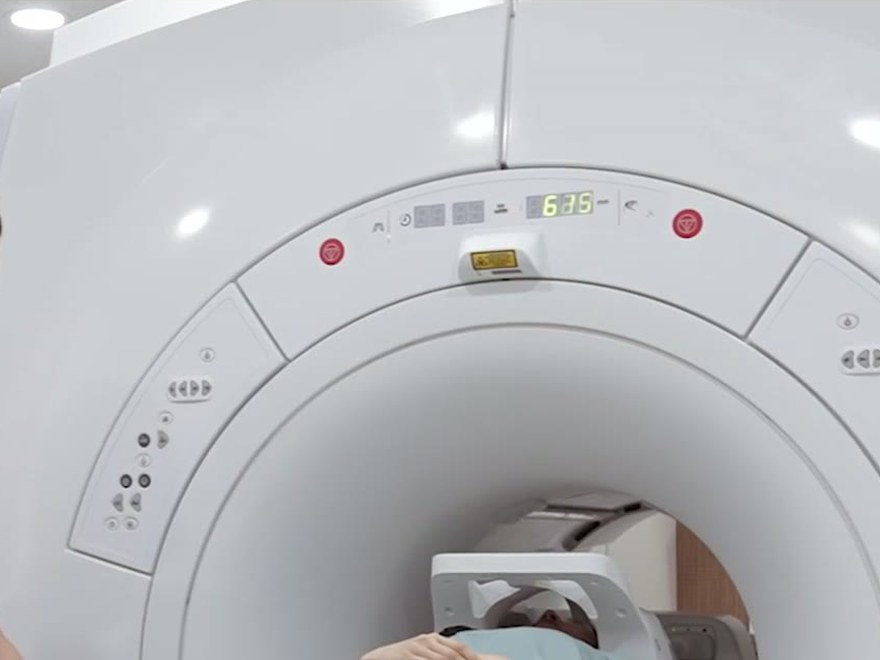
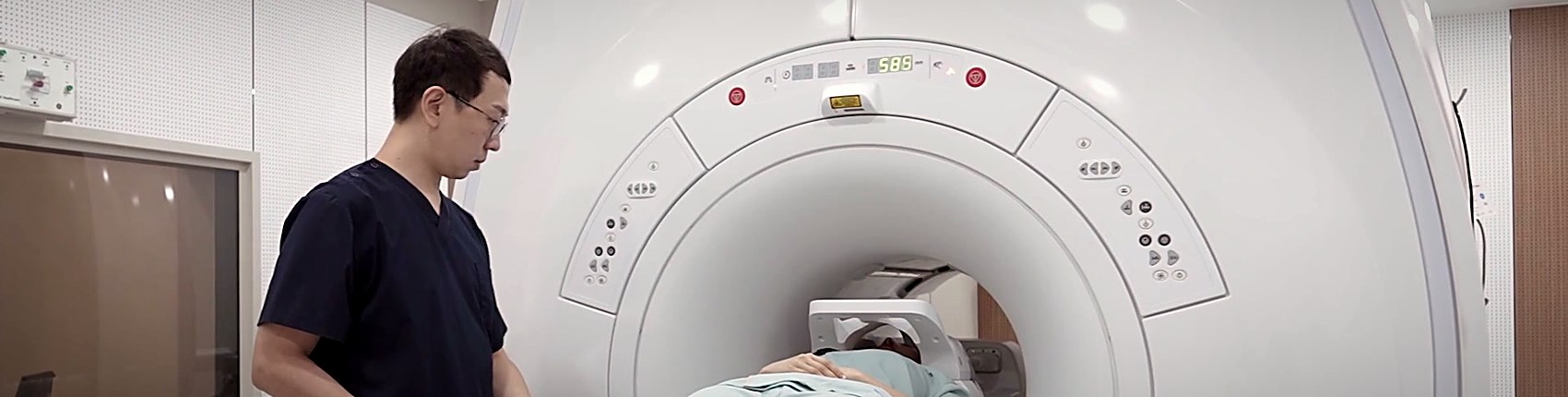
Cognitive and daily function assessment
- Consultation with you and your caregiver, and medical history
- Cognitive function tests and assessment of daily function
- Review of related factors such as sleep, mood and medications
From the first step of checking brain health,
to treatment and steady care.
Whether you want to check early or are worried about changes in your memory. With neurology at the center, we connect testing, treatment, rehabilitation and continuing care.
Those who want to check early, those who feel different from before, those who need care after a diagnosis. You can begin from the start, at Kwangdong Hospital.
For those who want to review their current cognition and lifestyle and prepare for the health care ahead.
For those whose tests say normal but whose discomfort continues, or who worry about changes in daily life.
For those who, after a diagnosis of mild cognitive impairment (MCI) or dementia, are preparing the treatment that fits them and the care their family will give.
Which tests you need, how to understand the results, and what to do afterward. More important than a single test is the next step that fits the result.
We check your health status and any changes.
We interpret the test results and their cause.
We decide on preventive care, or treatment and rehabilitation.
We follow your progress and adjust the plan.
Treatment is not decided from checkup results alone. When needed, a neurology visit and further assessment set the direction of care.
More important than a single test
is the next step that fits the result.
Neurologist Dr. Yeon-Jeong Kim stands at the center of diagnosis and treatment planning, looking at each patient’s cognitive function and daily life together.
Research activities listed on the hospital’s official website. Individual study results do not guarantee the treatment effect of the center’s programs as a whole. Full profile ↗
We look at cognitive function, brain imaging and changes in daily life together. Rather than running every test at once, we guide you to the tests you need, matched to the purpose of the visit and your current condition.
When the tests are done, we go over the results together. We explain your current condition, whether further care is needed, and the next steps in your care.
We do not judge by age alone, or by a single test result. Considering your current condition, changes and daily life together, we look at not only memory but how you function in daily life.
We review your results, lifestyle and other conditions, then guide daily care such as exercise, nutrition and sleep.
If tests are normal but discomfort continues, we review sleep, mood and medications and set a time for reassessment.
We follow changes with cognitive rehabilitation, risk factor management and repeat cognitive assessments.
We plan medication, cognitive and physical rehabilitation, caregiver counseling and follow-up assessments together.
The categories above are a guide to understanding directions of care, not sequential stages or criteria for self-diagnosis.
The treatment and care options are still under medical review and not yet finalized. The actual items, methods and frequency are explained individually after your visit. Lecanemab requires an eligibility assessment and safety monitoring such as MRI, and treatments such as TMS are not offered to the general public for blanket prevention. The whole-body items are not presented as preventing dementia or improving cognitive function.
Neurology oversees diagnosis and treatment planning, and brings in the departments you need, considering cognitive function, physical function and other conditions together.
Several departments take part as needed. Not every patient visits every department, and the detailed scope of each department will be announced once finalized.
Sleep and mood, chronic conditions, lifestyle and family caregiving. We check your current condition and progress and adjust the care plan.
We look at sleep problems, depression and anxiety, and medications together.
Hypertension, diabetes and dyslipidemia are managed with Geriatric and Internal Medicine.
We guide care that fits your physical function and living environment.
We listen to the changes your family has noticed and guide them on caregiving.
We check cognitive function, daily function and response to treatment, and adjust the timing of reassessment.
Open a clinic for its tests, treatments and doctors, or a condition below for symptoms and causes.
The Brain Health Checkup is not only for those suspected of dementia. We keep the checkup that reviews your health separate from center care based on its results, and connect the two.
Videos, columns, press coverage and patient stories published by Kwangdong Hospital that relate to this center. Tap to go to the original. Linked content is in Korean.
Cases of the changes family members notice first. Here are the criteria for recommending a test.
What the new drug can and cannot do, with expectations and limits explained separately.
When to be tested, by age and family history. Includes self-check items.
What you can do before a diagnosis. Covers the practical items of lifestyle management.
Remembering when given a hint versus losing the event itself. The line between the two.
Who qualifies for treatment, and the imaging and blood tests to check beforehand.
A list of what those without a diagnosis can start doing today.
The test composition featured on the show, explained item by item.
Linking checkup, diagnosis, treatment and care inside one building led to the certification.
How diagnosis, administration and follow-up are linked along one route.
How the drug works and how care changed after its introduction in Korea.
A record of a public lecture for family caregivers.
A patient’s own account of the path from tests to the results consultation.
Titles, dates and sources are carried over exactly as posted on Kwangdong Hospital’s official boards.
From the first worry
to steady care for everyday life.