Step 01
Precision diagnosis package
1 SET
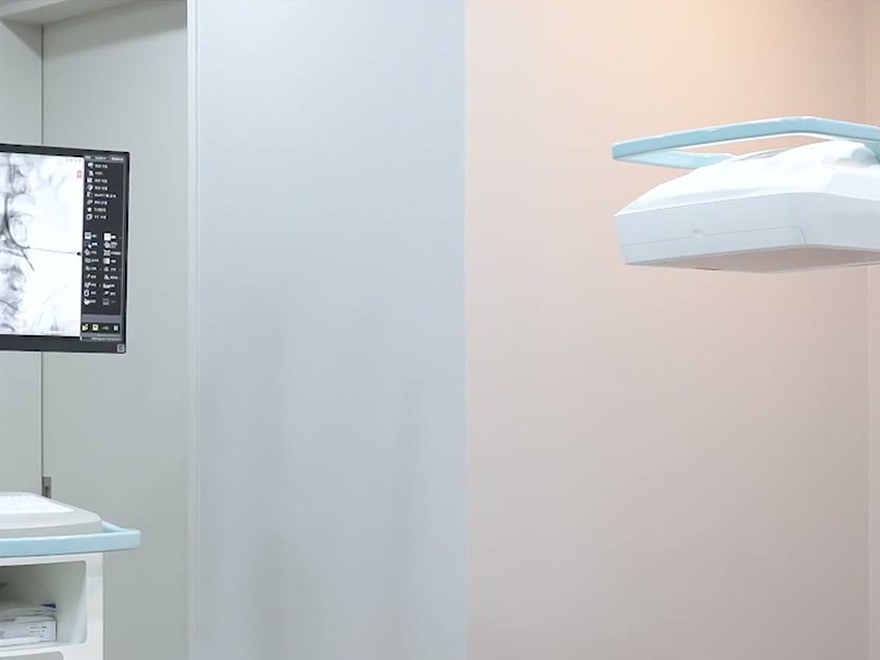
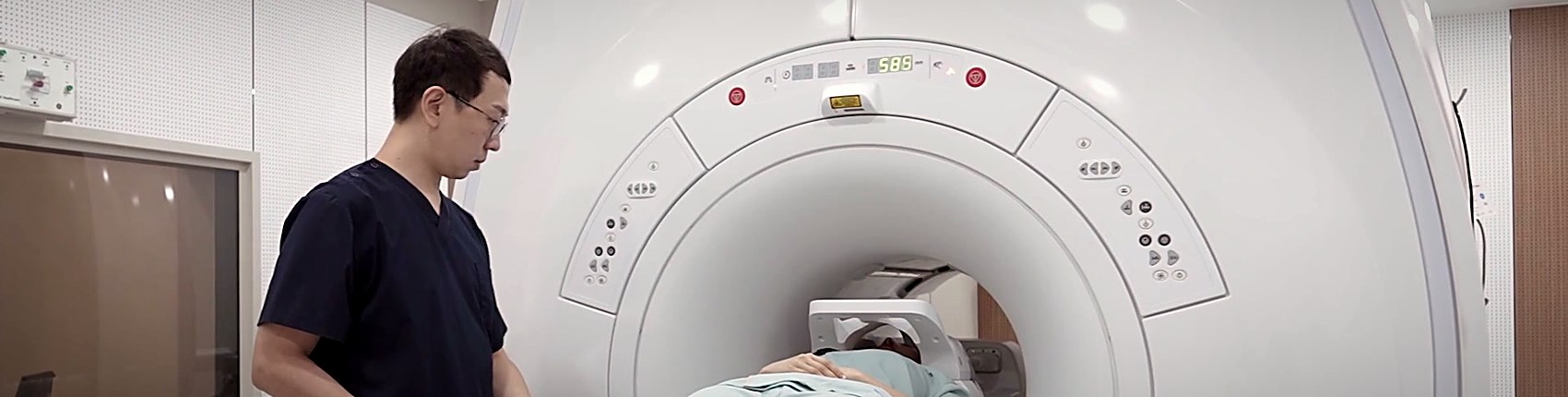
- X-ray · MRI · CT imaging
- Autonomic nervous system testing
- Pain-related blood tests (inflammation · biomarkers)
- In-depth history and sarcopenia assessment
Three months of pain,
and still the same treatment
every time?
Pain that lasts more than three months often involves problems of the nerves, muscles and immune system together. Kwangdong Hospital does not stop at switching the pain off for a while; treatment continues through the recovery of damaged tissue and movement.
When the same area keeps hurting, it is a sign that the cause is still there.
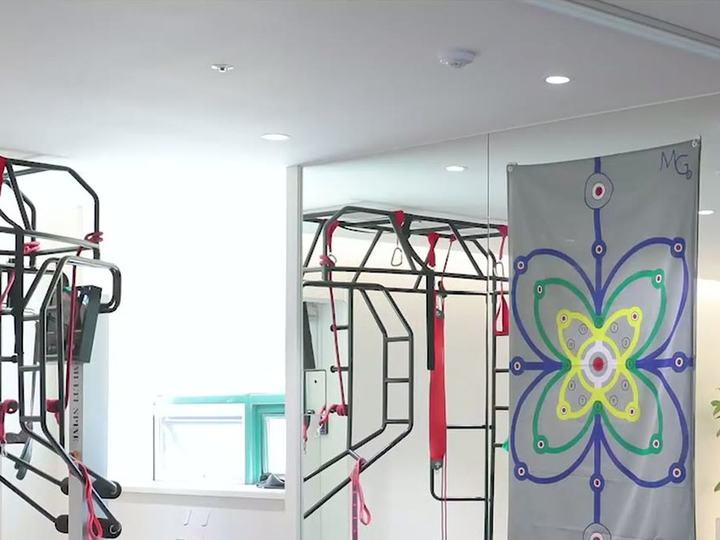
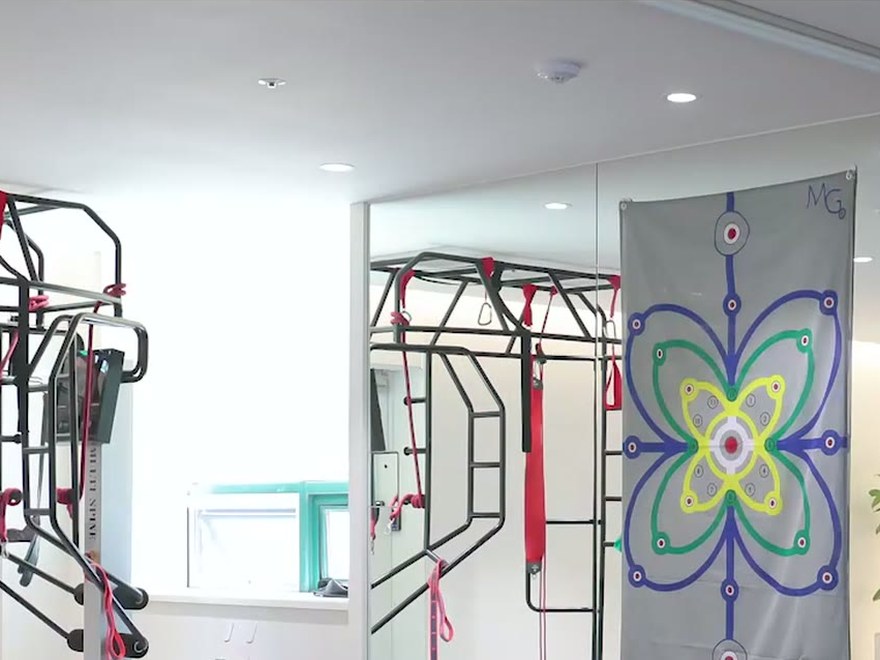
Assessment → treatment → rehabilitation → return, all in one course. Your condition is recorded and the plan adjusted at every session.
The composition and duration may be adjusted to the individual after consultation. Non-covered items are included; details are provided at the time of reservation. Fees may vary with the test schedule and insurance coverage.
Treating pain is not about adding medication,
but about rebuilding the capacity to recover.
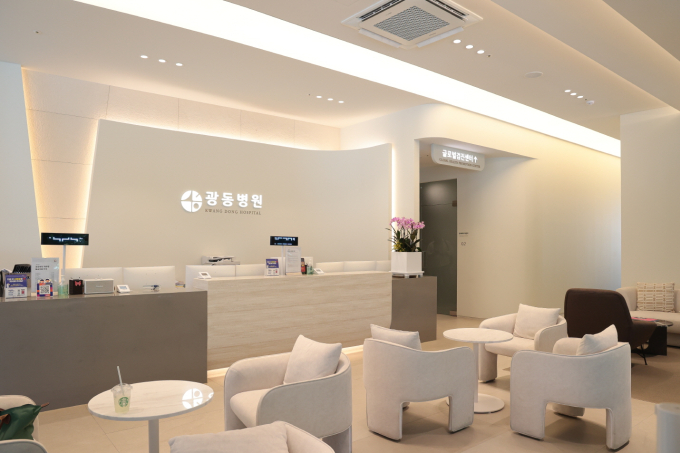
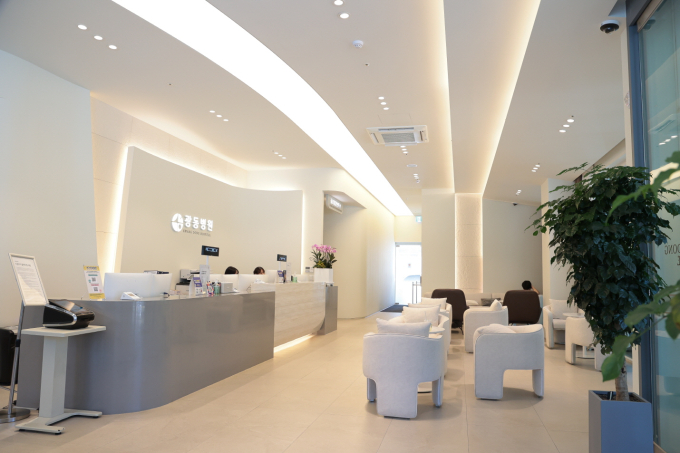
It all continues inside one building. You never leave for a test or a consultation.
We start by listening to where you have been treated, how, and how you responded.
Imaging, autonomic testing, inflammatory blood work and sarcopenia assessment. Unnecessary tests are avoided.
Non-steroidal treatment encourages damaged tissue to recover.
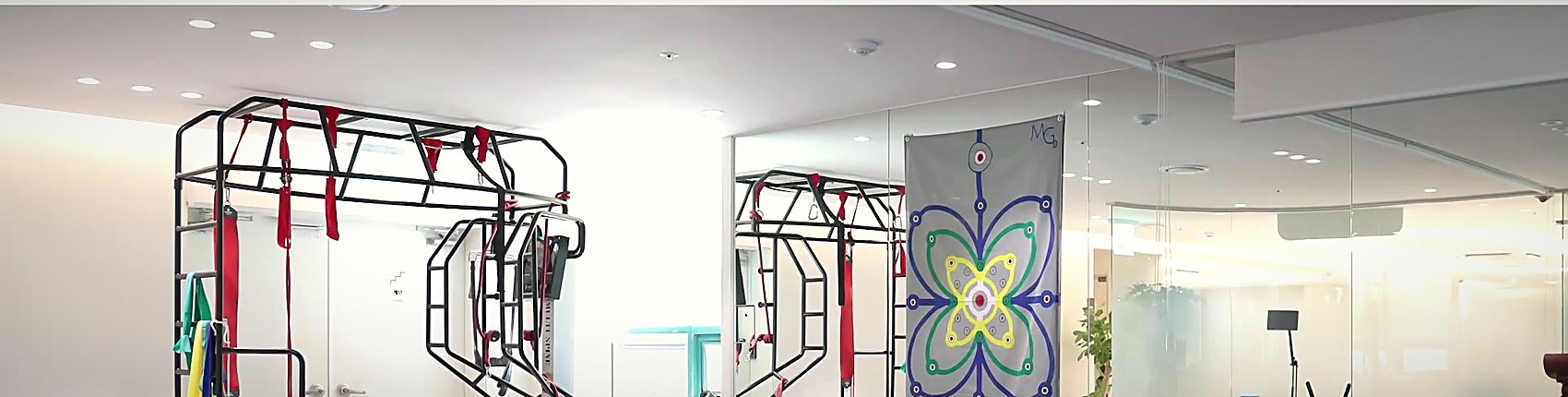
Re-educating whole-body movement, not just the painful area, to reduce recurrence.
Pain, function and body composition are re-measured, and the treatment plan is reset with other departments if needed.
From Kwangdong TV videos, press coverage and patient stories, we picked only those related to this program. Articles written by our doctors are in 05 Journal just below. Linked content is in Korean.
It starts by separating where it hurts from what made it hurt.
Indications and limits are explained together. It is not a treatment for every kind of pain.
Built around movements you can check and follow at home.
The criteria for sarcopenia and how to check yourself.
On where the fork between early and chronic lies.
Coverage of the chain reaction that posture sets off.
A contribution that treats muscle loss as a disease.
A video in which the patient describes rehabilitation after surgery in their own words.
The center with the most patient stories, with records collected stage by stage.
All videos, press items and stories here are material Kwangdong Hospital has already made public, and titles, dates and sources are carried over as in the original. Linked content is in Korean.
Articles explaining how Rehabilitation Medicine looks at and treats chronic pain.
“아침에 침대에서 내려와 첫발을 디딜 때 발뒤꿈치가 '찌릿'했던 경험 있으신가요?”
Read (Korean)→“팔을 들어 올릴 때 어깨가 찌릿하거나, 옷을 갈아입을 때 불편하고, 밤마다 어깨 통증 때문에 잠에서 깨는 경우가 있습니다.”
Read (Korean)→“목이나 허리, 어깨, 무릎이 아플 때 흔히 주사치료를 고려하게 됩니다.”
Read (Korean)→“주사 치료를 자꾸 받으면... 부작용이 생기거나 몸에 무리가 가지 않나요?”
Read (Korean)→“여러 병원을 다녀봐도... 정확한 원인을 모르겠다고 하네요.”
Read (Korean)→“진통제를 먹고 치료를 받아도.. 왜 자꾸 허리랑 어깨가 아플까요?”
Read (Korean)→All articles here were published on the Kwangdong Hospital blog. Linked articles are in Korean.
Not treatment that switches pain off,
but treatment that restores.