Programs

Brain Health Checkup

Brain Health Checkup
Program / No.02 / Brain Health & Dementia Center

Brain health, too,
begins with knowing
where you stand.

Whether you simply want a check without any symptoms or your memory feels different from before, we look at where you are now and find the care direction you need.

ProgramNO.02Brain Health Checkup
CenterBrain Health & Dementia CenterLed by Neurology
Floor3F · B1
LeadDr. Yeon-Jeong KimResults reviewed by a neurologist
FormatComposed individually after consultationScope and fees explained at consultation
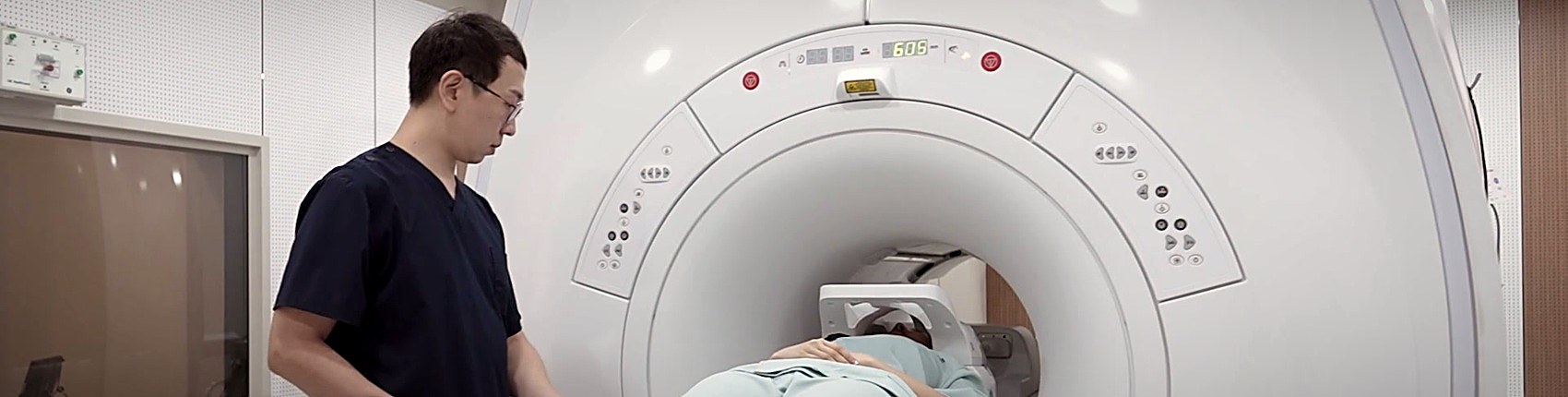
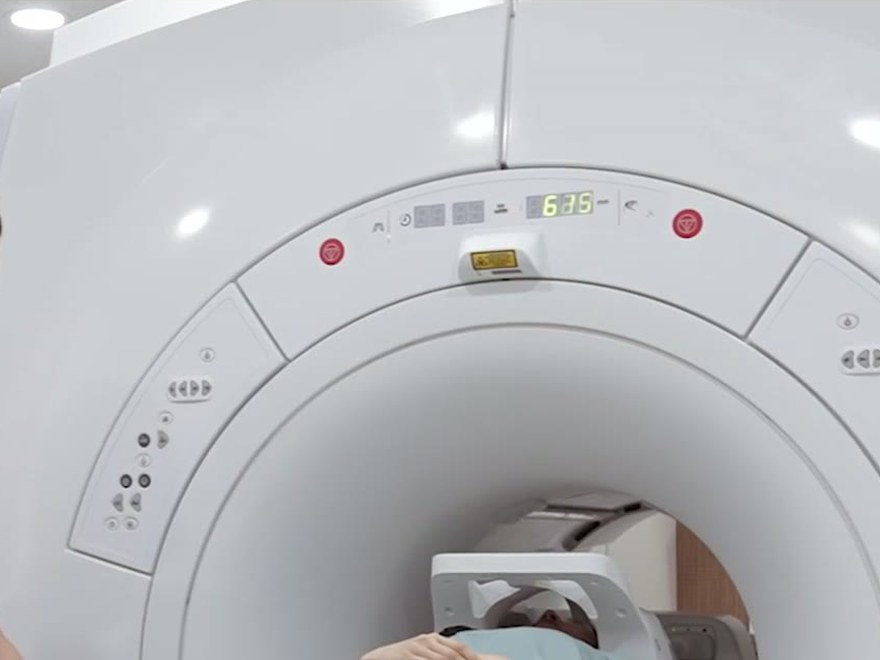
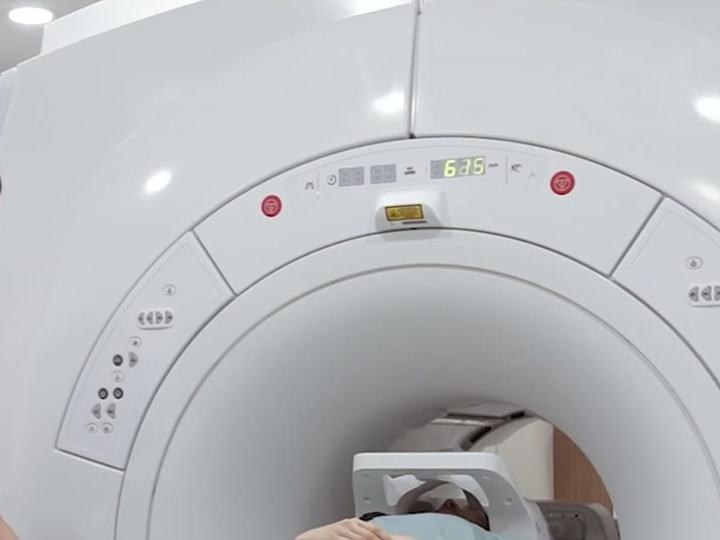
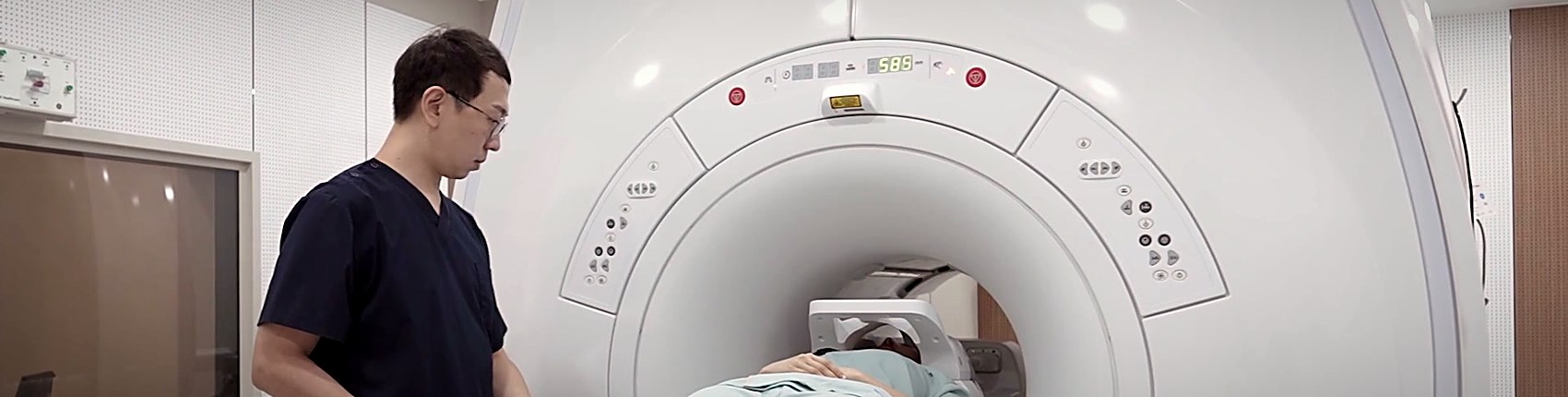
B1 Imaging Center: a technologist positions a patient’s head in the coil to prepare for a brain MRI
3F · B1/B1 Imaging Center · Preparing for a brain MRI
What the checkup looks at

Now, together,
and what comes next.

Whether a checkup is needed, and how far it should go, is decided individually in consultation. Assessing your current state, a results consultation with the doctor, and connection to the care you need are all one checkup.

Now
How are your memory and cognition right now?

We assess your current cognition: memory, attention, language and more.

Together
What in your lifestyle and health should be looked at?

Sleep, mood, medications and other conditions are reviewed together.

Next
What care will you need going forward?

We set a care direction based on the results, and connect you to treatment if needed.

Who this checkup is for

The reasons differ,
but it starts with knowing where you are now.

This is not a checkup only for when dementia is suspected. We look at your current state and your health goals together.

Early checkNo particular symptoms, but

You want to review your current cognition and lifestyle, and prepare for the years ahead.

Healthy agingIf you lack the energy you once had

The changes that come with age concern you, and you want to discuss brain health alongside overall health.

Family history · Risk factorsIf family history is on your mind

You have a family history or known risk factors, and want to know where you stand and how to manage it.

Changes in memoryIf your memory is not what it was

You forget things more often or feel your focus has changed, and want to look into it.

What is assessed

Not just memory,
but everything that goes with it.

Cognition, related health factors and, when needed, brain imaging. We recommend an assessment scope that fits your purpose and current state.

Check 01COGNITION

Current cognitive function

  • Specialist consultation · Medical history
  • Cognitive screening · Detailed cognitive assessment
  • Daily functioning and family observations
  • Screening tests such as MMSE and MoCA, or detailed assessments such as SNSB and LICA, are chosen according to the clinical purpose.
Check 02LIFESTYLE

Lifestyle and general health

  • Sleep, mood and related assessments
  • History of hypertension, diabetes, dyslipidemia and others
  • Blood tests as needed and nutritional status
  • Blood tests for health factors linked to cognitive decline are considered at the doctor’s discretion.
Check 03IMAGING

Brain and cerebrovascular status

When needed
  • Brain MRI
  • Cerebrovascular MRA
  • Image reading and explanation by the doctor
  • Pre-scan checks such as metal in the body, implanted devices and surgical history are explained when you book.
OptionalApoE genetic test
OptionalElectroencephalography (EEG)
OptionalAmyloid-related blood test
OptionalAI brain image analysis

Additional tests are considered only when needed. They are not basic tests for everyone; availability, eligibility and the scope of interpretation are confirmed by the doctor. We do not offer amyloid-related blood tests as routine screening for people without symptoms or as a stand-alone means of diagnosis. A genetic risk factor is not a dementia diagnosis, and genetic testing requires a pre-test explanation, consent and a results consultation. A checkup alone cannot detect every brain disease or predict whether dementia will develop.

The checkup is the start,
and the care you need follows.

Brain Health & Dementia Center · NeurologyA checkup is a way of assessing where you are now. If diagnosis and treatment are needed, you are connected to the Brain Health & Dementia Center in the same building.
Because what comes after matters

Understand the results,
and decide the next step that fits you.

We look beyond the test numbers at the changes you notice and how you live. Depending on the results, you may need no care at all, or a further consultation.

If nothing clear is foundEveryday care direction

We explain your current state and review lifestyle and risk factors such as exercise, nutrition and sleep.

If results are normal but something feels offYour own observations count too

We listen to when and how things changed, and refer you for a neurology visit or reassessment if needed.

If more assessment is neededOn to the right assessment

We interpret your results together with your history and symptoms, and schedule a detailed assessment.

If a diagnosis followsConnected to center care

We discuss medication, cognitive rehabilitation, family counseling and follow-up assessment suited to your condition.

The categories above are examples of care directions decided in consultation, not self-diagnosis criteria or sequential stages. No single result is taken as dementia, and normal results alone are never a reason to recommend medication or procedures across the board.

Why start at Kwangdong Hospital

The expertise to read what tests mean,
and to connect you to the next step.

Led by neurologist Dr. Yeon-Jeong Kim, we look at cognition, brain imaging and everyday changes together, then guide the care that follows. Cognitive assessment and any imaging are done in the same building, and results are interpreted alongside your history and symptoms.

NowDirector of Neurology, Kwangdong Hospital · Adjunct Professor of Neurology, Asan Medical Center
PastClinical Assistant Professor, Asan Medical Center
PastHead of Neurology and Deputy Director of Dementia Care, Seongnam Senior Health Center
AwardOutstanding Fellow Award, Asan Medical Center, three times

Cognitive health research: Effects of Multicomponent Exercise on Cognitive Function in Elderly Korean Individuals · Journal of Clinical Neurology · 2020 · first author. An individual study is not evidence that this checkup program is effective or prevents dementia.

Before your first visit

From consultation to results,
this is how it goes.

How long tests take, how many visits, whether to fast and when results are discussed are all explained when you book.

01Request a consultation

Tell us your questions and what you hope to learn.

02Phone call from our coordinator

We review previous tests, medical history and your current state.

03Book a checkup or visit

We confirm the right route, the scope of tests and how to prepare.

04Tests and assessment

The assessments you need are carried out on the agreed schedule.

05Results consultation

We explain the results and set the next care direction.

BringPrevious records · test reports · imaging · visit notes
BringMedications · a list of current medicines and supplements
BringChanges you notice · since when, and in what situations
Videos · Press · Patient stories

Videos and press coverage
on this subject.

From Kwangdong TV videos, press coverage and patient stories, we picked only those related to this program.

Kwangdong TV · YouTube (Korean)Videos · Press · Patient storiesGo to the channel

All videos, press items and stories here are material Kwangdong Hospital has already made public, and titles, dates and sources are carried over as in the original. Linked content is in Korean.

Frequently asked questions

Before deciding on a checkup,
check what you want to know.

QCan I have a consultation without symptoms?+
Yes, if you want to review your current brain health. Not everyone without symptoms needs testing, however; we look at your age, history, family history and concerns to decide whether tests are needed and how far to go.
QDoes memory loss always mean dementia?+
A change in memory alone is not taken as dementia. In the visit and assessment we look at when and how things changed, and how daily life is affected.
QHow does a checkup differ from a dementia diagnosis?+
A checkup assesses your current state and whether further evaluation is needed. Whether dementia is present, and its cause, is determined in a neurology visit by combining history, symptoms, cognitive function and any test results. A checkup alone does not confirm every cause.
QIf results are normal, is no care needed?+
Depending on your health and goals, we may suggest lifestyle counseling or follow-up. Even with normal results, you can come back for a further consultation if the discomfort continues. Medication or procedures are not needed for everyone.
QDo I need both MRI and genetic testing?+
No. Which tests you need depends on the consultation and clinical judgment. MRI, MRA, genetic and amyloid-related tests are not a standard package offered to everyone.
QWhat if I have already been tested or diagnosed?+
Please bring your previous test records and a list of your medications. We review whether repeat tests are needed; if you have been diagnosed with MCI or dementia, we may recommend a center visit before a checkup.
QHow long do tests take, and when are results discussed?+
It depends on the tests chosen and the clinic schedule. Duration, number of visits, preparation and how results are discussed are explained when you book.

The first step in caring for your brain,
from the start, Kwangdong Hospital.

Book a visit or checkup→