Step 01
Acute-phase intensive inpatient care
3–5days
- Intensive steroid injection therapy
- Acupuncture twice a day
- Pharmacopuncture once a day
- Herbal medicine prescription
- Manual therapy alongside
- Intensive inpatient management
When your face suddenly
stops moving,
how much do a few days matter?
Treatment in the first 72 hours after onset matters for recovery. From early treatment of nerve damage to a care plan after discharge, this is a 3–5 day intensive inpatient program combining Western and Korean medicine.
Facial palsy comes suddenly. How intensively it is treated early on affects recovery.
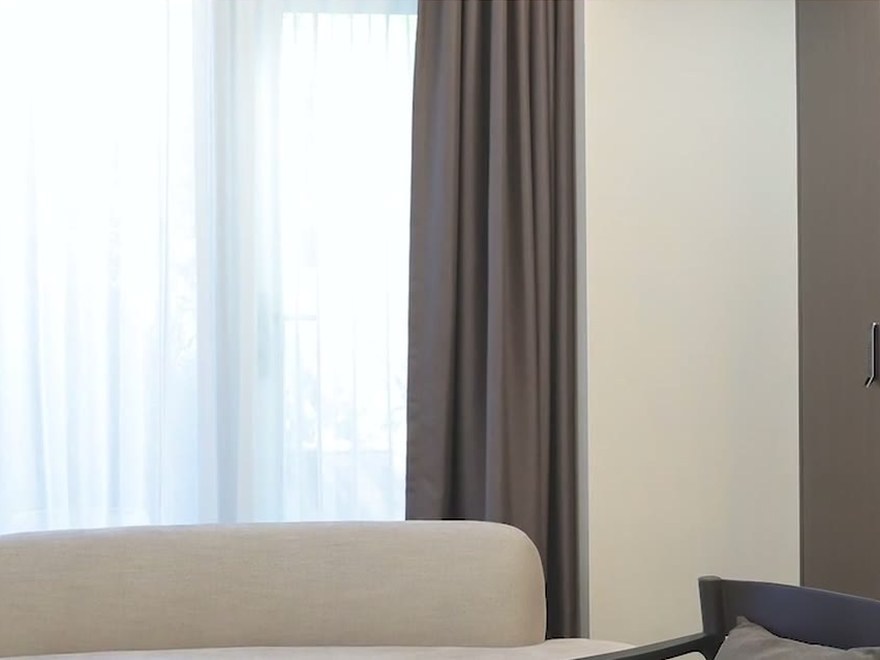
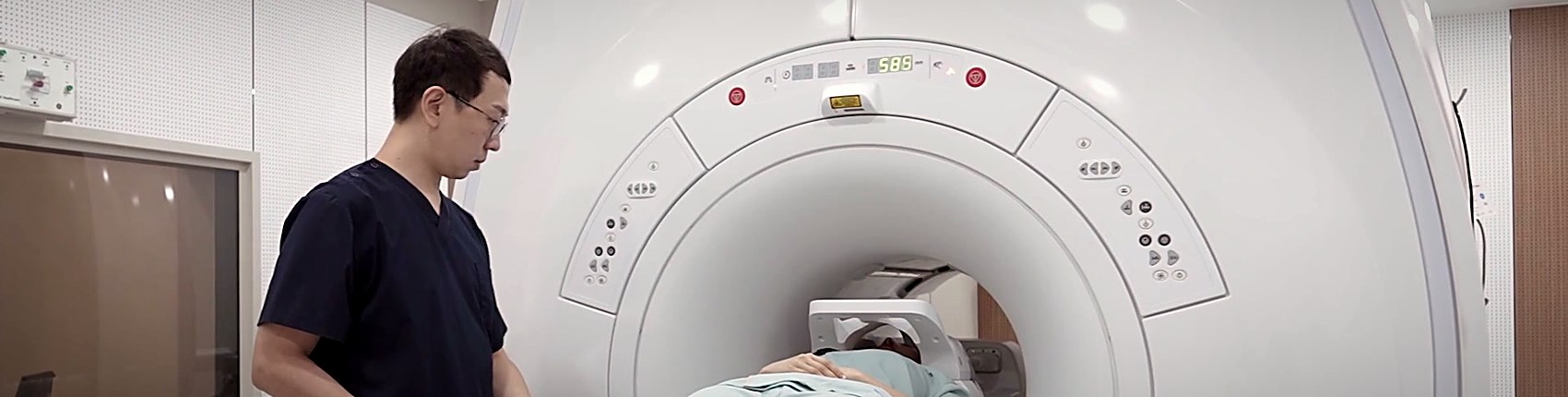
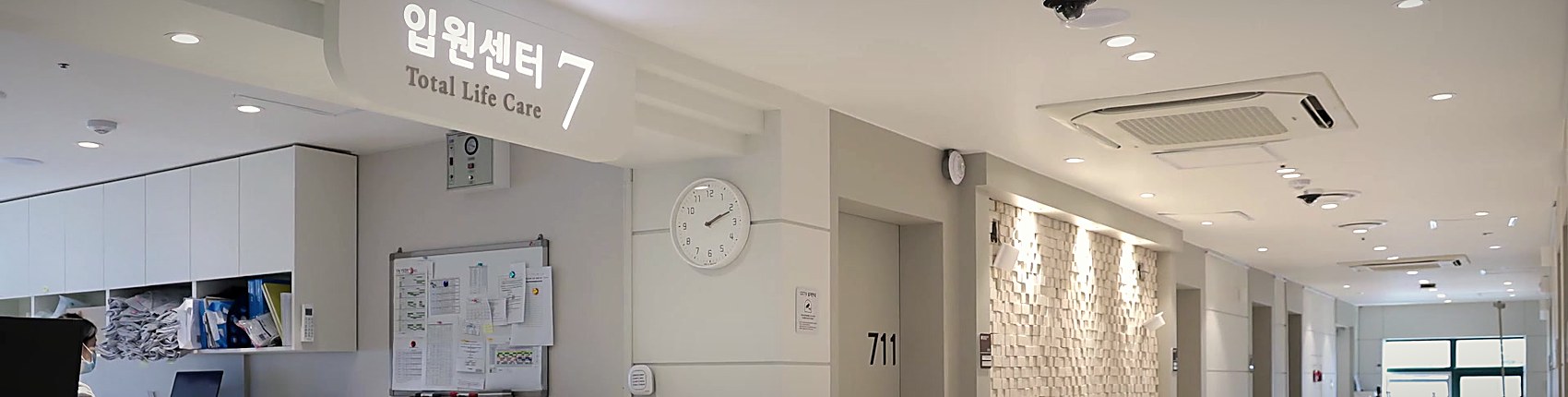
Treatment several times a day on the 7–8F wards. Western medical tests first rule out other causes.
The composition and duration may be adjusted to the individual after consultation. Non-covered items are included; details are provided at the time of reservation. Fees may vary with the test schedule and insurance coverage.
The first three days
determine the prognosis.
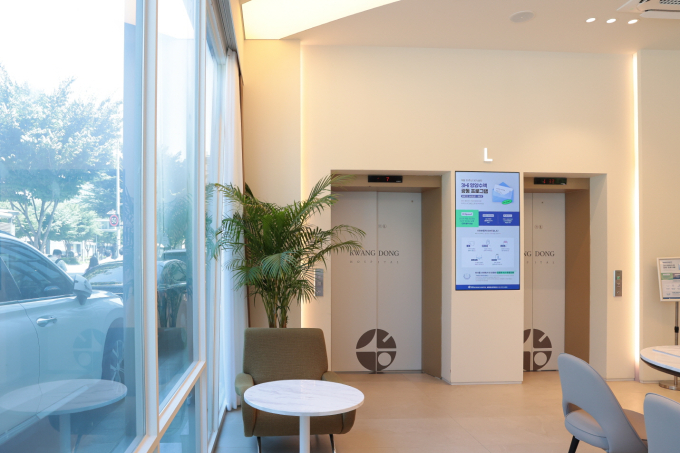
It all continues inside one building. You never leave for a test or a consultation.
Time of onset, degree of palsy and nerve damage are analyzed in detail.
Steroid injections run alongside acupuncture and pharmacopuncture.
Manual therapy and herbal medicine together support muscle function and reduce asymmetry.
Linked to programs for preventing after-effects and continuing care.
Remaining asymmetry and residual weakness are managed through ongoing rehabilitation.
From Kwangdong TV videos, press coverage and patient stories, we picked only those related to this program. Articles written by our doctors are in 05 Journal just below. Linked content is in Korean.
The patient describes, in their own words, the course of treatment at the Korean Medicine Center.
The same perspective applies to care after the acute phase.
This article explains why we treat it with admission rather than outpatient visits.
Coverage on the timing of early treatment.
All videos, press items and stories here are material Kwangdong Hospital has already made public, and titles, dates and sources are carried over as in the original. Linked content is in Korean.
In facial palsy, the first 72 hours after onset matter most. How this period is treated changes the speed of recovery and the after-effects.
“얼굴 한쪽이 마비되어 움직임이 부자연스러워지면서 눈과 입 등이 삐뚤어지는 증상을 안면마비(구안와사)라고 합니다.”
Read (Korean)→“갑작스럽게 안면마비가 발생하면 당황한 마음에 대개 큰 병원의 응급실을 먼저 찾곤 하십니다.”
Read (Korean)→“많은 분들이 안면마비라고 하면 자신과는 상관없는 일이라 생각하시지만, 의외로 임상에서 정말 자주 마주치는 질환 중 하나입니다.”
Read (Korean)→“얼굴이 어색하거나 마비된 듯한 느낌이 들 때, ‘그냥 좀 눌려서 그런가?’”
Read (Korean)→“고개가 자꾸 흔들린다는 말을 들으면 '내가 그런가?' 싶으면서도 걱정이 앞서실 텐데요.”
Read (Korean)→“컵을 들거나 글씨를 쓸 때 손이 떨리면 ‘긴장해서 그런가?’”
Read (Korean)→All articles here were published on the Kwangdong Hospital blog. Linked articles are in Korean.
Three days at the start,
and the prognosis is set.