
Step 01
Differential testing
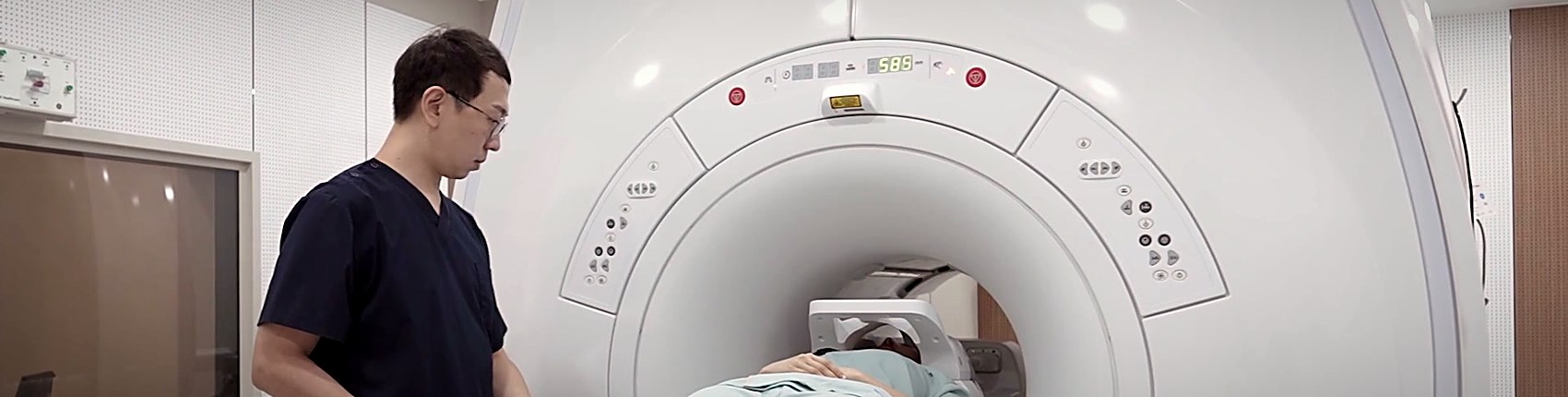
Test panel
- Vestibular function (VNG)
- Autonomic function (ANS)
- Balance and gait assessment
- Brain and cervical imaging (MRI · MRA)
- Full blood panel
- ECG
- Echocardiography
The word is always “dizzy,”
but what if the causes all differ?
BPPV, Ménière’s, tinnitus: as many causes as there are names. Four departments, Neurology, Rehabilitation Medicine, Korean Medicine and Internal Medicine, start by sorting out the cause.
Dizziness has many causes, and a single department can easily miss one. Four departments see you together.
The tests that find the cause and the exercise therapy that follows, bundled into one.
1–2 times a week · 4–8 weeks
Ask about this optionThe composition and duration may be adjusted to the individual after consultation. Non-covered items are included; details are provided at the time of reservation. Fees may vary with the test schedule and insurance coverage.
Not the symptom.
We treat the cause.
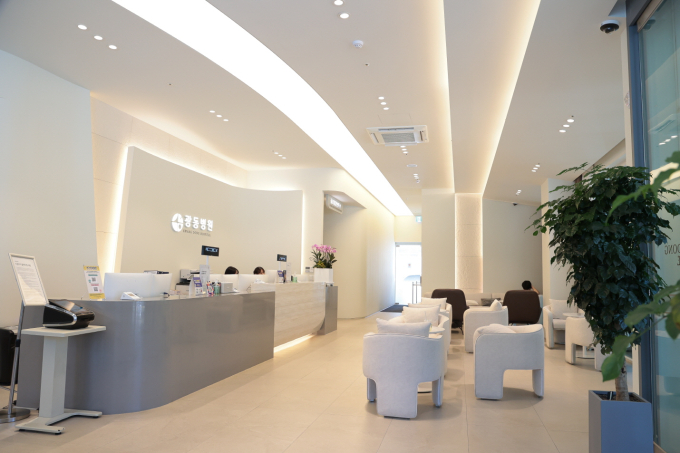
It all continues inside one building. You never leave for a test or a consultation.
We start by checking when it happens, in what position, and how long the spinning lasts.
VNG, ANS, balance, imaging, blood and heart. Only what is needed is chosen.
Neurology, Rehabilitation Medicine, Korean Medicine and Internal Medicine read the results together in one place.
Depending on the cause, treatment is chosen from repositioning maneuvers, medication, acupuncture, Chuna and pharmacopuncture, or medical correction.
On 5F, your sense of balance is retrained. VNG testing before and after rehabilitation shows the change.
From Kwangdong TV videos, press coverage and patient stories, we picked only those related to this program. Articles written by our doctors are in 05 Journal just below. Linked content is in Korean.
A classic example of causes that change with age.
Dizziness in special occupations, treated as its own subject.
What we look at next when every test comes back normal.
All videos, press items and stories here are material Kwangdong Hospital has already made public, and titles, dates and sources are carried over as in the original. Linked content is in Korean.
Articles in which four departments explain the causes of dizziness one by one.
“그동안 신경과의 원인 감별, 재활의학과의 전정재활 원리, 그리고 물리치료팀의 실전 훈련 과정을 함께 살펴보셨습니다.”
Read (Korean)→“어지럼증이 있을 때 “어지러운데 운동을 해도 되나요?”라는 질문을 받습니다.”
Read (Korean)→“약을 먹고 원인 치료를 마쳤는데도 어지럼증이 계속 남아 답답하셨던 분들이 많으실 겁니다.”
Read (Korean)→“"왜 자꾸 어지러운지 모르겠다"며 답답해하시는 분들이 많습니다.”
Read (Korean)→All articles here were published on the Kwangdong Hospital blog. Linked articles are in Korean.
Not the symptom,
but the cause.