Allergy test in Korea, from the antihistamine pause to the result: skin prick, MAST panels and what they can't tell you
An allergy test in Korea starts with your history, then a skin prick test, an IgE blood panel such as MAST, or both. Here is the order it runs in, why the antihistamine pause shapes your dates, and what a positive result does and does not mean.
Most people book an allergy test hoping for a list: these foods, these pollens, this animal. What comes back is a set of numbers and wheals that still needs a doctor to read against your history. If you are planning an allergy test in Korea, whether you live in Seoul or are fitting it into a visit, it helps to know that before you start counting days.
This guide follows the order things happen. First the questions, then the two main kinds of test, then the antihistamine pause that catches many travellers out, and finally what a result can and cannot tell you.
What does an allergy test in Korea actually involve?
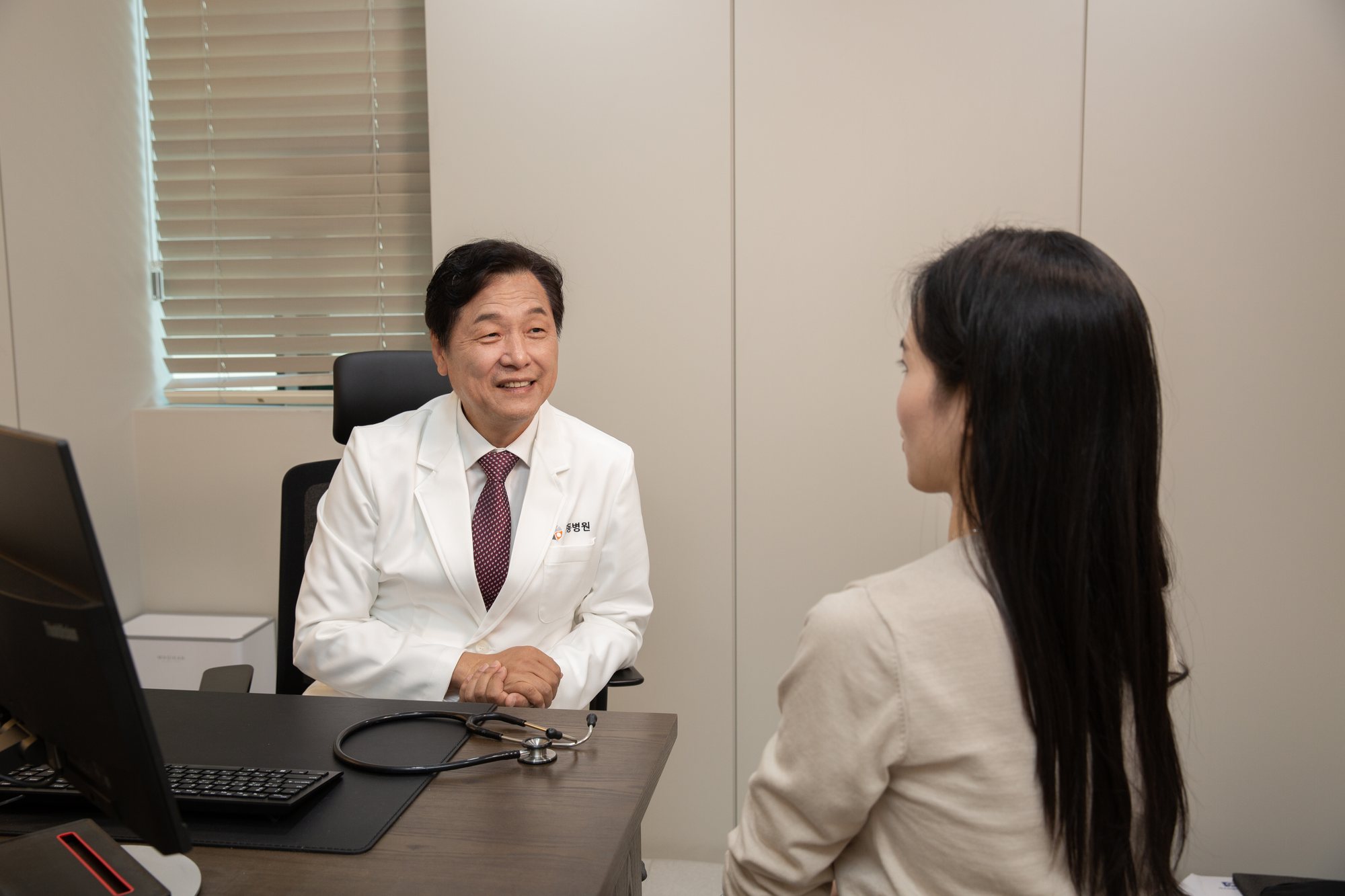
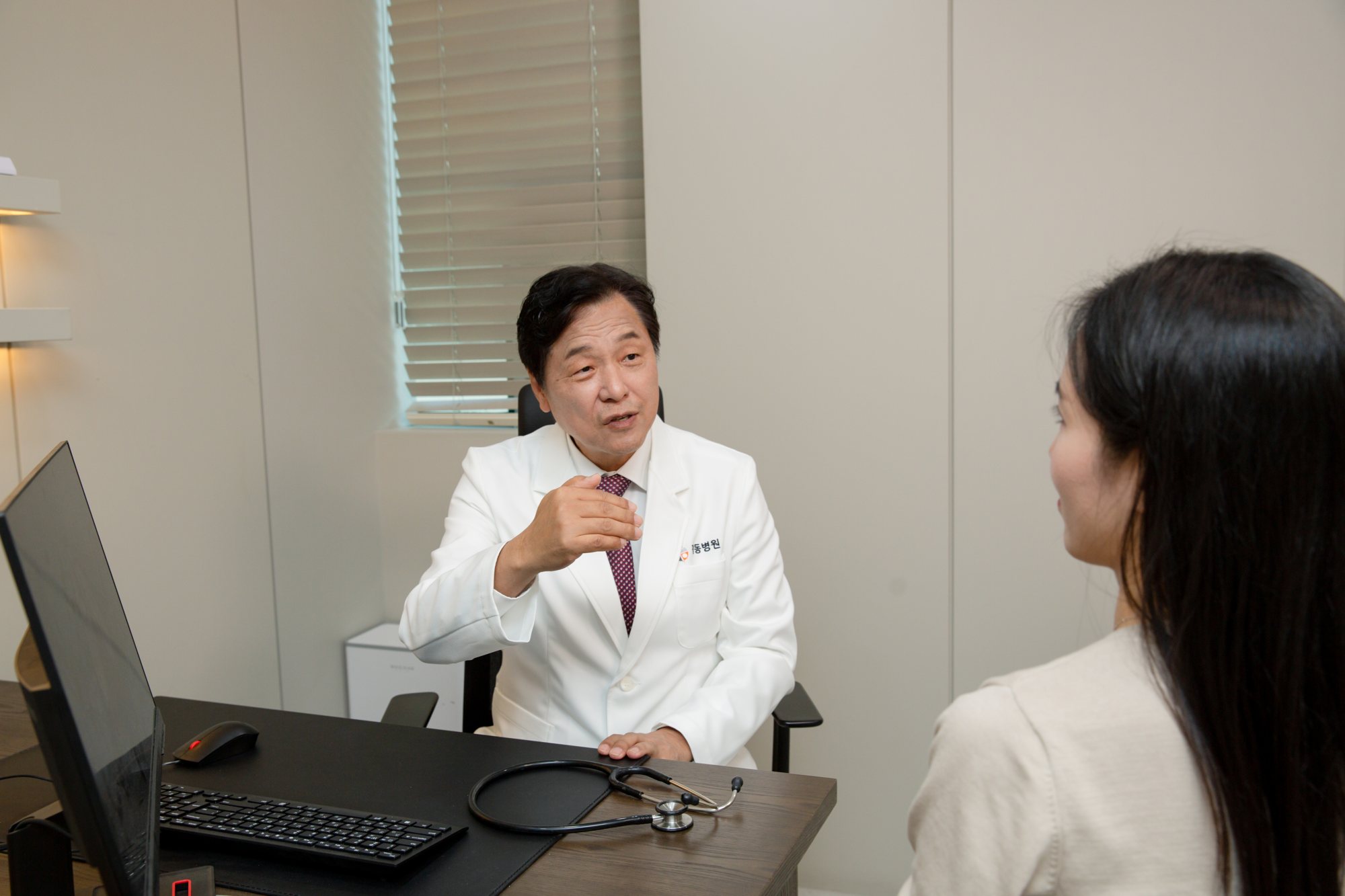
It starts with talking, not needles. The American Academy of Allergy, Asthma & Immunology (AAAAI) says an allergist first examines you and asks about your symptoms to decide whether testing is warranted, and that test results are read together with the physical exam and your medical history.
At Kwangdong Hospital, the Asthma & Allergy Center on 2F publishes the same order: history and exam first, then detailed tests, then a reading of the cause, then treatment and maintenance. The center states that it listens to symptoms first and selects only the items your symptoms call for.
For allergic rhinitis, the hospital's allergy department lists a check of your living environment, blood tests, skin prick tests and allergen provocation tests as the ways it identifies allergens. Lung function is assessed separately, so if a cough is part of the story, an allergy result does not stand in for a breathing test.
The center is led by Hospital Director Sang-Heon Cho, former Professor of Allergy at Seoul National University Hospital and former Chairman of the Korean Academy of Asthma, Allergy and Clinical Immunology.
Skin prick test or MAST blood panel?
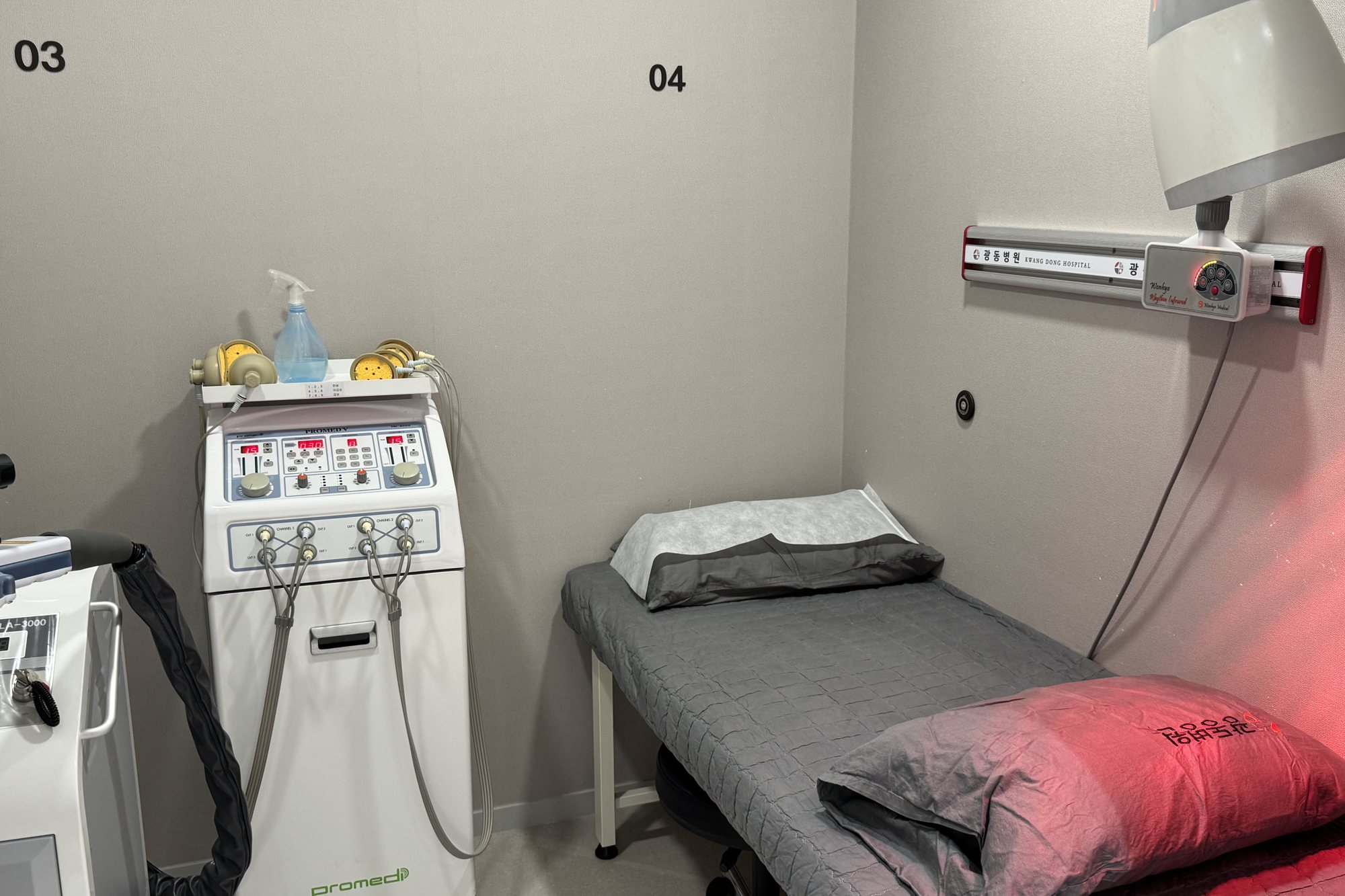
Korea uses both, and you will often hear the blood version called a MAST test. A MAST panel is a blood test that screens for allergy antibodies (specific IgE) to many allergens from one sample. Kwangdong's Premium Checkup, for example, has an Allergy and Respiratory module that lists a MAST panel of 108 allergens alongside lung function, exhaled nitric oxide, low-dose chest CT and sinus CT.
| Skin prick | Blood (MAST) | |
|---|---|---|
| How | Tiny skin prick | One blood draw |
| Result | About 20 min | Takes longer |
| Allergy pills | Usually paused | Ask first |
AAAAI describes the skin prick test as the most common type, with a small swelling like a mosquito bite appearing within about 20 minutes where you react. It notes that IgE blood tests are generally used when skin tests might be unsafe or won't work, for example because of certain medicines or a skin condition.
A blood panel suits people with widespread eczema, people who cannot pause antihistamines, and visitors with a tight schedule. A skin test gives a faster answer in the room. Which one, or both, is decided after the history, not from a menu.
Stopping antihistamines before an allergy test
This is the step that can wreck a trip plan. National Jewish Health states that all antihistamines will affect skin prick test results and need to be stopped before testing, and that some cold and flu medicines and sleep aids contain them. The same page notes that inhaled, nasal and oral steroids do not interfere with skin testing.
MedlinePlus says you may need to stop certain medicines such as antihistamines before an allergy blood test too, and adds an important line: don't stop taking any medicines unless your provider tells you to.
In practice, for a traveller:
- Send your medicine list before you book. Include tablets, nasal sprays, eye drops, sleep aids and anything bought over the counter in Korea.
- Get the pause instructions in writing from the clinic that will run the test. How many days depends on the medicine.
- Never stop an asthma inhaler on your own. Nor antidepressants or other prescribed medicines.
- Plan for symptoms during the pause. If you are visiting in pollen season, the days without an antihistamine can be uncomfortable. A blood test may be the more practical route.
Are IgE allergy tests accurate?
They are accurate at what they measure, which is sensitisation: your immune system has made IgE antibodies to something. Sensitisation is not the same as allergy. Plenty of people have a positive result to a food they eat every day without symptoms.
MedlinePlus says allergy blood tests may not always be accurate and can show an allergy when you don't have one, while a false negative is uncommon. AAAAI's position is that tests combined with a physical examination and history give precise information about what you are, and are not, allergic to. The history is what turns a number into a diagnosis.
So when you read a MAST printout, a high class next to a food you have eaten happily for years is a question for the doctor, not an instruction to stop eating it. The NHS advises not to cut foods out of your diet without speaking to a doctor first.
Food allergy test in Korea, and food intolerance tests
For a suspected food allergy, Kwangdong's allergy department lists a food diary, skin tests and serum (blood) tests as the ways it identifies the cause. The NHS describes the same toolkit, including a supervised diet in which a food is avoided or gradually reintroduced. When the answer really matters, a doctor may also use a food challenge, in which a small amount is eaten under observation. AAAAI stresses that challenges must be supervised by a physician with specialised training.
Food intolerance is a different thing. The NHS explains that intolerance causes symptoms such as bloating and tummy pain, usually a few hours after eating, without the immune reaction of an allergy.
IgG and IgG4 food panels measure a different antibody from the IgE tests above, and they answer a different question. AAAAI notes that IgG to foods is likely a normal response to eating them, and that allergy societies advise against using the food IgG test on its own to diagnose food allergy or intolerance. If you have IgG results from anywhere, bring them, and read them with a doctor alongside your symptoms rather than cutting foods on the numbers alone.
Fitting an allergy test into a trip
The test itself is short. The pause before it and the follow-up after it take the planning.
| When | What to do |
|---|---|
| Before booking | Send symptoms, medicines, old results |
| Days before | Pause antihistamines as told |
| Test day | Exam, then the chosen tests |
| Results | What you react to, next steps |
| Back home | Share the report with your doctor |
Two things are worth settling before you fly. First, ask how and when the results will be explained, since a blood panel takes longer than a skin test. Second, think about what happens next if a clear cause is found.
Allergy immunotherapy is the step that does not suit a short stay. At Kwangdong, when the causative allergen is clear, immunotherapy runs over 3 to 5 years, and the center explains the duration and the likelihood of response before starting. The department describes a build-up phase followed by maintenance visits every four weeks. For someone who lives abroad, that is a conversation about whether it can be continued at home, not something to start on a whim.
If a cough has lasted more than three weeks, the center checks lung function as well. Our earlier post on a normal asthma test with a cough that won't stop covers that side.
Allergy test Korea cost: why there is no number here
The cost depends on what is tested. A skin prick test, a MAST panel, a total IgE level, lung function tests or a full checkup module are different things, and the center chooses items after hearing your symptoms. That is why the cost is explained at the consultation rather than quoted in advance. If you plan to claim the cost back, check with your insurer before you book.
When not to wait for a test
An allergy test is for working out causes. It is not for a reaction happening now.
The NHS lists swelling of the lips, mouth, throat or tongue, fast breathing or struggling to breathe, a tight throat, blue or grey lips, and sudden confusion or drowsiness as signs of a serious allergic reaction. Use an adrenaline auto-injector if you have one and call emergency services. In Korea the number is 119.
If you have reacted badly to a food, a sting or a medicine before, tell the clinic when you book. It changes which tests are safe to run and where.
Planning the visit
Kwangdong Hospital is at 612 Bongeunsa-ro, Gangnam, one minute from Bongeunsa Station, Exit 5, near COEX. It is open weekdays 09:00 to 17:30 and Saturdays 09:00 to 13:30, and closed on Sundays and public holidays. Coordinators speak English, Japanese, Russian, Chinese and Mongolian.
More detail is on the Asthma & Allergy Center page and the Premium Checkup page, and directions are on the visit page. Send your symptoms, the medicines you take and your dates in Seoul, and a coordinator can tell you how long the antihistamine pause needs to be before you book a flight around it.
Frequently asked questions
How much does an allergy test cost in Korea?
It depends on which tests are chosen: a skin prick test, a MAST blood panel, lung function tests or a wider checkup module. At Kwangdong Hospital the items are selected after your symptoms are reviewed, so the cost is explained at the consultation.
Can I get a food allergy test in Korea?
Yes. Kwangdong Hospital's allergy department lists a food diary, skin tests and blood tests for finding the cause of a suspected food allergy. A positive blood or skin result still has to be read against what actually happens when you eat the food.
What is a MAST allergy test?
It is a blood panel that screens for allergy antibodies (specific IgE) to many allergens from one sample. Kwangdong's Premium Checkup lists a 108-allergen MAST panel in its Allergy and Respiratory module. It shows sensitisation, which a doctor interprets with your history.
Is there a food intolerance test in Korea that works?
IgG or IgG4 food panels are widely sold, but AAAAI states they have never been scientifically proven to diagnose food allergy or intolerance. A food and symptom diary, reviewed with a doctor, is a more reliable starting point. Do not cut out foods based on such a panel alone.
Are IgE allergy tests accurate?
They reliably show sensitisation, meaning your body has made IgE to something, but a positive result does not always mean you react in real life. MedlinePlus notes that false positives can happen, while false negatives are uncommon. That is why the result is interpreted together with your symptoms.
Sources
- Allergy Testing · American Academy of Allergy, Asthma & Immunology (AAAAI)
- The myth of IgG food panel testing · American Academy of Allergy, Asthma & Immunology (AAAAI)
- Allergy Blood Test · MedlinePlus, U.S. National Library of Medicine
- Allergy Prick Skin Testing · National Jewish Health
- Food allergy · NHS
Written with AI assistance from Kwangdong Hospital's published center and program information and the medical sources listed. Not yet reviewed by a physician.