IV drip in Seoul: what a vitamin drip can and can't do, who should get bloodwork first, and the risks worth knowing
An IV drip in Seoul can replace fluids or a measured deficiency, but good evidence for energy or immunity in healthy people is lacking. Here is what is in the bag, who should check bloodwork first, the risks, and what to ask before booking.

Search for an IV drip in Seoul and the threads split fast. One camp swears a vitamin drip fixed their jet lag and hangover in an hour. The other calls it an expensive bag of salt water. Both are describing the same thing from different ends, and neither tells you whether a drip makes sense for your body.
This post goes through what is usually in the bag, what the evidence supports, who should have bloodwork or a doctor's review first, the real risks, and what to ask before anyone puts a line in your arm, in Myeongdong, Gangnam or anywhere else.
IV drip in Seoul: what is actually in the bag?
An IV drip delivers fluid with vitamins and minerals straight into a vein. The MSD Manual describes the most widely known recipe, the Myers' cocktail, as high doses of B vitamins, vitamin C, magnesium and calcium in sterile water. It notes that any vitamin or mineral can be infused, and that a session typically takes 20 to 60 minutes.
In Korea you will see drips sold under many names: vitamin, immune, fatigue, glow, hangover. The name tells you little. The useful question is what is in it, at what dose, and who decided that dose for you.
What can an IV drip actually do, according to the evidence?
The evidence is strongest where something is missing. MSD notes that injections of individual vitamins or minerals are evidence-based treatment for people with a deficiency of those nutrients, and that some people cannot eat enough or absorb nutrients because of illness. IV fluids also restore fluid quickly when someone is dehydrated and cannot keep fluids down.
For healthy people the picture is thin. MSD states that very few studies have tested high-dose IV vitamin therapy in people without a deficiency, that the few studies done were small or showed no advantage over placebo, and that no published evidence shows it is effective for any serious illness or chronic disease. It also notes that, apart from occasional exceptions such as iron or vitamin B12, the diet remains the usual way to get the nutrients you need.
| Situation | What the evidence says |
|---|---|
| Proven deficiency (e.g. on a blood test) | Replacing the missing nutrient is standard care |
| Can't eat or keep fluids down | IV fluids restore fluid quickly |
| Mild dehydration, can drink | Drinking fluids is usually enough |
| "Energy", "immunity", "detox" in healthy people | Not shown in good-quality studies |
Hangover and jet lag: the usual Seoul reasons
Most people asking about a drip in Seoul have had a long flight or a long night. If you can drink, the NHS advice for dehydration is to drink fluids, start with small sips if you feel sick, and use oral rehydration solution from a pharmacist. Caffeine and alcohol make dehydration worse.
The feeling of relief after a drip is real for many people. Some of it is fluid, some of it is lying still for an hour. Whether the vitamins add anything for a healthy person is the part the evidence has not shown. If you are vomiting and cannot keep water down, or you feel faint or confused, that is a reason to see a doctor, not to book a drip lounge.
Who should check bloodwork or see a doctor first?
This is the section that matters most. MSD advises that people who are pregnant or breastfeeding, and people with kidney disease, high blood pressure or a heart condition, should avoid high-dose IV vitamin therapy. It also flags people taking certain medicines.
Other groups to know about:
- Kidney stones. The U.S. National Cancer Institute states that people likely to develop kidney stones should not be given IV vitamin C.
- G6PD deficiency. The same NCI page says people with this inherited condition should not receive high doses of vitamin C, because of the risk of red blood cells breaking down. MedlinePlus notes that many people with G6PD deficiency never have symptoms and do not know they have it. It is more common in people with roots in parts of Africa, Asia, the Mediterranean and the Middle East.
- Low or high magnesium or potassium, for example from kidney disease, diuretics or heavy drinking. MSD warns that magnesium-containing infusions can then cause abnormal heart rhythms or muscle weakness.
- Antibiotics and other medicines. MSD notes, for example, that the antibiotic ceftriaxone can bind with infused calcium. Bring your medicine list.
A blood test before a drip is the difference between treating a measured problem and guessing. Kidney function, electrolytes and, where relevant, vitamin levels or G6PD status tell a doctor whether a drip is reasonable and what should not go in it.
What are the risks of an IV drip?
Any needle in a vein carries some risk, and high doses add more. MSD lists light-headedness and fainting if an infusion runs too fast, fluid overload in people with heart conditions or high blood pressure, and reports of severe infections, including deaths, from improperly sterilised equipment. It adds that excess amounts of some vitamins can themselves be harmful, and that interactions depend on which nutrients and doses are used.
Most drips given properly to a suitable person pass without trouble. The serious problems cluster where nobody checked who was in the chair, what was in the bag, or how the line was prepared.
Medical clinic or beauty shop drip: what to ask
MSD advises that IV vitamin therapy given by untrained staff, as in some medical spas, should be avoided. Whoever you go to, these questions sort a careful service from a quick one:
- Who decides what goes in it? A doctor who has seen your history, or a menu choice at the front desk?
- Who puts in the line? A doctor or nurse?
- What exactly is in the bag, and at what dose? You should be able to get this in writing.
- Do you ask about pregnancy, kidneys, heart, medicines and G6PD? If nobody asks, that is your answer.
- What happens if I feel faint or react? Is a doctor on site?
Write down what you were given and the dose. If you feel unwell afterwards, it is the first thing a doctor will ask.
How IV nutrient therapy fits at Kwangdong Hospital
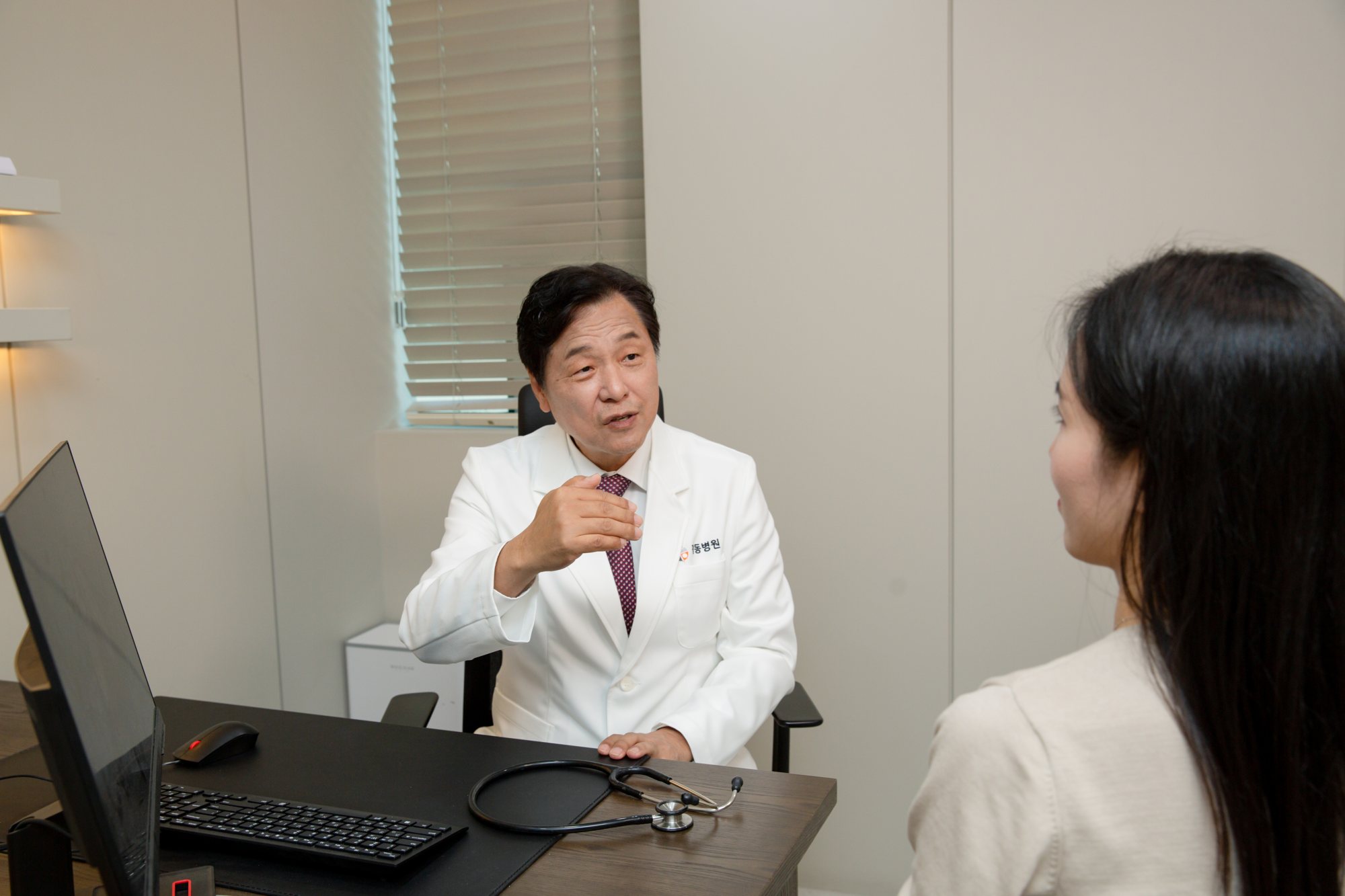
At Kwangdong, IV nutrient therapy sits inside the Anti-aging & Immunity Center on 2F, led by Center Director Dr. Jin-Yong Kim, a geriatric and functional medicine physician and former Director of the Geriatric Center at CHA Bundang Medical Center. The center's published order is detailed tests first (hormones, nutrient metabolism, immunity, oxidative stress), then one-on-one interpretation, then treatment combining cell therapy, injection therapy and nutritional prescriptions. Its FAQ says supplements are recommended only where test results call for them.
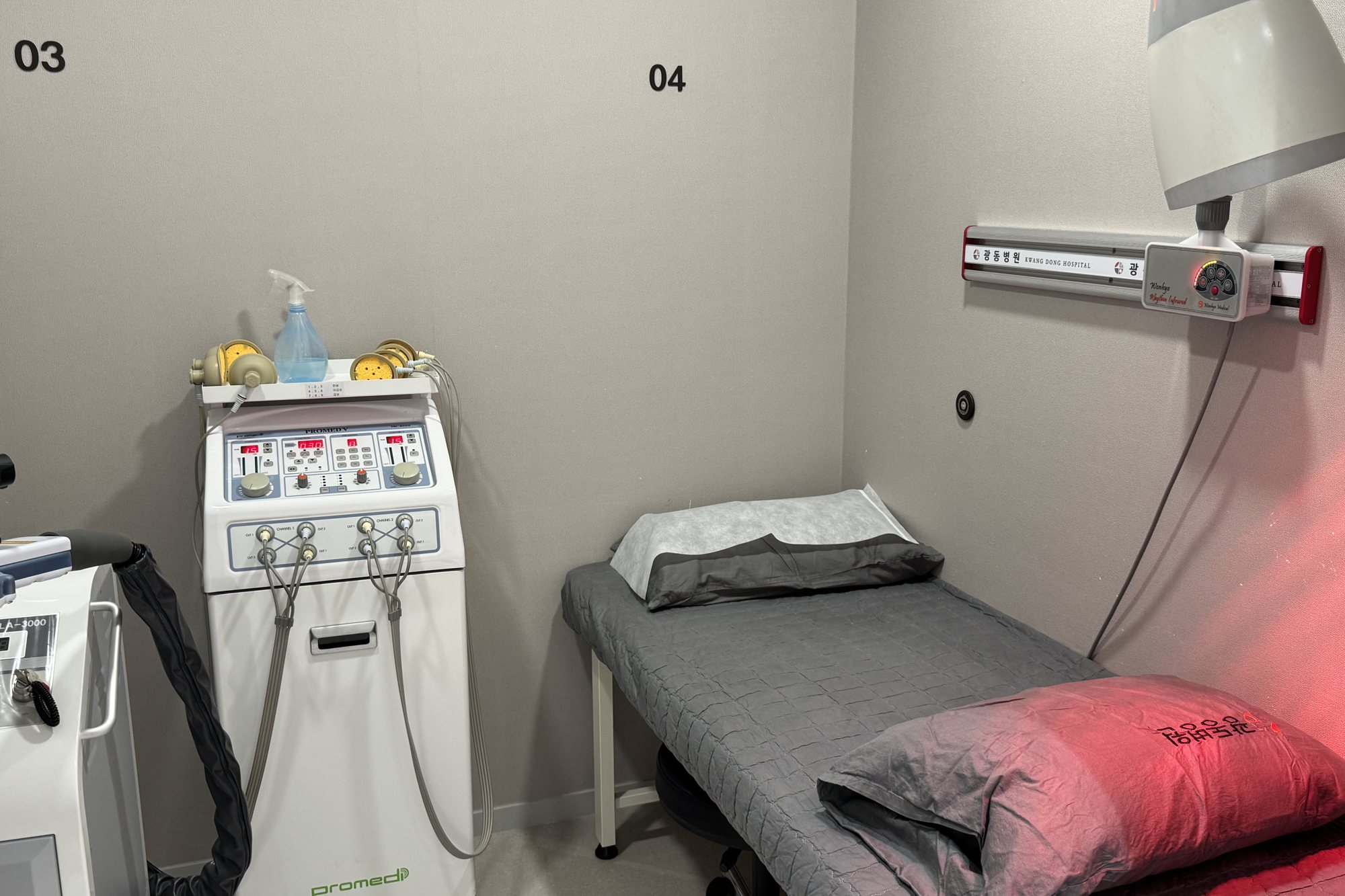
The hospital's functional medicine department lists selenium, Myers' and vitamin D among the IV and injection options it prescribes according to a patient's condition. For visitors, the One-Night option of the Global Premium Checkup includes recovery in your room with IV nutrient therapy after the tests. The Continuum Care option of the Premium Immune Checkup adds a three-session nutrition and IV program after the test results.
The hospital does not publish fixed drip recipes or session lengths in English. Those are set after consultation. If you want to understand the immune test terms first, our post on what an immune checkup measures explains the report.
IV drip Korea price: why there is no number here
The cost depends on what goes in the bag, whether blood tests come first, and whether the drip is part of a checkup program. The hospital's program pages say composition is adjusted to the individual after consultation and details are given at reservation, so cost is explained there.
Kwangdong Hospital is at 612 Bongeunsa-ro, Gangnam, one minute from Bongeunsa Station, Exit 5. It is open weekdays 09:00 to 17:30 and Saturdays 09:00 to 13:30, and closed on Sundays and public holidays. Coordinators speak English, Japanese, Russian, Chinese and Mongolian. More is on the Anti-aging & Immunity Center page and the visit page.
Frequently asked questions
Is an IV drip in Seoul worth it, as people on Reddit ask?
It depends on why you want it. For a measured deficiency, or if you cannot keep fluids down, there is a clear medical reason. For general energy or immunity in a healthy person, MSD Manual notes that good-quality evidence of benefit is lacking.
Does IV therapy in Seoul need a doctor?
It should involve one. MSD Manual advises avoiding IV vitamin therapy given by untrained staff. A doctor should ask about pregnancy, kidneys, heart, medicines and conditions such as G6PD deficiency first.
How long does an IV drip take in Korea?
MSD Manual puts a typical vitamin infusion at 20 to 60 minutes, depending on the volume and your veins. Add time for questions beforehand and a short rest afterwards. Kwangdong Hospital does not publish fixed session lengths; they are set after consultation.
Can I just walk into an IV drip place in Myeongdong?
Some places take walk-ins, but ask who decides the contents, who inserts the line, what dose you are getting and what happens if you feel faint. If no one asks about your health and medicines, consider going somewhere that does.
Will an IV drip fix a hangover or jet lag?
It can replace fluid, which helps if you are dehydrated. If you can drink, the NHS advises fluids and oral rehydration solution. There is no good evidence that added vitamins speed recovery in a healthy person.
Sources
- Intravenous Vitamin Therapy (Myers' Cocktail) · MSD Manual Consumer Version
- Intravenous Vitamin C (PDQ) - Patient Version · National Cancer Institute (NIH)
- Glucose-6-phosphate dehydrogenase deficiency · MedlinePlus Genetics, U.S. National Library of Medicine
- Dehydration · NHS
Written with AI assistance from Kwangdong Hospital's published center and program information and the medical sources listed. Not yet reviewed by a physician.